Meal Prep & Planning
How Long Do Leftovers Last? A Food Storage Safety Guide
By Sarah Mitchell · September 16, 2026 · 7 min read
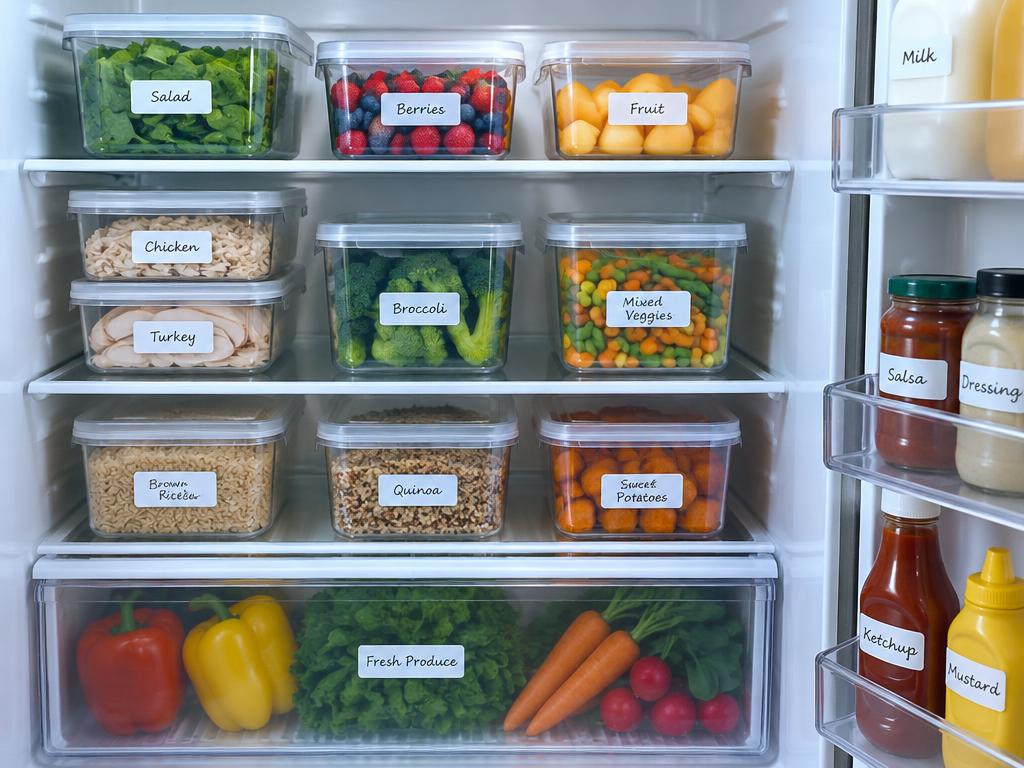
Meal prep only works if it's safe. Here's what food safety authorities recommend, in plain English.
The 2-hour rule
Refrigerate perishables within 2 hours (1 hour above 90°F), per FDA guidance.
Fridge storage times
Cooked meats and leftovers: 3–4 days. Cooked rice: 3–4 days. Soups: 3–4 days.
Freezer storage
Frozen food stays safe indefinitely at 0°F, but quality is best within 2–6 months.
Reheating
Reheat leftovers to 165°F (74°C) throughout.
When in doubt, throw it out
Smell isn't a reliable test — some harmful bacteria don't change odor.
Make refrigerator temperature a measured habit
A refrigerator dial is a control setting, not a temperature reading. Place an appliance thermometer where you can see it easily and verify that the refrigerator stays at 40°F (4°C) or below. Keep the freezer at 0°F (-18°C) or below. Check again after loading a large grocery haul, changing settings, or noticing that food seems unusually warm. Avoid packing shelves so tightly that cold air cannot circulate, and do not assume the door provides the same stable conditions as the interior shelves.
Store raw meat, poultry, and seafood in leakproof packaging or on a tray below ready-to-eat foods. A sealed leftover container should never be positioned where raw chicken liquid could drip onto its lid during retrieval. Keep milk, eggs, and other highly perishable foods in a reliably cold part of the refrigerator rather than treating the door as default storage. Use the door for items that tolerate its temperature fluctuations according to their package directions. Follow any more specific storage instructions printed on a product.
Check thermometer placement and appliance performance if food repeatedly freezes in one area while another stays warm. One reading immediately after the door opens may not describe normal operation, so allow the appliance to stabilize and consult its manual. Temperature control is the foundation beneath every storage timeline: three to four days for cooked leftovers assumes proper refrigeration, not an appliance hovering above the recommended limit. Dating containers cannot compensate for unreliable cold holding, and moving warm food into a colder refrigerator later does not undo unsafe time already spent at room temperature.
Cool large batches without waiting for room temperature
A deep pot of soup loses heat slowly at its center, even when the outside no longer feels especially hot. Divide large batches among smaller, shallow containers instead of putting the entire stockpot on a shelf. Large roasts or whole cooked poultry should be cut into smaller portions for faster cooling. Hot food can go directly into the refrigerator in these manageable portions. The common instruction to let everything reach room temperature first can create unnecessary time in conditions where bacteria grow readily.
For a large amount of soup, an ice-water bath can help remove heat quickly before or during portioning. Set the pot in a clean basin containing ice and water, keeping bath water out of the food, and stir with a clean utensil. Replace ice as it melts. Do not leave the pot unattended and assume the bath will remain cold indefinitely. Package the food and refrigerate promptly, within two hours of cooking, or within one hour when the surrounding temperature is above 90°F (32°C).
Plan cooling space before you start batch cooking. Clear a shelf, gather shallow containers, and avoid stacking a tower of hot, tightly packed dishes that traps heat. Protect food from contamination while it cools and follow USDA guidance on covering or loosely covering during cooling as appropriate. Once cold, close containers securely. If the refrigerator cannot accommodate the quantity safely, cook a smaller batch. A crowded kitchen schedule is not a reason to leave rice, beans, or meat on the counter for an extended cooling period.
Distinguish raw-food timelines from cooked-leftover timelines
The three-to-four-day leftover guideline does not apply to every food in its raw state. USDA guidance generally allows only one to two refrigerated days for raw poultry and ground meat, while raw beef, pork, lamb, and veal steaks, chops, and roasts generally have three to five days at 40°F (4°C) or below. If your cooking plans move beyond those windows, freeze the food promptly. Seafood has its own product-specific guidance; check an official cold-storage chart rather than borrowing the timing for a different protein.
Cooked meat dishes, casseroles, soups, and cooked rice generally fit the three-to-four-day refrigerated leftover window when handled correctly. Hard-cooked eggs are a useful exception: USDA lists one week refrigerated, and they should be refrigerated within two hours of cooking. An unopened commercial product may follow different instructions from a homemade dish, so check the package before assuming they share a timeline. Once ingredients are combined, use the shortest applicable storage period and preserve the date of the oldest cooked component.
Package dates require interpretation, too. Except for infant formula, dates such as best if used by generally address quality rather than serving as universal federal safety deadlines. That does not mean every dated food is safe indefinitely: storage instructions, time after opening, temperature, and handling still matter. Write an opening date on foods you use gradually, and consult product-specific guidance where needed. Keep a simple inventory visible so short-lived raw foods are cooked or frozen first rather than buried behind longer-lasting condiments.
Thaw frozen meals using a method that stays safe
The refrigerator is the easiest controlled setting for thawing most prepared meals. Put the frozen container on a tray if leakage is possible, and allow enough time for the center to soften. Small shallow portions thaw faster than deep blocks, while a large package may need more than a day. Food thawed in the refrigerator can generally be refrozen safely if it has stayed at a safe temperature, although texture may suffer. Do not interpret refreezing as a way to erase the refrigerated time a meal has already used.
For faster thawing, USDA permits cold-water thawing in leakproof packaging, with the food submerged in cold tap water and the water changed every thirty minutes. Cook food immediately after cold-water thawing; for a prepared meal, reheat it promptly. Microwave thawing is another option when followed immediately by cooking or reheating because some areas may become warm during defrosting. Countertop thawing and warm-water soaking are unsafe shortcuts: outer layers can warm into unsafe conditions while the center is still frozen solid.
Some leftovers can be reheated directly from frozen, including individual soups and casseroles, but they need additional time and temperature checks. Use a suitable pot, oven-safe dish, or microwave-safe container and follow appliance guidance. Stir soups and rearrange microwave portions so heat reaches the center. Bring soups, sauces, and gravies to a rolling boil when reheating, and verify leftovers reach 165°F (74°C). A frozen middle beneath a steaming surface is a warning that the meal needs more even heating, not evidence that the container is ready to serve.
Handle power outages and interrupted cold storage
Keep refrigerator and freezer doors closed during an outage. According to federal food-safety guidance, an unopened refrigerator generally keeps food cold for about four hours. A full unopened freezer generally maintains temperature for about forty-eight hours, while a half-full freezer generally provides about twenty-four hours. These are planning estimates, not guarantees for an appliance that was warm beforehand or opened repeatedly. Appliance thermometers and an available cooler with ice make decisions easier when power returns or an outage lasts longer than expected.
Perishable refrigerated foods held above 40°F (4°C) for more than two hours should be discarded. If you cannot establish that they stayed safely cold during a prolonged outage, use official outage discard guidance rather than tasting them. Frozen foods may be safely refrozen or cooked if they still contain ice crystals or are at 40°F (4°C) or below. Their texture can decline after thawing and refreezing, but quality changes are separate from the temperature-based safety decision. Check individual packages rather than assuming the whole freezer warmed uniformly.
Plan ahead with frozen gel packs, extra ice space, and a thermometer you can use in a cooler. Transfer perishable food before it becomes too warm, and maintain the cooler at 40°F (4°C) or below. The same principles apply to a broken refrigerator, a long drive, or a lunch left in a car. Outdoor winter weather is not a dependable substitute for refrigeration because sunlight, animals, and temperature changes create additional risks. When the history is unknown, do not serve questionable perishables merely because they now feel cold again.
Prevent contamination during serving, packing, and second helpings
Food can leave the kitchen safely cooked and become contaminated during serving. Use clean utensils for each dish, and do not return a spoon that touched raw meat to a finished sauce. Wash hands with soap and water for at least twenty seconds before preparing food and after handling raw animal foods. Clean surfaces and sanitize where appropriate after raw-food preparation, following the sanitizer label. Separate boards or a clear wash-and-sanitize sequence help keep salad ingredients away from raw poultry juices.
At a buffet, keep cold foods at 40°F (4°C) or below and hot foods at 140°F (60°C) or above. Use ice, suitable warming equipment, and a thermometer rather than relying on how the serving dish feels. Put out smaller amounts and replenish with fresh containers instead of continually topping off an old dish. When food is not maintained at safe holding temperatures, track its time out and refrigerate within two hours, or one hour above 90°F (32°C). A shaded table is not refrigeration.
For everyday leftovers, remove only the portion you intend to heat and leave the rest cold. Repeated warming and cooling adds handling opportunities and reduces quality, even when each step is managed correctly. Do not put food from individual used plates back into the main storage container. Label the remaining food with its original cooking date; reheating does not restart the refrigerator clock. If someone in the household is pregnant, older, very young, or immunocompromised, be especially careful about temperature control and follow any additional food-safety advice from their clinician.
Key Takeaways
- The 2-hour rule: Refrigerate perishables within 2 hours (1 hour above 90°F), per FDA guidance..
- Fridge storage times: Cooked meats and leftovers: 3–4 days.
- Freezer storage: Frozen food stays safe indefinitely at 0°F, but quality is best within 2–6 months..
FAQ
Can I put hot food straight in the fridge?
Yes — divide large batches into shallow containers so they cool quickly.
Found this helpful? Share it with a friend who loves to cook.
Tag us so we can see your creations.