Meal Prep & Planning
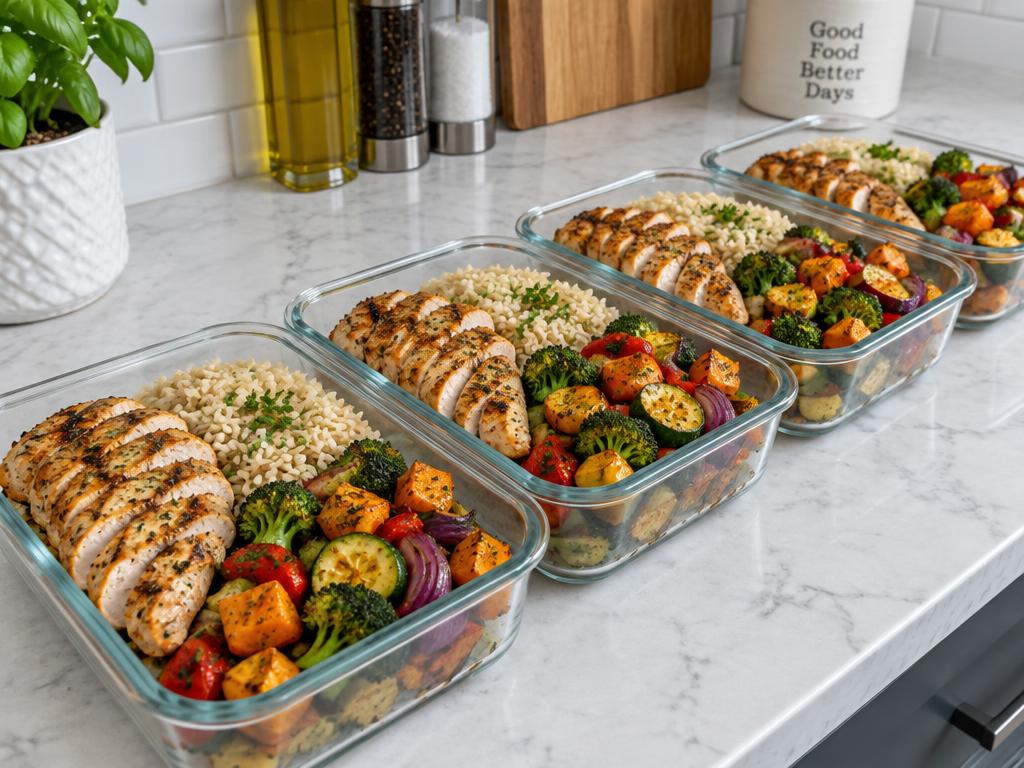
Chicken Meal Prep Bowls (5 Lunches in 1 Hour)
By Sarah Mitchell · October 3, 2026 · 7 min read
Jump to Recipe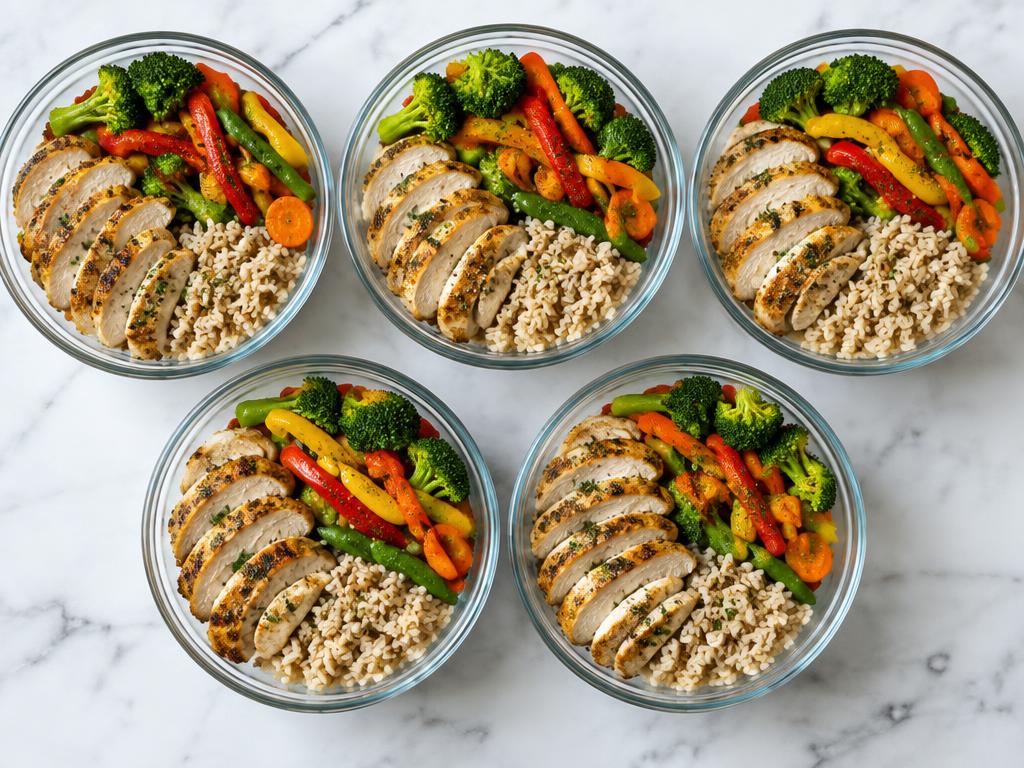
This is our most-made meal prep recipe because it's simple, balanced and reheats beautifully.
Why thighs or breasts?
Thighs stay juicier after reheating; breasts are leaner. Both work.
Three sauce ideas
Lemon-tahini, peanut-lime, or Greek yogurt-herb — store separately.
Reheating
Microwave 2 minutes with a damp paper towel over the top to keep the rice soft.
Make the five-lunch promise fit a safe calendar
Five containers do not mean five days of refrigerator storage. For a Sunday cooking session with lunches planned Monday through Friday, refrigerate the early-week bowls and freeze the Thursday and Friday portions promptly after dividing them into shallow containers. USDA recommends using refrigerated cooked leftovers within three to four days at 40°F (4°C) or below. Freezing later-week meals on preparation day avoids relying on a Friday lunch that has already spent too long in the refrigerator. Write the cooking date on every container before you put it away.
A practical arrangement is three chilled bowls and two frozen bowls, with any raw toppings stored separately. Move Thursday's bowl to the refrigerator Wednesday evening and Friday's bowl Thursday evening. Larger or deeper portions can require more than one night to thaw, so use shallow packaging and check progress. If a portion remains partly frozen, allow extra reheating time and verify the center reaches 165°F (74°C). Never leave a bowl on the counter all morning to speed thawing.
Treat transport as part of that calendar. Carry the meal in an insulated bag with at least two cold sources and put it in a refrigerator when you arrive. If lunchtime moves unexpectedly, keep the meal cold until you can eat. Do not assume a previously frozen bowl will remain safely cold for an entire workday without insulation. The objective is five dependable lunches, not five identical storage decisions; the freezer is what makes the full workweek practical.
Standardize chicken thickness before changing the seasoning
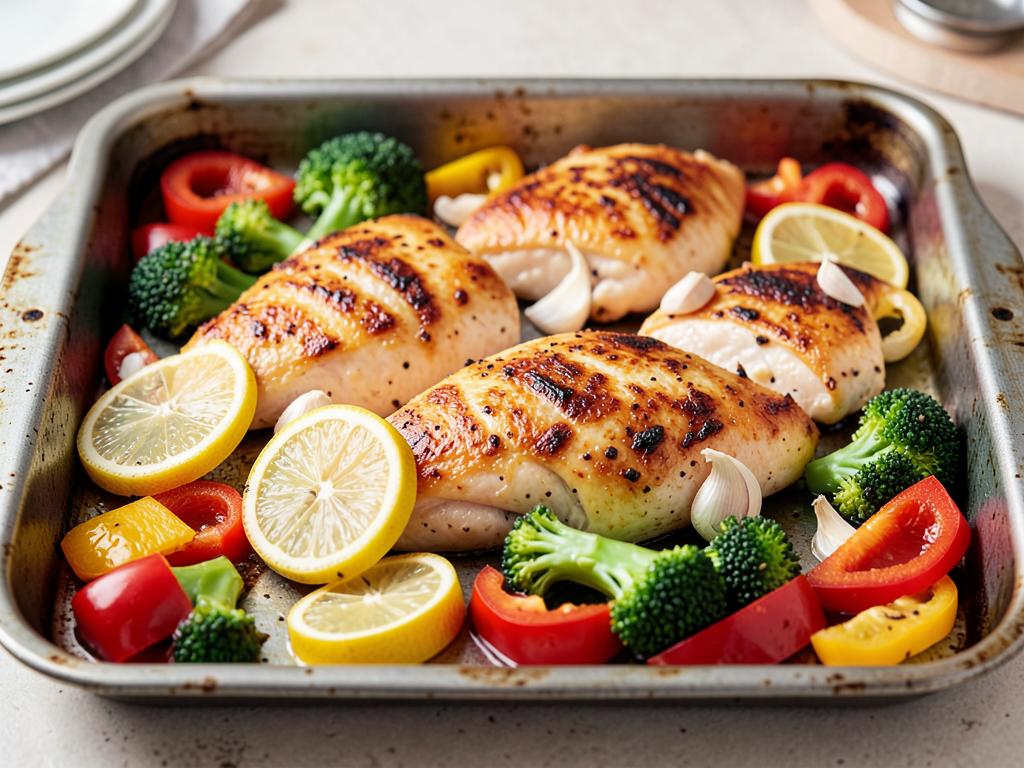
Uneven chicken pieces are a common reason one bowl contains dry meat while another contains chicken that needs more cooking. For breasts, trim as needed and gently pound thick areas to a more uniform thickness, or cut very large breasts into evenly sized cutlets. Do this on a dedicated board and clean and sanitize the work area afterward. Do not wash raw poultry. Thickness is a better predictor of cooking time than the number of pieces on the pan, and similar pieces are easier to check consistently.
At 425°F (218°C), start checking smaller boneless pieces before the recipe's suggested twenty-to-twenty-five-minute range ends; large pieces may need longer. Insert an instant-read thermometer sideways into the thickest area of a thin cutlet so the sensing tip reaches the center. Check more than one piece, especially if their sizes differ. All chicken needs to reach 165°F (74°C). Oven position, starting temperature, and crowding affect timing, so color or clear juices cannot replace a temperature reading.
For a different flavor profile, season one pan with cumin and oregano and another with ginger and garlic. Keep sugary glazes until late in cooking to reduce scorching, and never brush cooked meat with marinade that contacted raw chicken unless that marinade has been properly boiled first. Better yet, reserve a clean portion before marinating. Let cooked chicken rest briefly while you organize clean containers, then slice across the grain. Avoid leaving it out for a long cooling period just to obtain perfectly neat slices.
Manage rice texture from pot to freezer
Brown rice varieties absorb different amounts of water, so follow the package rather than treating one liquid ratio as universal. For the recipe's 1½ cups of dry rice, check the bag's weight and expected cooked yield if you are tracking portions. A covered rest after cooking helps moisture redistribute; fluff gently instead of stirring aggressively. If the rice is still hard and the pot is dry, add a small amount of hot water and continue covered over low heat, checking at short intervals rather than flooding the pot.
Portion cooked rice promptly into shallow containers. Do not leave a large pot on the stove until it reaches room temperature. Rice can support bacterial growth when held warm or at room temperature for too long, and reheating does not reliably fix food that was mishandled. Refrigerate within two hours, or one hour in surroundings above 90°F (32°C). Keep refrigerated rice within the same three-to-four-day leftover window as the chicken, and freeze later-week servings early in the process.
Rice often becomes firmer in the refrigerator because its starch structure changes as it cools. Add roughly a tablespoon of water to an individual portion before microwave heating, then cover with a vented microwave-safe lid. Stir halfway through so dry edges move toward the center. Frozen rice can reheat directly from frozen when heated thoroughly; separate compacted sections as they loosen. The finished rice and chicken must reach 165°F (74°C), including cold spots underneath the meat. Add more moisture gradually so the bowl becomes tender rather than soupy.
Roast vegetables for tomorrow's texture, not only today's
Broccoli and peppers do not lose moisture at exactly the same rate. Cut broccoli into evenly sized florets, peel and slice thick stems, and cut peppers into broad strips rather than tiny pieces that scorch before the broccoli softens. Dry washed produce thoroughly, then toss with enough oil to lightly coat. Arrange a single layer with visible gaps. If the vegetables cover every inch of the pan, use two pans or roast in batches instead of accepting a steamed, watery mixture.
At 425°F (218°C), check vegetables around fifteen minutes and continue until their texture suits your preference, turning when needed. The exact finish time varies with cut size and pan material. For reheated bowls, stop when broccoli is tender but still has some resistance rather than cooking it until completely soft. Do not undercook chicken to accommodate a vegetable schedule; separate pans allow you to remove each component when ready. Keep cooked vegetables away from raw chicken juices and utensils.
Swap vegetables according to how they behave, not simply by volume. Carrots need smaller cuts or an earlier start; zucchini releases more water and benefits from more pan space; frozen broccoli can roast without thawing but may need additional time for surface moisture to evaporate. Crisp cucumber, lettuce, and radishes belong in a separate chilled container and should be added after heating. If you freeze bowls, choose cooked vegetables whose softer thawed texture you enjoy, and leave watery raw toppings out until serving day.
Turn one batch into several genuinely different lunches
For a smoky bean bowl, pair the chicken and rice with drained black beans, roasted peppers, and a small container of tomato salsa. Add shredded cabbage after heating for crunch. For a ginger-sesame version, use broccoli, a little low-sodium soy sauce, rice vinegar, and sesame seeds, keeping the dressing separate until serving. For a warm Mediterranean-inspired plate, add chickpeas, parsley, and chopped tomato after heating. These combinations change the meal's acidity, texture, and supporting ingredients rather than merely giving the same sauce a different name.
Keep dressing quantities modest at first: one to two tablespoons per bowl is a useful starting point, with more available at the table. Strong sauces can overwhelm a full portion once mixed through hot rice. If using a store-bought sauce, check allergen information and sodium content on the actual bottle. Soy sauce commonly contains wheat; sesame, peanuts, and dairy are also relevant allergens in many popular bowl dressings. Use separate utensils and clearly marked containers when preparing food for someone with an allergy.
For a less expensive variation, replace part of the chicken with beans rather than making every bowl meat-heavy. If you are tracking protein or calories, recalculate from the actual quantities and product labels; the base recipe's estimates do not automatically apply after substitutions. You can also replace some rice with roasted potatoes, cooked barley, or extra vegetables. Barley contains gluten, while plain rice does not. Keep any newly cooked components on their own date labels until assembly so combining leftovers never conceals the age of the oldest ingredient.
Pack, heat, and troubleshoot an individual bowl
Choose a shallow container large enough that the food is not compressed into a dense mound. Place rice beside the chicken rather than burying it beneath a thick layer of meat. Cut very large chicken pieces into manageable slices after cooking, using a clean knife and board. Pack removable toppings in a separate cup, and label any container that must stay out of the microwave. A clear lid can make lunch identification easy, but microwave suitability depends on the manufacturer's instructions, not on appearance.
The original two-minute microwave suggestion should be treated only as a possible starting interval, not a reliable endpoint. Add a splash of water to the rice, cover loosely or vent as directed, heat, then stir and rearrange the food. Continue in shorter intervals until several spots, including the coolest center, reach 165°F (74°C). Follow any appliance standing-time instructions. If the chicken gets hot before the rice, move pieces apart and redistribute the grain so heat can reach the colder areas more evenly.
If the finished bowl seems dry, add a little warm broth after checking its temperature, then finish with dressing. If it is watery, identify whether the source was insufficiently drained beans, wet vegetables, or excessive reheating liquid. Adjust that component next time instead of cutting moisture from everything. Freeze future extra portions before they dry out in the refrigerator, and record which combinations thaw best. A bowl that reheats well is usually the result of deliberate portioning and moisture control, not a special container or an unusually complicated recipe.
Chicken Meal Prep Bowls (5 Lunches in 1 Hour)
Ingredients
- 2 lb (900g) chicken breast or thighs
- 1.5 cups brown rice (uncooked)
- 4 cups broccoli
- 2 bell peppers
- 2 tbsp olive oil
- 2 tsp smoked paprika
- 1 tsp garlic powder
- Salt and pepper
Instructions
- Cook rice according to package directions.
- Heat oven to 425°F; season chicken with paprika, garlic powder, salt and oil.
- Roast chicken and vegetables on separate pans for 20–25 minutes until chicken reaches 165°F.
- Cool 15 minutes, slice chicken, and divide everything among 5 containers.
- Refrigerate up to 4 days.
Nutrition (per serving, estimated)
Calories 450 · Protein 40g · Carbs 45g · Fat 12g
Nutrition estimated using USDA FoodData Central values; actual values vary by brand and portion.
Key Takeaways
- Why thighs or breasts?: Thighs stay juicier after reheating; breasts are leaner.
- Three sauce ideas: Lemon-tahini, peanut-lime, or Greek yogurt-herb — store separately..
- Reheating: Microwave 2 minutes with a damp paper towel over the top to keep the rice soft..
FAQ
Can I freeze these bowls?
Yes, without fresh vegetables; thaw overnight in the fridge.
Made this recipe? Rate it and share it on Pinterest!
Tag us so we can see your creations.