Meal Prep & Planning
High-Protein Meal Prep: 7 Ideas Over 30g Protein
By Sarah Mitchell · September 6, 2026 · 7 min read
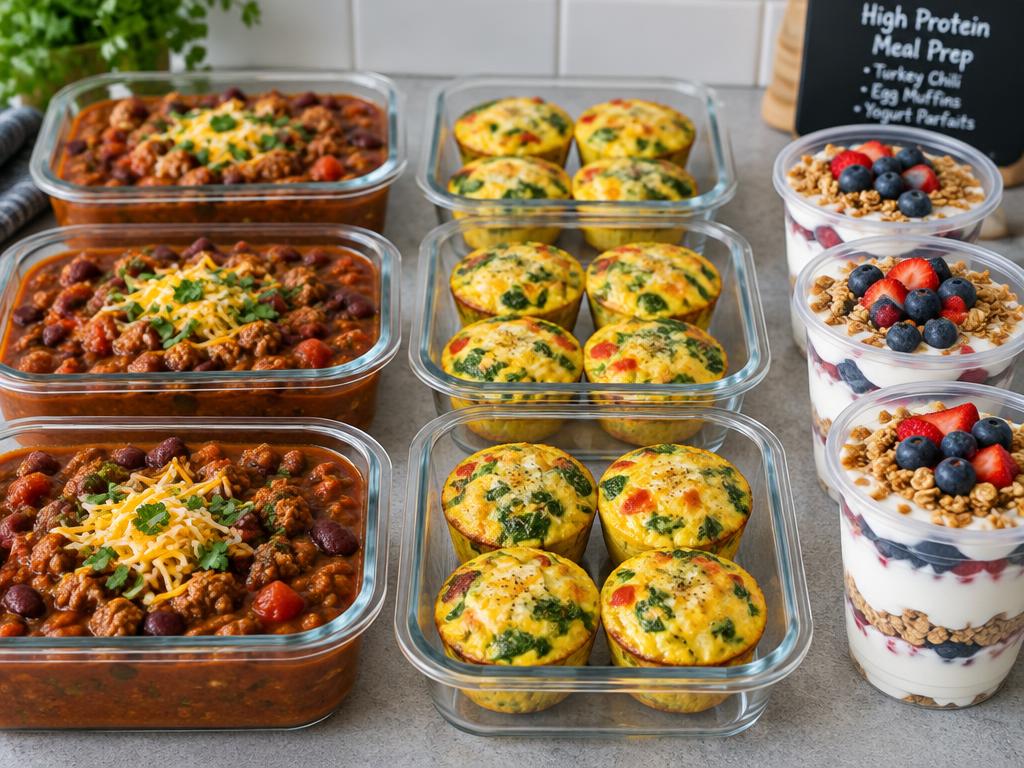
Protein keeps you full and supports muscle. These meals hit 30g+ per serving without protein powder.
Turkey and bean chili
About 35g protein per bowl and freezes beautifully.
Egg muffin cups
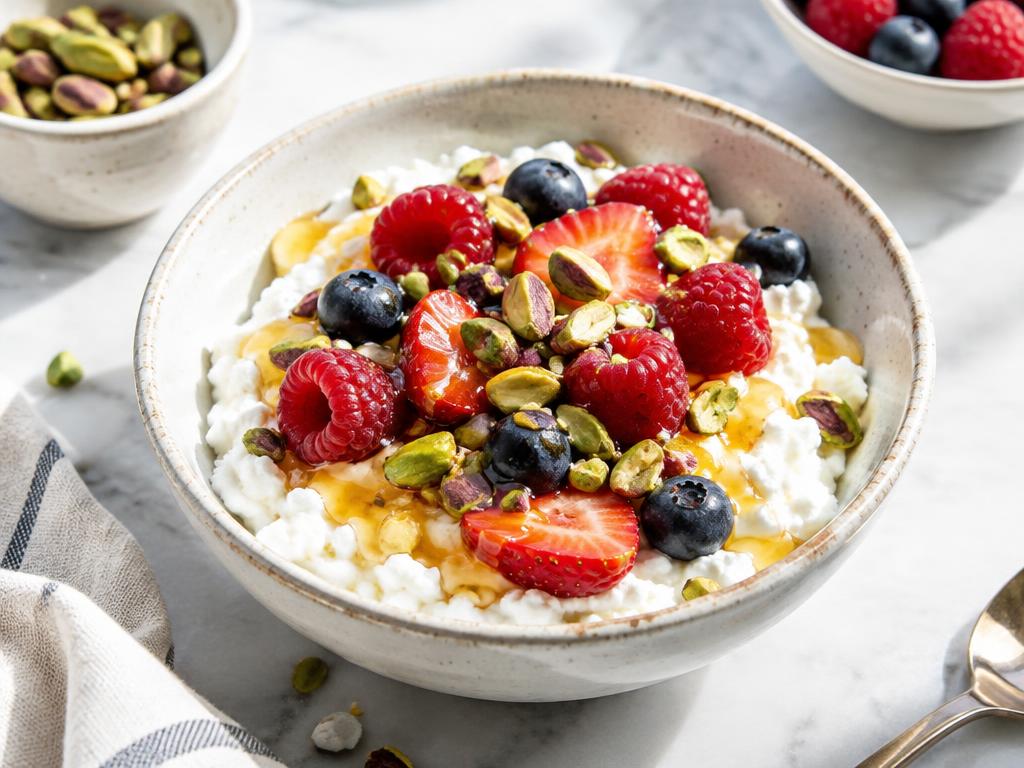
Two muffins plus cottage cheese reach 30g for breakfast.
Greek yogurt parfaits
1 cup Greek yogurt provides around 20–23g protein; add nuts and seeds.
Lentil and chicken curry
Combining sources boosts protein and fiber.
Calculate the portion before labeling a meal high protein
Use the actual ingredient label or a reliable entry in USDA FoodData Central to calculate protein, then divide by the number of portions you really make. A recipe containing 160 grams of protein provides about 40 grams in each of four equal servings, but only about 27 grams if stretched to six. Include contributions from beans, grains, dairy, and vegetables where relevant. Treat all totals as estimates because brands, drained weights, cooking losses, and portion sizes can vary substantially between kitchens.
Keep raw and cooked weights distinct. A 4-ounce (113 g) portion of cooked chicken is not interchangeable with 4 ounces of raw chicken because cooking removes water. Choose a database entry that matches the state you weighed. For canned foods, check whether the label refers to drained contents or the product as packaged. For powders, yogurt, tofu, and meat substitutes, use the specific product label when possible rather than assuming every product in the category has the same protein concentration.
A per-meal target can help organize recipes, but it should not replace individual nutrition advice. The adult protein RDA is 0.8 grams per kilogram of body weight per day; needs can differ with age, training, pregnancy, medical conditions, and other circumstances. Someone managing kidney disease or another condition should discuss targets with an appropriate clinician or registered dietitian. Build meals that also provide vegetables, carbohydrate, fats, and enough total energy. More protein is not automatically a better meal if the portion is unappealing or crowds out foods you need.
A salmon and edamame lunch with separate hot and cold parts
For an alternative to poultry, pair approximately 4 ounces (113 g) of cooked salmon with ¾ cup of shelled edamame, rice, and shredded cabbage. Depending on the salmon and edamame entries used, that pairing can provide roughly 35 to 40 grams of protein before smaller contributions from the grain. Verify the estimate with your actual portions. Buy frozen shelled edamame for easy measuring, and cook it according to the package instructions rather than assuming a thawed bag is ready to eat.
Roast salmon at 400°F (204°C), checking early because thin fillets cook much faster than thick center pieces. Finfish should reach 145°F (63°C). Let the thermometer, not an exact oven time, determine doneness. Prepare the edamame while the fish cooks, then portion both promptly into shallow containers and refrigerate within two hours, or one hour if the surroundings exceed 90°F (32°C). Keep the cabbage and a rice-vinegar dressing separate so they stay crisp and do not absorb fish juices during storage.
Eat refrigerated cooked fish meals within the standard three-to-four-day leftover window, and consider scheduling them early in the week for better quality. Reheat leftovers to 165°F (74°C), using gentle intervals to avoid drying the fish, then add the cold toppings. If you prefer a cold fish bowl, keep it safely refrigerated and cold during transport. For a lower-cost version, use canned salmon and follow its package guidance after opening; recalculate portions and protein instead of assuming the substitution is identical by volume.
Make tofu and edamame bowls substantial without meat
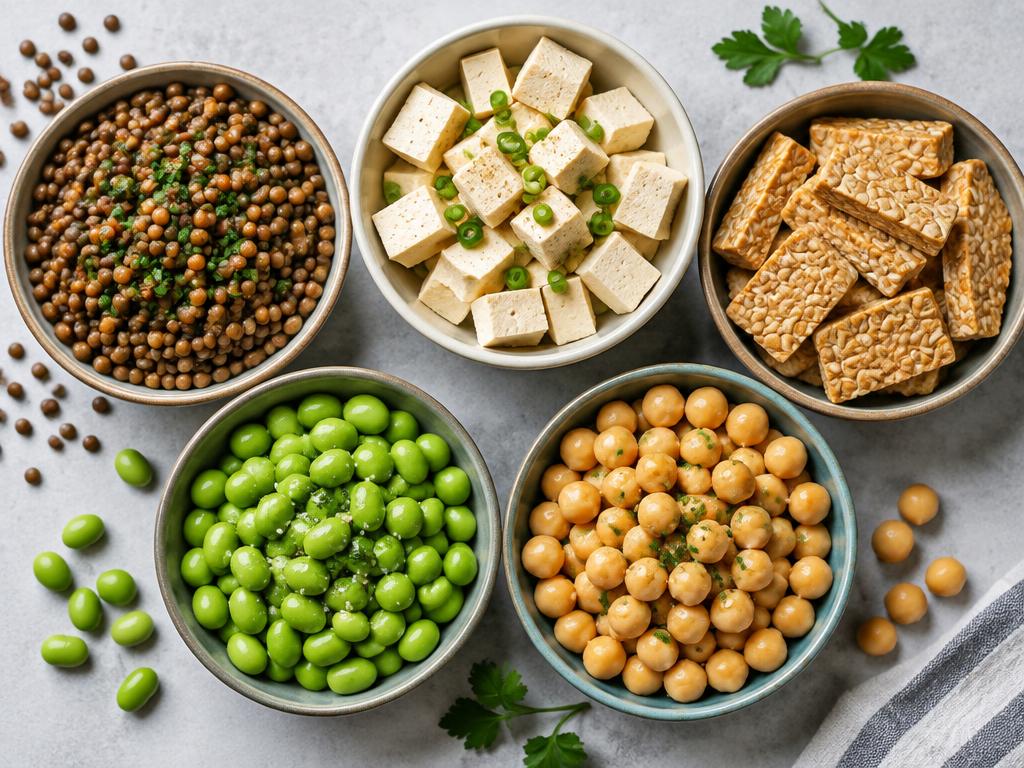
Tofu varies widely in protein concentration, so build this bowl from the label upward. A portion of firm or extra-firm tofu weighing about 7 ounces (200 g), combined with ½ to ¾ cup of cooked shelled edamame, can exceed 30 grams of protein with many brands, but not every product. Silken tofu generally supplies a different texture and may have less protein per ounce. Check the numbers before dividing a package among several lunches and expecting each one to meet the same target.
Drain tofu and press it gently if desired for a firmer roasted texture. Cut into even cubes, pat dry, and toss with a little oil and seasonings. Roast on a lined pan at 425°F (218°C), turning when the undersides are browned; start checking around twenty minutes and continue according to texture and cube size. Cook edamame according to its package, and add rice or another grain plus roasted vegetables. Keep soy-based dressing separate until serving so the tofu surface does not immediately become saturated.
Soy foods still need careful storage. Portion the cooked meal into shallow containers, refrigerate promptly at 40°F (4°C) or below, and use within three to four days. Freeze later portions early; tofu can become chewier after freezing, which some people enjoy. Reheat leftovers to 165°F (74°C). For a gluten-free meal, verify the tofu preparation, dressing, and grain rather than assuming all soy-based sauces are gluten-free. A wheat-free sauce may work, but read the label and address cross-contact where allergies or celiac disease are involved.
Prepare a beef and lentil skillet with balanced portions
Combining lean ground beef with lentils spreads the meat across more servings while adding fiber and a different texture. For four portions, begin with 1 pound (454 g) of ground beef and around 2 cups of cooked lentils, plus onions, crushed tomatoes, and vegetables. Depending on the beef and cooked yield, this can land near or above 30 grams of protein per serving; calculate with the actual package and lentil quantity. If the batch falls short, enlarge the lentil portion or serve an appropriate protein-containing side.
Brown the beef in a wide skillet, breaking it into small pieces so it cooks evenly, and verify that ground beef reaches 160°F (71°C). Add cooked lentils and tomatoes, then simmer until the flavors combine and excess liquid reduces. If using dry lentils, cook them separately according to their instructions or account for the required liquid and timing in a tested recipe. Acidic tomato mixtures can slow softening, so adding already tender lentils is an easier route for a predictable meal-prep session.
Serve the mixture over potatoes, rice, or whole-grain pasta and include a vegetable rather than treating the skillet as the entire nutrition plan. Cool in shallow containers and refrigerate promptly. Freeze portions intended beyond three to four refrigerated days, and reheat leftovers to 165°F (74°C). Change the finishing flavors with cumin and lime, smoked paprika, or basil and black pepper. Add cheese only after measuring the portion if you are tracking totals; toppings can change calories, sodium, and fat more quickly than they change the apparent size of the meal.
Coordinate a midweek protein rotation instead of seven stored dinners
Seven ideas should form a rotation, not seven cooked meals waiting a full week in the refrigerator. Choose two recipes for Sunday, one short midweek preparation, and frozen portions for any remaining gaps. For example, prepare tofu bowls and a beef-lentil skillet on Sunday, refrigerating early servings and freezing the later ones promptly. Cook fish on Wednesday if that fits your schedule. Keep raw fish or poultry within its recommended refrigerated storage period, or buy frozen and thaw safely shortly before cooking.
Set up a clear work sequence. Wash and chop produce first, measure grains, and assemble cold accompaniments before handling raw meat or fish. Use separate equipment where practical, or wash and sanitize thoroughly between tasks. Start the longest-cooking component first and portion finished food as it becomes ready instead of leaving everything on the counter until the last pan is done. Cook poultry to 165°F (74°C), ground beef to 160°F (71°C), and fish to 145°F (63°C), checking with a thermometer.
For breakfast and snacks, use package labels to build portions rather than assuming one egg, a handful of nuts, or a small yogurt automatically supplies a full meal's protein. Nuts can contribute flavor and texture, but a generous portion also adds substantial energy. Pair foods you actually enjoy and keep crunchy toppings separate from wet ingredients. If preparing dairy-based cups, refrigerate them promptly and follow the shortest relevant ingredient or leftover storage guidance. Keep an insulated lunch bag with at least two cold sources ready for meals that leave home.
Control costs and avoid the dry, oversized meal trap
Compare protein foods by both serving cost and the protein supplied in that serving. A cheap package may not be economical if the amount needed for your target is much larger than expected. Lentils, beans, eggs, tofu, canned fish, and frozen poultry can all be useful, but local prices and label values determine which works best. Avoid buying expensive specialty snacks simply because their packaging emphasizes protein. A familiar meal with beans or a sensible dairy side may supply what you need at a lower price.
If portions feel too large, distribute protein across meals rather than forcing an enormous dinner. Consider texture and moisture as carefully as totals. Add broth or tomato sauce to a lean meat skillet, keep a dressing separate for bowls, and avoid cooking already lean poultry beyond its required safe endpoint. Reheat only the portion you intend to eat, checking for 165°F (74°C) throughout. A measured splash of water and a vented cover can improve grains without turning the whole meal into a wet mixture.
Watch for substitutions that solve one problem while creating another. Replacing all grains with extra meat may remove a useful energy source; replacing every sauce with dry seasoning may make the food difficult to enjoy after reheating. Keep vegetables, carbohydrates, and fats in the plan, and adjust portions to your needs rather than copying someone else's macros. Review what you actually ate after the first week. The most effective protein-focused preparation is a sustainable pattern of safe, satisfying meals, not a refrigerator full of mathematically impressive containers you do not want to finish.
Key Takeaways
- Turkey and bean chili: About 35g protein per bowl and freezes beautifully..
- Egg muffin cups: Two muffins plus cottage cheese reach 30g for breakfast..
- Greek yogurt parfaits: 1 cup Greek yogurt provides around 20–23g protein; add nuts and seeds..
FAQ
How much protein do I need?
The RDA is 0.8g per kg of body weight; active people may need more. Consult a professional for personal advice.
Found this helpful? Share it with a friend who loves to cook.
Tag us so we can see your creations.