Healthy & Special Diets
Best Vegan Protein Sources (With Recipes and Grams per Serving)
By Sarah Mitchell · September 14, 2026 · 8 min read
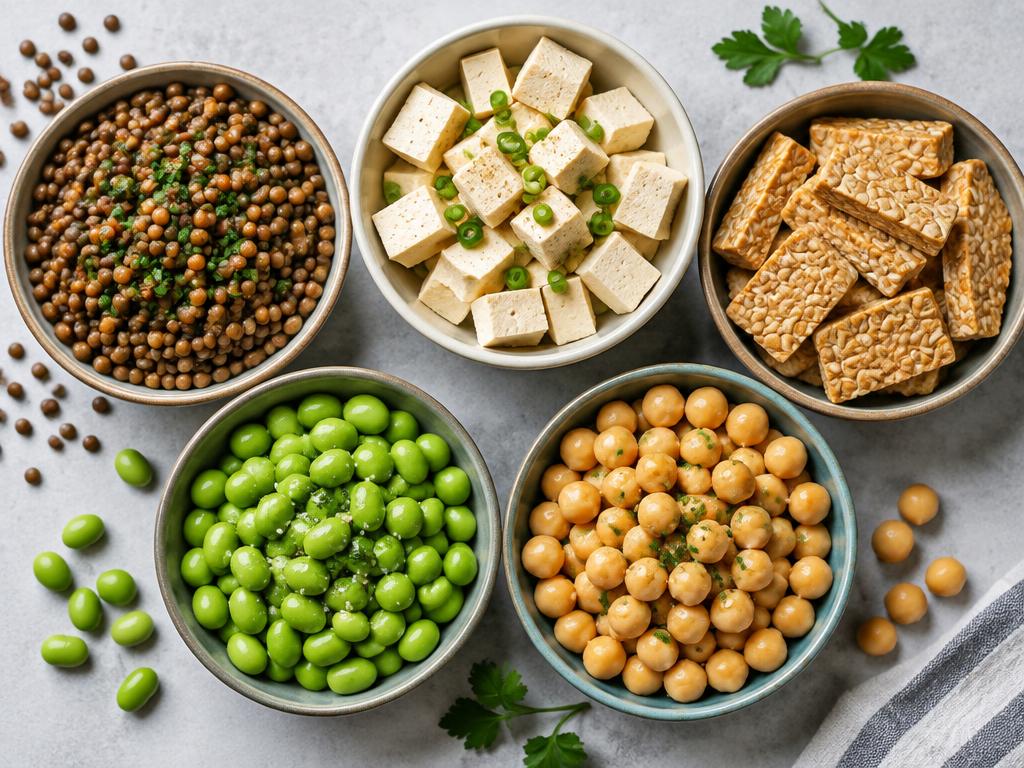
Getting enough protein on a plant-based diet is easier than many people think, especially with these staples.
Lentils
About 18g protein per cooked cup (USDA). Red lentils cook in 15 minutes.
Tofu and tempeh
Firm tofu has around 20g per cup; tempeh about 31g. Press tofu for crispier results.
Edamame
Roughly 18g per cooked cup — a great snack.
Seitan
Made from wheat gluten, around 21g per 3 oz. Not for gluten-free diets.
Combine sources
Eating a variety through the day supplies all essential amino acids.
Turn Protein Numbers Into Realistic Meal Decisions
Protein needs vary with body size, age, activity, pregnancy, and health status. For generally healthy adults, the standard reference intake of 0.8 gram per kilogram of body weight per day is a starting point, not a universal target for every situation. Older adults and people doing substantial training may need individualized advice. If you have kidney disease or another condition affecting nutrition, discuss an appropriate intake with your healthcare team before deliberately increasing it.
Translate a goal into ordinary meals rather than trying to solve everything at dinner. A breakfast built around soy yogurt, a lunch containing beans, and a dinner with tofu offer several opportunities to contribute protein. The amount in each meal need not be identical. Someone with a small appetite may find smaller meals and snacks easier than one large plate. Adequate overall energy matters too; simply adding a protein supplement cannot compensate for consistently eating too little food.
Use protein numbers as estimates and compare like with like. Dry lentils, cooked lentils, and canned lentils drained of their liquid have different values per cup or per hundred grams. Tofu varies especially widely in water content, so the package label is more useful than assuming every block matches a single reference number. Note the portion you actually eat, not just the portion shown in a chart, and allow room for variation rather than treating every meal as a precision calculation.
Read Plant-Based Labels Beyond the Front of the Package
Products labeled plant-based can range from substantial protein foods to mostly starch or oil. A vegetable patty made largely from potatoes may be tasty without providing much protein, while a soy-based patty may supply considerably more. Compare protein per serving and the serving's size. Then look at sodium, saturated fat, and ingredients so you understand what role the food can realistically play in a balanced meal rather than choosing by the marketing language alone.
Plant milks are another category with large differences. Unsweetened soy milk and some pea-based milks often contain more protein than almond, rice, or coconut beverages, but formulations vary. Check the label for protein and for fortification with calcium, vitamin D, and vitamin B12. A beverage that tastes good in coffee may not be an equivalent nutritional replacement for milk in the rest of your diet, especially if you drink it frequently or depend on it at breakfast.
Convenience foods are not automatically poor choices. A frozen bean burger, canned chili, or refrigerated meat alternative can be useful when time is short. Compare similar products rather than expecting every prepared food to resemble a plain bag of beans. For allergies, read the full ingredient and allergen statements each time because recipes change. Soy, wheat, sesame, and nuts can appear in unexpected sauces and seasonings, including products that otherwise seem suitable for a vegan eating pattern.
Make Bean Meals Appealing Without Repeating the Same Bowl
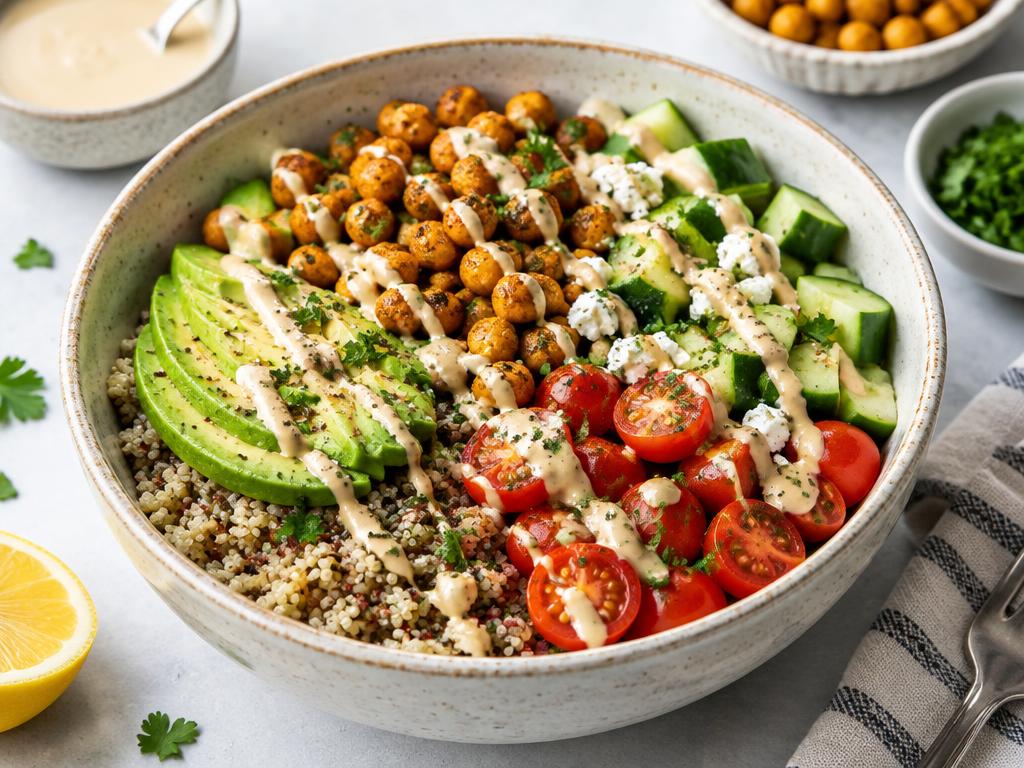
For a chunky sandwich filling, mash drained chickpeas with chopped celery, mustard, lemon juice, and a little tahini or vegan mayonnaise. Leave some beans intact for texture. Spread it onto bread and add shredded cabbage or lettuce just before eating. If you need a sesame-free version, skip tahini and use a safe alternative. The sandwich provides a different experience from a warm bean dish while relying on inexpensive, easy-to-store ingredients you can keep on hand.
For dinner, simmer white beans with crushed tomatoes, fennel seed, and chopped kale until the greens are tender. Serve with bread, potatoes, or another starch according to appetite. To change the texture, puree a small portion of the beans with cooking liquid and stir it back into the pot. This thickens the stew without making the whole meal smooth, and it avoids depending on a large amount of added oil for body.
Canned beans make both meals faster. Drain and rinse when useful, and compare sodium on labels. If cooking dried kidney beans, follow reliable preparation instructions, including proper boiling; do not assume a slow cooker alone safely handles raw kidney beans. Freeze cooked beans in meal-sized portions with a little cooking liquid. Label them clearly so you can thaw only what you need. For people adjusting to more legumes, smaller servings increased gradually may be more comfortable than starting with a very large bowl.
Match Soy Texture to the Dish You Want
Silken tofu is useful when you want smoothness rather than a crisp exterior. Blend it with cocoa and a little sweetener for a pudding-style dessert, or with lemon, garlic, and herbs for a creamy pasta sauce. Taste and season after blending because plain tofu is mild. Choose a product suitable for the preparation and follow package instructions. A soft tofu sauce should not be expected to behave like a crisp stir-fry cube simply because both start with soybeans.
For baked tofu, tear firm tofu into irregular pieces after draining it. The rough edges create more exposed surface for browning. Toss lightly with oil and seasoning, spread on a tray, and turn after the underside has set. Add delicate sauces toward the end or at serving time so they do not scorch. If a batch turns rubbery, try a shorter cooking time or larger pieces instead of assuming it needs even more time in the oven.
Tempeh works well crumbled into a skillet sauce with tomatoes and smoked paprika. Sauté it until lightly browned, add liquid, and simmer so the flavor reaches beyond the surface. Follow the package's cooking instructions, especially for products sold unpasteurized. Serve over potatoes or alongside vegetables and a grain. Keep raw marinades and ready-to-eat sauces separate when other animal foods are being prepared nearby, and use clean utensils so a shared kitchen remains safe for everyone eating there.
Build Filling Snacks and Portable Lunches
A useful snack can bridge a long gap between meals, especially when lunch is early or dinner is late. Try soy yogurt with fruit, roasted chickpeas with a piece of fruit, or whole-grain crackers with a bean spread. Nuts and seeds also contribute protein, but a small sprinkle should not be treated as equivalent to a full serving of beans or tofu. Choose a combination that suits your appetite rather than adding snacks simply to reach a perfect-looking schedule.
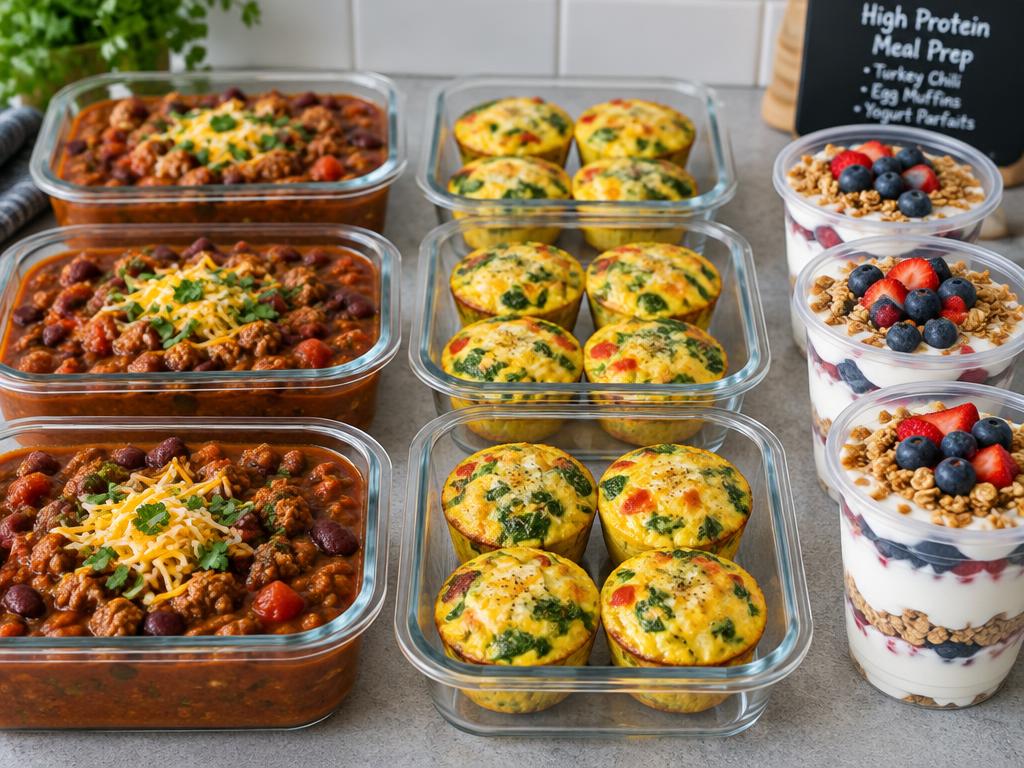
For a portable lunch, pack a lentil salad with diced peppers, parsley, and a vinegar dressing, keeping delicate leaves separate. Another option is a tortilla filled with refried beans and roasted vegetables. Pack a substantial amount of the protein-containing ingredient rather than letting it become a thin smear beneath a large portion of rice or lettuce. Add fruit, bread, or other sides as needed; lunch should provide enough overall food as well as a source of protein.
Use an insulated bag with adequate cold packs for perishable lunches, keeping foods at 40°F or below until mealtime. Do not leave tofu salads or cooked beans on a desk all morning. When reheating a packed meal, heat leftovers to 165°F and stir microwave-heated food so cold spots do not remain. Shelf-stable foods can be a backup, but check whether a carton or pouch requires refrigeration after opening. A practical backup prevents an interrupted day from turning into a missed meal.
Plan for Nutrients That Protein Alone Does Not Cover
A vegan eating pattern needs a reliable source of vitamin B12, usually through appropriately fortified foods or a supplement. Do not assume fermented foods, seaweed, or an unfortified nutritional yeast reliably supply it. Check the actual label and discuss a suitable approach with a registered dietitian or clinician. Protein adequacy and B12 adequacy are separate questions; a meal can be rich in beans and still do nothing to address a missing source of this essential vitamin.
Iron, zinc, calcium, iodine, vitamin D, and omega-3 fats also deserve attention in the overall pattern. Pairing iron-containing plant foods with vitamin C foods, such as lentils with peppers or beans with tomatoes, can support iron absorption. Choose calcium-set tofu when available and check fortified beverage labels rather than guessing. Flaxseed, chia, and walnuts provide the plant omega-3 fat ALA, but individual needs and whether other supplementation is appropriate require a broader conversation than a protein chart can provide.
Avoid starting multiple supplements without reviewing what they contain. More is not always better, and products can overlap. Pregnancy, breastfeeding, childhood, older age, and restrictive allergies can make planning more complex. A clinician can decide when laboratory testing is useful, while a registered dietitian can translate results and goals into meals. The aim is a nutritionally adequate eating pattern, not a collection of powders that compensates for a narrow rotation of foods or creates a false sense of security.
Use Powders and Specialty Products Only When They Solve a Problem
Protein powder can be convenient for someone with limited appetite, a busy schedule, or a specific training plan, but it is not a requirement of vegan eating. Before buying one, identify the actual gap. If breakfast is just coffee because mornings are rushed, a fortified soy drink and a simple sandwich may be more satisfying and useful than purchasing a large tub that you do not enjoy or remember to use.
If you choose a powder, compare protein per serving, ingredients, allergens, and added sugars. Look for credible independent quality testing when available, especially if you compete in sport, while recognizing that testing does not guarantee a product is necessary or right for you. Start with a small package if possible. Strong sweeteners, added fibers, and sugar alcohols can affect taste and digestion, so a product that works for someone else may not suit your stomach or preferences.
Consider how a supplement changes the meal. Stirring a little powder into oatmeal can be practical; replacing every lunch with a thin shake may leave you hungry and reduce dietary variety. Keep ordinary meals in the rotation and reassess if your needs change. If you are losing weight unintentionally, struggling to eat, or recovering from illness, seek individualized care rather than trying to manage the situation with retail nutrition products alone. Convenience is useful when it supports adequate eating, not when it substitutes for necessary medical attention.
Comparison
| Food | Serving | Protein |
|---|---|---|
| Lentils | 1 cup cooked | ~18g |
| Tempeh | 1 cup | ~31g |
| Firm tofu | 1 cup | ~20g |
| Chickpeas | 1 cup cooked | ~15g |
Key Takeaways
- Lentils: About 18g protein per cooked cup (USDA).
- Tofu and tempeh: Firm tofu has around 20g per cup; tempeh about 31g.
- Edamame: Roughly 18g per cooked cup — a great snack..
FAQ
Do vegans need protein powder?
Not necessarily; whole foods can meet needs for most people.
Found this helpful? Share it with a friend who loves to cook.
Tag us so we can see your creations.