Food Trends & News
Food Trends to Watch in 2027: What Home Cooks Will Be Making
By Sarah Mitchell · September 18, 2026 · 8 min read
Every year brings new hype. We filtered the noise to highlight trends that genuinely make home cooking tastier, faster or more affordable.
Global pantry staples
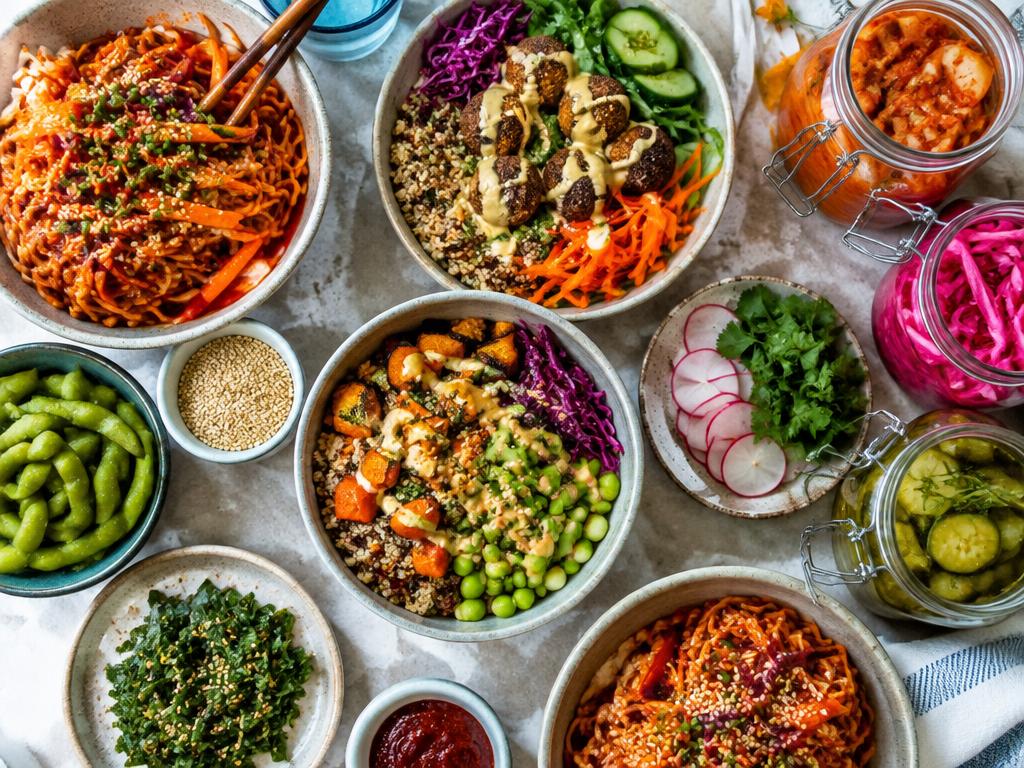
Gochujang, chili crisp, miso and za'atar are becoming everyday seasonings. A single jar adds instant depth.
Fermentation at home
Quick pickles and simple sauerkraut are easy entry points into gut-friendly cooking.
Protein-forward cooking
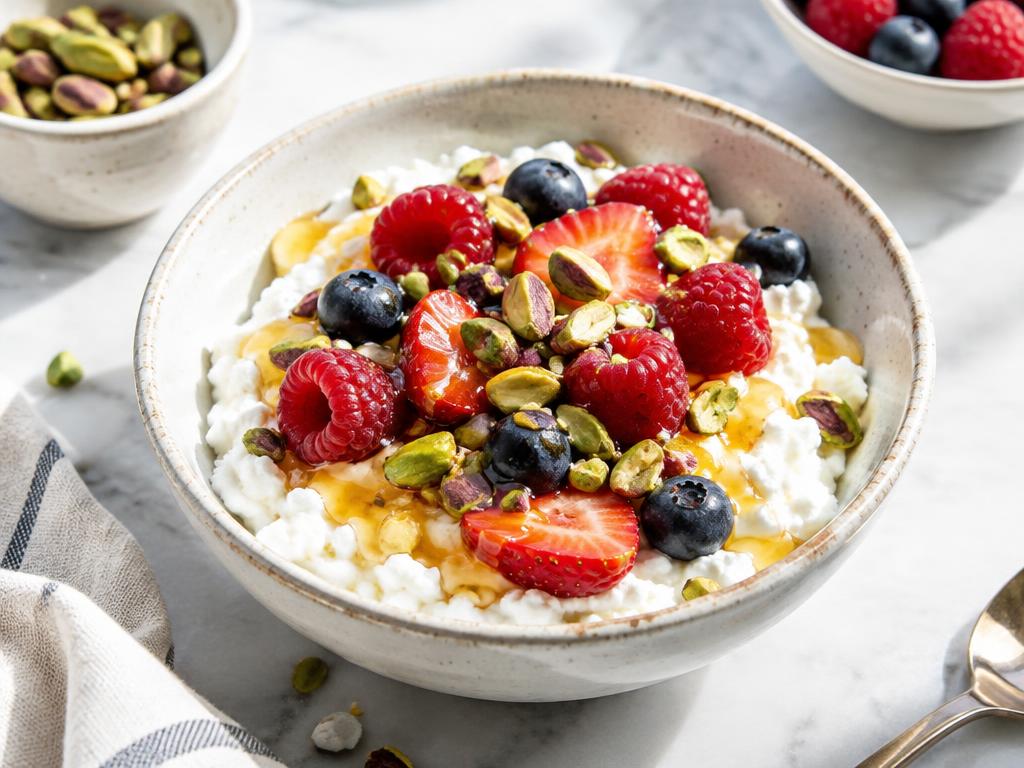
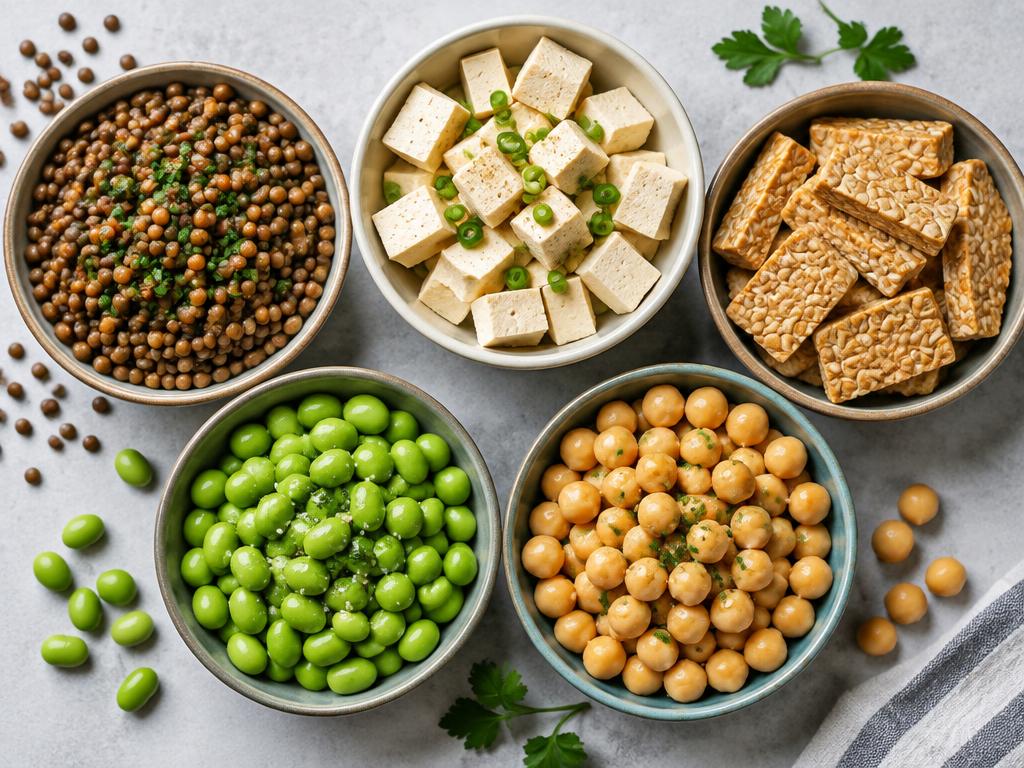
Beans, lentils and dairy-based protein boosts continue to grow alongside lean meats.
Smarter, smaller appliances
Compact multi-cookers and dual-basket air fryers are replacing bulky single-use gadgets.
Separate a useful forecast from a claim about the future
These are editorial possibilities for 2027, not verified outcomes or a forecast backed by a proprietary consumer survey. A food can receive a burst of online attention without becoming a regular household purchase. Availability, cost, preparation time, and whether people enjoy the second serving all influence staying power. Treat a prediction as an invitation to try a useful idea, not as evidence that everyone else already cooks this way.
For home cooks, a practical signal is repeat use. A condiment that improves three meals with ingredients already in the kitchen has more value than a visually dramatic recipe that requires five specialty purchases. Another signal is substitution: a technique that works with affordable beans, frozen vegetables, or ordinary cookware is easier to sustain than one tied to a single expensive product. These are evaluation criteria, not claims about measured market growth.
Keep a short trial log if you enjoy exploring new foods. Note the cost, active cooking time, cleanup, and whether anyone wanted leftovers. Revisit the idea after the initial novelty wears off. This makes trend coverage useful even when the prediction itself proves wrong. A new sauce can earn a permanent place in your refrigerator without becoming a national phenomenon, while a widely shared gadget can still be a poor fit for your available counter space and the number of people you feed.
Expect stronger interest in fiber alongside protein
One plausible direction is greater attention to meals that combine protein with fiber rather than focusing on protein alone. This is a cooking opportunity, not a claim that a particular nutrient will dominate product launches. Beans, lentils, whole grains, vegetables, nuts, and seeds can contribute useful texture and staying power to meals that might otherwise depend heavily on a protein-rich topping. They also offer different flavors instead of asking one ingredient to do every job.
Try a straightforward lunch bowl with 3/4 cup cooked lentils, a portion of roasted vegetables, and 1/2 cup cooked brown rice. Add a spoonful of yogurt dressing or tahini sauce according to preference. The lentils provide both protein and fiber, while the grain changes texture and makes the meal more substantial. Use package nutrition information or a reliable database if you need exact totals; they will vary with portions and toppings.
Increase fiber gradually if your usual intake is low, and drink adequate fluids. More is not automatically better for every person, particularly with certain digestive conditions or medically prescribed diets. Rinse canned beans if desired to reduce some sodium and remove packing liquid, but do not assume this makes every canned product low-sodium. The useful prediction is a wider range of satisfying everyday meals, not a promise that adding one fashionable seed or powder produces a specific health result.
Make waste-conscious cooking about edible food first
Another reasonable possibility is more emphasis on using food that is already in the kitchen before buying specialty ingredients. This can mean cooking broccoli stems, freezing leftover tomato paste, or planning a soup around vegetables that remain sound but no longer look pristine. It should not mean eating moldy soft foods, keeping unsafe leftovers, or treating every peel as edible. Safety and palatability come before the satisfaction of using absolutely everything.
Begin with one routine: inspect the refrigerator before writing a shopping list. Put ingredients that need attention near the front, keeping raw meat contained below ready-to-eat food. Turn leftover roasted vegetables into a grain bowl or frittata while they are still within their safe storage window. Cooked leftovers generally belong in the refrigerator at 40°F (4°C) or below for three to four days; freeze portions earlier if you will not use them in time.
Keep a small freezer container for suitable clean vegetable trimmings if you already make stock. Onion skins and certain brassicas can make a stock harsh or strongly flavored, so select scraps rather than adding everything indiscriminately. Wash vegetables before saving trimmings, date the container, and freeze promptly. This type of habit is worth adopting even if waste-conscious cooking never becomes a headline trend. Its immediate value is a more realistic shopping list and fewer forgotten ingredients, not a guaranteed environmental impact number.
Explore distinct regional flavors without flattening their origins
Interest in international pantry ingredients can lead to better cooking when it includes learning how those ingredients are actually used. Gochujang, miso, tahini, and chili crisp do not represent one interchangeable flavor category. Their salt, sweetness, fermentation, texture, and heat vary, including from brand to brand. A spoonful is a starting quantity to taste, not a universal equivalent that can move unchanged between unrelated recipes.
Choose one ingredient and explore it in several settings. For miso, whisk a small amount with warm water and taste before building a dressing with vinegar and oil. Use it on roasted vegetables, then try a different application in soup. For tahini, stir the jar thoroughly before measuring; whisk with lemon and water gradually, recognizing that it may thicken before becoming smooth and pourable. These small technique details make a pantry purchase useful rather than merely fashionable.
When adapting a dish, describe it accurately as inspired by a flavor or ingredient instead of calling an improvised version traditional. Seek recipes from cooks knowledgeable about the cuisine when you want to understand the original preparation. Read allergen labels: sesame, soy, wheat, fish, and shellfish may appear in sauces where they are not obvious from the product name. Learning one ingredient deeply is more respectful and more practical than buying an entire shelf of condiments without knowing how to store, season, or serve them.
Treat fermentation as a controlled process, not a shortcut
If home fermentation attracts new cooks, the most useful coverage will distinguish it from quick pickling. Vegetables covered with vinegar and refrigerated are quick pickles; they are not necessarily fermented. Fermentation relies on microorganisms and specific conditions, while vinegar pickling supplies acid directly. Neither process makes every preparation automatically shelf-stable, and the presence of a sour taste does not establish that a food was handled safely.
For a beginner, refrigerator pickles are a simpler starting project than improvising a fermentation jar. Use a reliable tested recipe, keep the vegetables refrigerated, and follow its storage instructions. Do not adapt a refrigerator-pickle recipe into a canning recipe by putting it in sealed jars. Shelf-stable canning requires tested ingredient proportions, acidity, processing methods, and adjustments for altitude. An attractive seal does not prove that the contents are safe.
For actual fermented vegetables, use a tested extension-service or other authoritative recipe with specified salt quantities, equipment, temperature range, and process checks. A kitchen scale makes salt measurements more repeatable, but weighing ingredients alone does not validate a homemade process. Do not reduce salt casually or assume that all surface growth is harmless. Also avoid blanket probiotic claims: some fermented products are heat-treated, and health effects cannot be inferred simply from sourness or bubbles. The worthwhile trend is more informed food preparation, not treating a jar of vegetables as a medical intervention.
Buy compact appliances only after a workflow test
Predictions about clever kitchen equipment are easy to make because new devices are visually compelling. The harder question is whether a machine fits your dinner routine. Before buying, measure usable counter space, storage clearance, and the working area needed to open a lid or pull out a basket. Check the manufacturer's ventilation requirements rather than assuming a compact footprint means the appliance can operate safely beneath any cabinet.
Estimate capacity using the food you actually cook. A basket that holds a large weight of food may still require batches for crisp results because pieces need space for airflow. Two compartments are useful only if each fits a meaningful portion and the controls support your cooking schedule. Consider whether trays, gaskets, and awkward corners are easy to clean. Time saved during cooking can disappear if washing the appliance is more complicated than cleaning a skillet.
Run a mental three-meal test: reheated roasted vegetables, a weeknight protein, and a meal for your usual household size. If your existing oven or pan already handles these comfortably, a new machine may add little. If the appliance genuinely reduces batch size or supervision, it may be worthwhile. Never use a preset as proof that meat is cooked safely; chicken still needs 165°F (74°C), and other foods require their appropriate endpoints. Smart features can manage a timer, but they cannot replace checking the actual food.
Try one flexible trend-inspired dinner before restocking the pantry
A practical way to explore these predictions is a modular tray dinner rather than a complex new recipe. Roast about 1 pound (450 g) of chopped vegetables with a light coating of oil at 425°F (220°C), giving dense roots a head start over tender pieces. Cook a grain you already own and open a can of beans or prepare another familiar protein. Keep the first attempt deliberately simple so you can judge what the new element contributes.
Make a small sauce with one unfamiliar condiment, not several at once. For example, whisk 1 teaspoon of miso into 1 tablespoon of warm water, then add a little vinegar and oil to taste. Start with a small amount because miso salinity varies. Drizzle it over one portion of vegetables and grains, taste, and adjust before dressing the entire batch. Sesame-based sauces, chili oils, or yogurt mixtures offer other directions, subject to allergies and preferences.
Pack extra components separately and refrigerate within two hours, or one hour above 90°F (32°C). Reheat cooked leftovers to 165°F (74°C), adding the cold sauce afterward if appropriate. At the end of the meal, ask three ordinary questions: did it taste good, was it manageable, and will the remaining ingredient get used? Those answers are more useful than whether the meal matches a prediction. Keep the technique that improves dinner, and skip the purchases that turn curiosity into clutter.
Key Takeaways
- Global pantry staples: Gochujang, chili crisp, miso and za'atar are becoming everyday seasonings.
- Fermentation at home: Quick pickles and simple sauerkraut are easy entry points into gut-friendly cooking..
- Protein-forward cooking: Beans, lentils and dairy-based protein boosts continue to grow alongside lean meats..
FAQ
Which trend is easiest to start with?
Buy one global condiment like chili crisp and use it on eggs, noodles and roasted vegetables.
Found this helpful? Share it with a friend who loves to cook.
Tag us so we can see your creations.