Food Trends & News
Why Cottage Cheese Is Everywhere: 6 Viral Ways to Use It
By Sarah Mitchell · September 24, 2026 · 8 min read
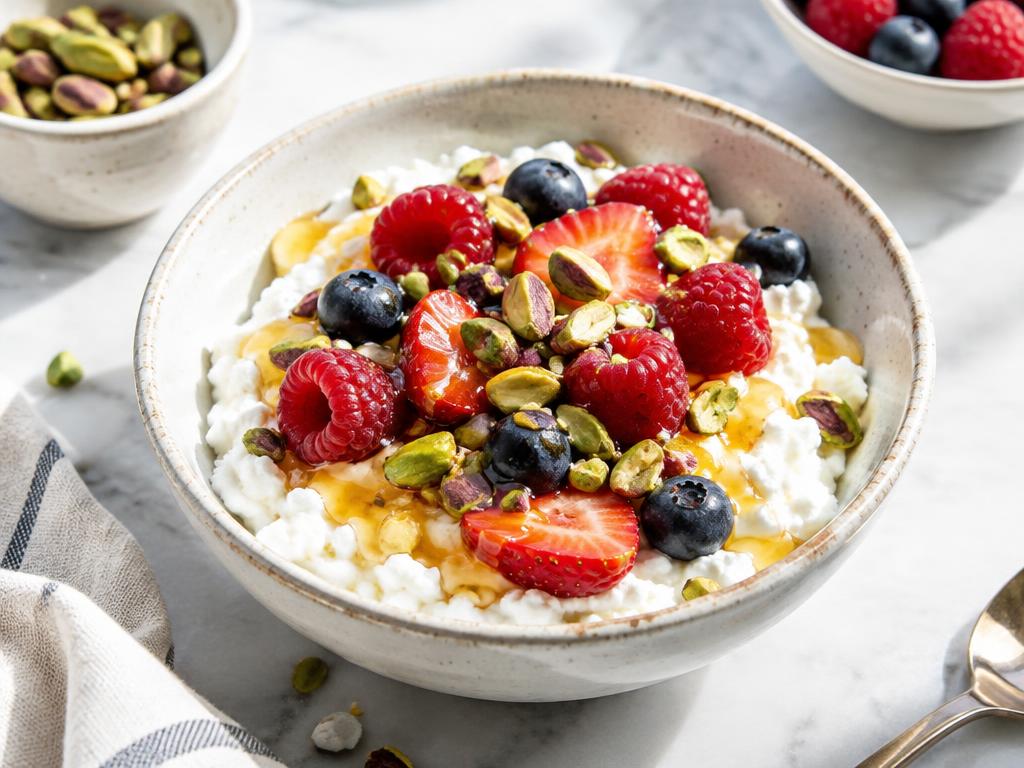
Cottage cheese went from diet-food cliché to social media star thanks to its protein content and surprising versatility. We tested the most popular ideas.
The nutrition case
A half cup of low-fat cottage cheese has roughly 12–14g of protein for around 90 calories, according to USDA data.
Whipped cottage cheese
Blend until silky and it becomes a ricotta-like base for toast, bowls and dips. This was our favorite.
Cottage cheese flatbread
Blended with eggs and baked thin, it makes a pliable wrap. Good, but needs a full 30–35 minutes to firm up.
Creamy pasta sauce
Blended with parmesan and pasta water, it creates a lighter alfredo-style sauce.
Shop for texture, sodium, and ingredients that suit the dish
Start with the label rather than the front-of-container protein claim. Cottage cheese varies in curd size, fat content, sodium, and added stabilizers, and those differences affect cooking. Small curds can blend more quickly, while larger curds offer a more noticeable texture in bowls. Either can work in a smooth preparation if the blender has enough liquid to circulate. Full-fat versions often taste rounder, but they are not required for every recipe.
Compare products using the same serving weight. A larger stated serving can make one tub look much higher in protein even when the per-ounce difference is small. Sodium deserves particular attention in savory recipes that also include parmesan, olives, or cured meat. Lower-sodium options can be useful, but taste before adjusting seasonings because different products also vary in acidity. Lactose-free cottage cheese is an option for some people with lactose intolerance, but it still contains milk proteins and is not appropriate for a milk allergy.
Choose pasteurized products and keep them refrigerated at 40°F (4°C) or below. Buy a container size you can finish according to its storage instructions, and use a clean spoon each time. Do not rely on blending, baking, or a strong seasoning to rescue cheese with mold or signs of spoilage. Soft cheeses with mold should be discarded rather than having the visible patch cut away, because contamination can extend beyond what you see.
Set up the blender for a genuinely smooth result
A blender needs movement around its blades, so a small amount of thick cheese in a very large pitcher may simply smear against the sides. For a small serving, a narrow blending cup or mini food processor can work better. Begin with about 1 cup (225 g) of cottage cheese, blend briefly, stop the machine, and scrape down the sides with a spatula. Repeat until the texture is as smooth as your equipment allows.
If the mixture refuses to circulate, add milk or water a teaspoon at a time rather than pouring in a large splash. The right amount depends on how much whey the product already contains and whether you want a dip, spread, or pourable sauce. A little liquid can unlock the blades; too much makes a toast topping slide off the bread. Always switch off and unplug the appliance before reaching near the blades.
Check the texture by rubbing a cooled dab between your fingers or tasting a spoonful. Tiny curd particles may remain in some machines even after extended blending. Chilling can thicken a blended mixture slightly, so let a dip rest in the refrigerator before adding more cheese or thickener. Blending changes texture much more predictably than flavor: a tangy, salty brand will remain tangy and salty. Choose a mild starting product for desserts rather than assuming the blades can make its flavor disappear.
Make a sturdy herb dip and a sweeter breakfast spread
For a savory dip, blend 1 cup (225 g) of cottage cheese with 1 tablespoon of olive oil, a small handful of chopped parsley or dill, and a little lemon zest. Stir in black pepper, then taste before adding salt or lemon juice. Raw garlic can become assertive during storage, so begin with half a small clove or use roasted garlic for a gentler result. Chill briefly to let the flavors settle.
Keep watery vegetables out of the blender if you want the dip to stay thick. Grated cucumber should be squeezed well and folded in afterward; chopped tomatoes are better served on top just before eating. Pair the dip with carrots, peppers, pita, or roasted potatoes. For toast, spread it on a sturdy slice and add sliced radishes or a cooked egg. Toast the bread close to serving so it does not absorb moisture and turn leathery.
For a breakfast version, blend the cheese plain, then add vanilla and a small amount of maple syrup or honey to taste. Serve with berries, toasted oats, and chopped nuts if appropriate for your household. Sweeten only the amount you plan to use, keeping the rest neutral for another meal. Honey is not suitable for children younger than 12 months. Neither sweet nor savory preparations should sit out for more than two hours, or one hour above 90°F (32°C); set out small portions and replenish from the refrigerator.
Bake breakfast cups with a reliable doneness check
Egg-and-cottage-cheese cups are more forgiving than paper-thin wraps because a muffin tin supports the mixture as it sets. For a small batch, whisk 4 large eggs with 1/2 cup (about 110 g) of cottage cheese and a little pepper. Fold in about 1/2 cup of cooked, cooled vegetables. Finely chopped broccoli, sautéed peppers, or well-drained spinach work well. Avoid adding a mound of raw watery vegetables, which can leave liquid pockets in the finished cups.
Grease six standard muffin wells thoroughly or use suitable silicone liners, then divide the mixture evenly. Bake at 350°F (175°C), beginning to check around 18 minutes. Pan size and filling depth can change the timing, so use an instant-read thermometer: the centers should reach 160°F (71°C), the USDA endpoint for egg dishes. A lightly puffed surface and set edges are helpful visual cues, but they do not replace that measurement.
Rest for several minutes before loosening the edges with a flexible spatula. If the cups sink slightly, that is normal as steam escapes; a watery interior suggests too much vegetable moisture or insufficient cooking. Refrigerate within two hours and use within three to four days. Reheat leftovers to 165°F (74°C). Serve with whole-grain toast and fruit rather than treating a small egg cup as a complete breakfast simply because the recipe contains a fashionable protein ingredient.
Keep dairy-based sauces smooth under gentle heat
Blended cottage cheese can make a useful sauce, but it behaves differently from cream. Its proteins may tighten and separate when exposed to aggressive heat, leaving small curds in thin liquid. For a warm sauce, blend the cheese first and loosen it gradually with warm water or broth. Heat the other ingredients separately, then reduce the burner or remove the pan from the heat before incorporating the blended dairy.
For a vegetable topping, blend 1/2 cup (110 g) of cottage cheese with 1 to 2 tablespoons of warm water, a teaspoon of mustard, and black pepper. Spoon it over hot roasted cauliflower or a baked potato rather than boiling everything together. For noodles, add the blended mixture after draining and toss over very low heat only as needed. The residual warmth of the food often does enough work without exposing the dairy to a rolling simmer.
If the sauce thickens too much, add warm liquid a tablespoon at a time. If it turns grainy, remove it from the heat immediately; more heat will rarely restore smoothness. A brief blend may improve the texture of a separated sauce, but there is no guarantee it will become completely silky again. Reheat leftover sauced foods to 165°F (74°C) for safety, using short intervals and stirring to minimize overheating. When appearance matters, make only enough sauce for the current meal and store the plain ingredients separately.
Approach frozen desserts as a different texture category
Blended cottage cheese can become a frozen dessert, but it is not a direct substitute for churned ice cream. Ice cream's texture depends on fat, sugar, dissolved solids, and incorporated air. A low-fat cheese mixture frozen solid without churning often becomes dense and icy. Calling it ice cream can set an expectation the recipe cannot meet, especially when very little sweetener is used in pursuit of a protein-focused label.
For a small experimental batch, blend 1 cup (225 g) of mild cottage cheese with about 1 cup of frozen berries and sweeten to taste. Serve immediately as a thick, cold spoonable dessert, or freeze in a shallow covered container for a firmer consistency. Fruit quantity and freezer temperature change the setting time, so check periodically instead of assuming a precise universal time. Stirring during the early freezing stage can break up some large ice crystals but does not recreate commercial churning.
If frozen overnight, let the portion soften briefly before scooping, keeping its total time out of refrigeration within safe limits. A small amount of nut butter can add richness, but it also adds energy and introduces an allergen. Do not promise that the dessert is low in sugar just because the cheese itself is unsweetened; honey, maple syrup, and sweetened add-ins still count. If the first batch tastes too salty, choose a milder or lower-sodium cheese next time rather than trying to bury the flavor under increasing amounts of sweetener.
Fit the trend into realistic meal prep and nutrition goals
Cottage cheese can help add protein, but the value of a meal depends on the full combination of foods. A bowl with fruit and oats brings carbohydrates and fiber that plain cheese does not provide in meaningful amounts. A savory plate with vegetables, bread, and cottage cheese has a different role from a small dip served as a snack. Match the portion to appetite and context rather than treating every recipe as a route to maximum protein.
Calculate nutrition from the actual label when comparing versions. Fat level and serving size can change calories substantially, and branded products may not match a generic database entry. If you need a specific protein target for medical or athletic reasons, use measured portions and appropriate professional advice rather than a social-media estimate. Cheese does not lose its sodium or lactose simply because it is blended into something that resembles another food.
For practical preparation, blend a neutral batch and portion it into clean covered containers. Flavor one portion with herbs for lunch and another with fruit at breakfast, avoiding repeated dipping into the main container. Follow the package's opened-storage directions, use prepared mixtures promptly, and keep cooked egg or pasta preparations within the general three-to-four-day leftover window. Freeze only if you accept possible texture changes. The most useful version of this trend is the one you enjoy enough to use consistently, not the most elaborate imitation of bread, cream, or dessert.
Key Takeaways
- The nutrition case: A half cup of low-fat cottage cheese has roughly 12–14g of protein for around 90 calories, according to USDA data..
- Whipped cottage cheese: Blend until silky and it becomes a ricotta-like base for toast, bowls and dips.
- Cottage cheese flatbread: Blended with eggs and baked thin, it makes a pliable wrap.
FAQ
Does it taste like cottage cheese when blended?
Much less so — blending removes the curd texture and mellows the flavor.
Found this helpful? Share it with a friend who loves to cook.
Tag us so we can see your creations.