Food Trends & News
Viral Baked Feta Pasta: Why It Works (and How to Make It Better)
By Sarah Mitchell · October 12, 2026 · 8 min read
Jump to Recipe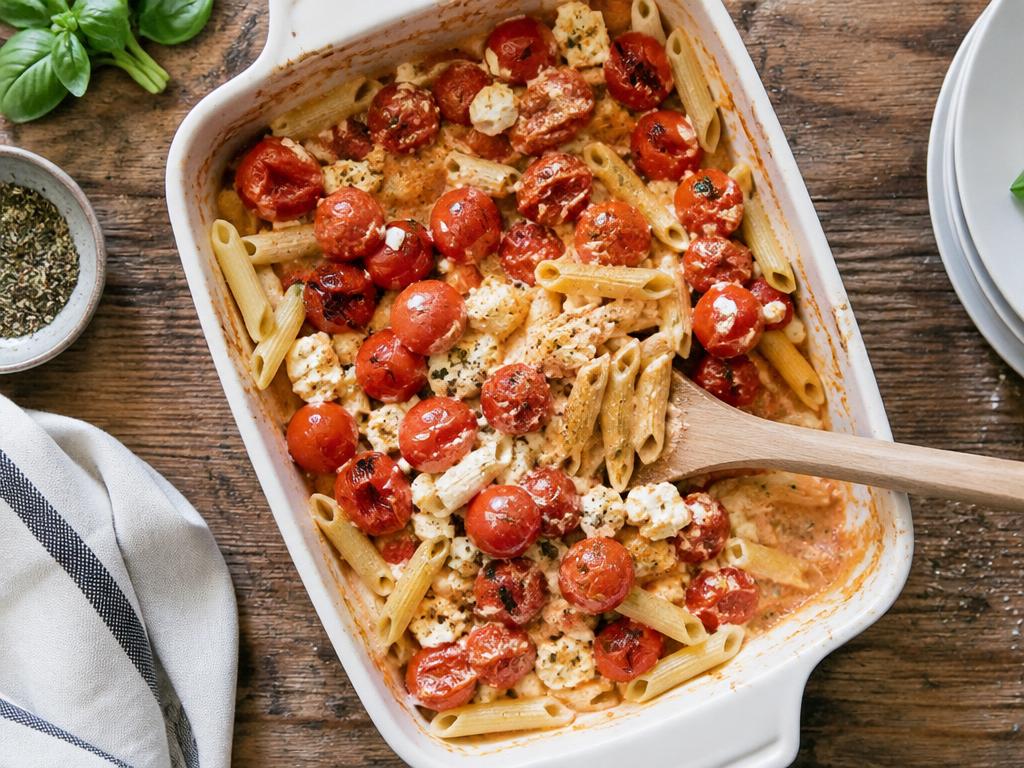
When this dish swept social media, the promise was simple: one block of feta, a pint of tomatoes, and an oven do all the work. After testing it five ways in our kitchen, we found the original is good — but a few tiny tweaks make it great.
Why this recipe works
High heat bursts the tomatoes and concentrates their sugars while the feta softens just enough to emulsify with olive oil. Stirred together, they form a tangy, glossy sauce with no cream at all.
Choosing the right feta
Block feta packed in brine melts far more smoothly than pre-crumbled feta, which contains anti-caking agents. Sheep's-milk feta gives the richest, least chalky result.
Our improvements
Add two smashed garlic cloves and a pinch of chili flakes to the dish before baking, and finish with lemon zest. Reserve pasta water — a splash loosens the sauce so it clings to every piece.
Ingredient substitutions
Swap feta for goat cheese for a milder sauce, use grape tomatoes for less liquid, or stir in baby spinach at the end for extra greens.
Storage and reheating
Refrigerate leftovers in an airtight container for up to 3 days. Reheat gently with a tablespoon of water so the sauce doesn't split.
Match the baking dish to the batch
The baking dish controls evaporation as much as oven temperature does. For the quantities in the recipe below, choose a roughly 9-by-13-inch baking dish that holds the tomatoes in a loose single layer around the cheese. A deep casserole with tomatoes stacked several layers high traps moisture, producing a pale, soupy mixture before the exposed tomatoes have time to blister. Conversely, spreading a small batch across an oversized sheet pan can evaporate the juices before they become sauce.
Keep the feta whole during roasting so its center stays moist while its exposed surface colors. Place most of the tomatoes around rather than underneath it. Scrape any tomato juices from the cutting board into the dish; those juices are useful, provided the vegetables have enough space to roast. If the tomato skins remain stubbornly intact after baking, crush several with the back of a spoon before judging the consistency.
Use the oven's middle rack as a starting point. Dark metal dishes may brown the bottom more quickly than ceramic, so inspect the edges early. Avoid transferring a cold glass dish directly into a hot oven, and follow the manufacturer's thermal-shock instructions. The goal is bubbling tomato juice and softened cheese, not a particular shade of brown on top.
Build a sauce that stays creamy on the plate
Feta does not melt into an elastic puddle like mozzarella. Its acidic protein structure tends to retain small particles, even after heating. A successful sauce therefore depends on dispersing that softened cheese through tomato juice and water rather than trying to force it to melt completely. Increasing the oven heat after the tomatoes are done can dry the cheese further without solving a slightly rustic texture.
Before adding pasta, mash the cheese thoroughly into the hot tomato liquid. Add reserved pasta water in small increments, about 2 tablespoons at a time, stirring vigorously between additions. The starch helps the watery and oily components remain dispersed, but the useful amount varies with how much the tomatoes released. You want a sauce slightly looser than the finished consistency because the pasta will absorb liquid while you toss and serve it.
If the surface looks oily, do not automatically add more cheese. Add a little warm water and stir again. If it looks watery, fold in the drained pasta and wait a minute before making another adjustment. For unusually juicy tomatoes, reduce the tomato-cheese mixture briefly in a wide skillet before adding the pasta. Keep the heat gentle: hard boiling concentrates salt and can make the dairy texture noticeably rougher.
Coordinate pasta timing without overcooking dinner
Begin heating the pasta water once the baking dish goes into the oven, but wait to add the pasta until the tomatoes are visibly softening. Most short pasta shapes need substantially less time than the roast. If you start both together, the drained pasta may sit long enough to stick while the tomatoes are still firm. Check the package cooking range and work backward from the likely end of roasting.
Taste a piece about two minutes before the package's suggested time. The center should offer resistance without a hard, chalky core. Reserve at least 1 cup of cooking water before draining, even if you expect to use less. A mug set beside the colander is a useful physical reminder. Avoid rinsing wheat pasta, since the starch on its surface helps the sauce adhere.
If the pasta finishes early, transfer it directly into the mashed sauce rather than leaving it in the colander. If the sauce is not ready, spread the pasta in a wide bowl and toss with a small spoonful of olive oil, then combine promptly. Gluten-free pasta needs particular attention because some varieties soften rapidly once sauced. Cook it just to its recommended texture, fold gently, and serve immediately rather than holding the finished dish over heat.
Adjust acidity and salt in the right order
Taste the roasted mixture before adding any finishing salt. Feta brands vary substantially in salinity, and evaporation concentrates both the cheese's salt and the tomatoes' acids. Lightly salting the pasta water gives more room for correction than using aggressively salted water and discovering that every component is already salty. You can always add a small pinch to the assembled dish, but removing dissolved salt is not practical.
If the sauce tastes sharp, first check whether it is also too thick. A little unsalted hot water can soften an overly concentrated impression. For tomatoes that remain especially tart, fold in a tablespoon of unsalted butter or a small spoonful of plain ricotta. These ingredients round the flavor without requiring a sweet sauce. A tiny pinch of sugar is an option, not an automatic ingredient; add it only after tasting a spoonful of the complete mixture.
Lemon zest and lemon juice do different jobs here. Zest contributes fragrant citrus oils without much additional acid, making it useful when the tomatoes already taste bright. Reserve juice for a finished dish that actually tastes flat. Add fresh herbs after the hottest mixing stage so their aromas remain distinct. If the result is too salty, stretch it with additional unsalted pasta and cooked vegetables rather than adding more acid to disguise the problem.
Turn the base into a complete seasonal meal
For extra vegetables, choose additions by their water content and cooking time. Broccoli florets or zucchini can roast on a separate sheet pan so they brown instead of flooding the tomato dish. Toss them into the finished pasta while still hot. Tender arugula can be folded in off the heat, where residual warmth softens it without turning it into a gray-green mass. Frozen vegetables should be cooked and drained first.
For a pantry-friendly protein addition, drain and rinse a 15-ounce can of chickpeas, then warm them with the tomatoes during the last part of roasting. They absorb flavor without demanding another cooking method. Cooked white beans are softer, so fold them in gently near the end. Neither addition makes the dish automatically low in calories; it adds texture, fiber, and another source of protein while changing the final portion size.
If serving chicken or shrimp alongside, cook them separately rather than burying raw protein beneath the feta. Chicken must reach 165°F (74°C); shrimp should become pearly and opaque. Separate cooking makes those endpoints easier to control and prevents extra liquid from diluting the sauce. Serve the pasta with a crunchy cucumber salad or simply dressed greens. An acidic side can refresh the meal, but taste the pasta first before choosing a strongly vinegary dressing.
Make components ahead without sacrificing texture
For an easier evening, wash and thoroughly dry the tomatoes, measure the oil, and prepare the garlic earlier in the day. Keep cut ingredients refrigerated until cooking. You can also roast the tomato-cheese base ahead, then refrigerate it promptly in a shallow covered container. Cook the pasta fresh when possible; stored pasta absorbs moisture, so combining everything in advance usually produces a softer result the next day.
Refrigerate cooked food within two hours, or within one hour when the surrounding temperature is above 90°F (32°C). Keep the refrigerator at 40°F (4°C) or below. Divide a large batch into shallow containers rather than waiting for a deep baking dish to cool completely on the counter. The article's three-day leftover recommendation is a practical, conservative window within USDA's general three-to-four-day guidance for cooked leftovers.
When reheating, add a splash of water, cover loosely, and stir at intervals so the edges do not dry out while the middle remains cold. Reheated leftovers should reach 165°F (74°C), checked in several places. Freezing is possible, but expect the cheese to become grainier and the tomatoes to release additional water after thawing. Freeze the sauce separately from pasta if texture matters, thaw in the refrigerator, and whisk well during reheating before adding freshly cooked pasta.
Read the nutrition numbers as a recipe estimate
The nutrition panel is a guide to the listed recipe, not a guarantee for every variation. Pasta weight, feta brand, and the amount of oil actually served all affect the result. Measure oil rather than pouring freely if you want repeatable portions. An extra tablespoon changes the total energy of the batch, even though olive oil can fit comfortably into many eating patterns. Dividing the finished dish into four similar portions is more reliable than estimating by the number of spoonfuls.
For more fiber, replace some or all of the regular pasta with whole-wheat pasta and add vegetables or beans. Whole-wheat pasta has a more pronounced flavor, so start with half if your household prefers a milder result. Chickpea and lentil pastas bring different protein and fiber profiles, but also different textures; follow their package directions instead of assuming they behave like durum wheat pasta.
People watching sodium should compare feta labels and consider using a smaller amount of cheese rather than assuming that draining brine removes most of its sodium. Check labels for milk and wheat allergens, and use separate utensils if accommodating an allergy. This dish does not need a health halo to be worthwhile: portion size, satisfying flavor, and the foods served beside it matter more than whether a viral recipe is described as light or indulgent.
Viral Baked Feta Pasta
Ingredients
- 2 pints (600g) cherry tomatoes
- 1 block (200g) feta in brine
- 1/3 cup (80ml) extra-virgin olive oil
- 2 garlic cloves, smashed
- 1/2 tsp red chili flakes
- 12 oz (340g) short pasta
- 1 lemon, zested
- Handful fresh basil
Instructions
- Heat oven to 400°F (200°C).
- Add tomatoes, garlic and chili to a baking dish, toss with olive oil and a pinch of salt.
- Nestle the feta block in the center, drizzle with oil and bake 30–35 minutes until tomatoes burst.
- Meanwhile cook pasta until al dente; reserve 1/2 cup pasta water.
- Mash feta and tomatoes together, add pasta and a splash of pasta water, and toss until glossy.
- Finish with lemon zest and torn basil.
Nutrition (per serving, estimated)
Calories 520 · Protein 18g · Carbs 62g · Fat 22g
Nutrition estimated using USDA FoodData Central values; actual values vary by brand and portion.
Key Takeaways
- Why this recipe works: High heat bursts the tomatoes and concentrates their sugars while the feta softens just enough to emulsify with olive oil.
- Choosing the right feta: Block feta packed in brine melts far more smoothly than pre-crumbled feta, which contains anti-caking agents.
- Our improvements: Add two smashed garlic cloves and a pinch of chili flakes to the dish before baking, and finish with lemon zest.
FAQ
Why is my feta pasta grainy?
Pre-crumbled feta or too-low oven heat. Use a brined block and bake at 400°F.
Can I make it dairy-free?
Yes — a firm plant-based feta works, though it melts less smoothly. Add extra pasta water.
Made this recipe? Rate it and share it on Pinterest!
Tag us so we can see your creations.