Healthy & Special Diets
Mediterranean Diet for Beginners: Simple Guide and Meal Ideas
By Sarah Mitchell · October 7, 2026 · 8 min read
Jump to Recipe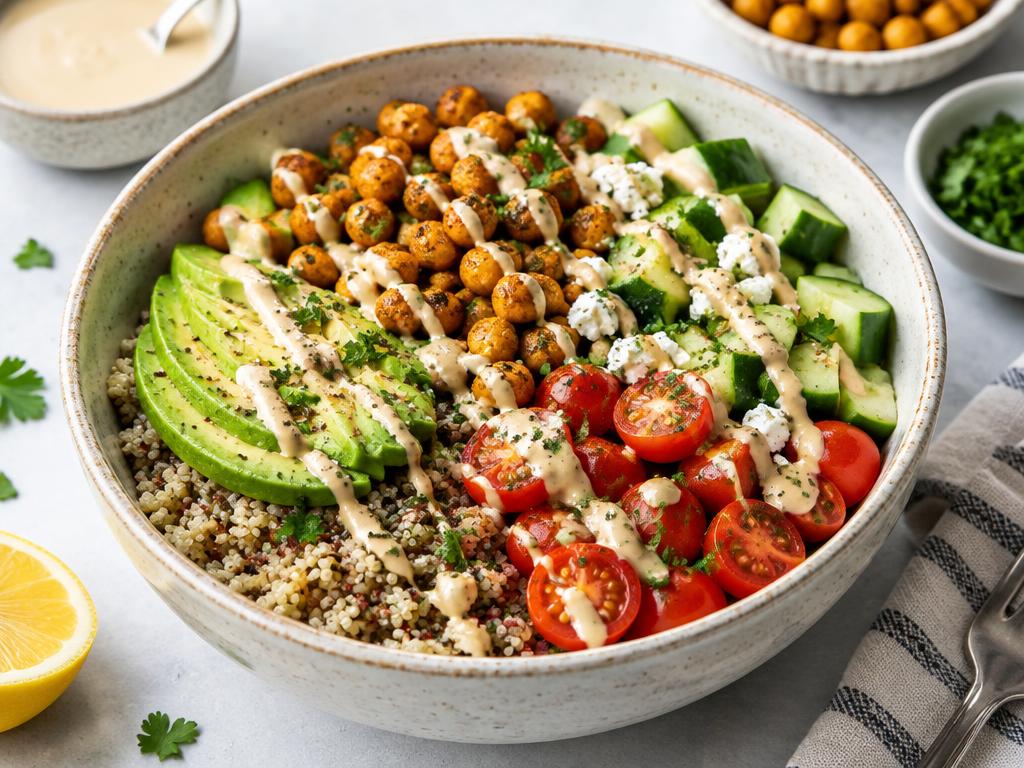
Consistently ranked among the healthiest eating patterns, the Mediterranean diet is less a diet and more a delicious way of cooking.
Core principles
Plenty of vegetables, fruits, whole grains, legumes, nuts, olive oil and fish; moderate dairy; limited red meat and sweets.
A sample day
Breakfast: Greek yogurt with fruit and walnuts. Lunch: quinoa chickpea bowl. Dinner: baked fish with roasted vegetables.
Stocking your pantry
Extra-virgin olive oil, canned chickpeas, tomatoes, whole grains, herbs, garlic and lemons.
Start With a Two-Week Transition You Can Maintain
A useful first step is to change the meals you already cook rather than replace your entire menu. During the first week, choose two familiar dinners and add a substantial vegetable side. Serve your usual chicken with braised cabbage, or put roasted carrots alongside a pasta dish. Keep the seasonings familiar so the change feels like dinner, not a separate project requiring unusual ingredients or special equipment.
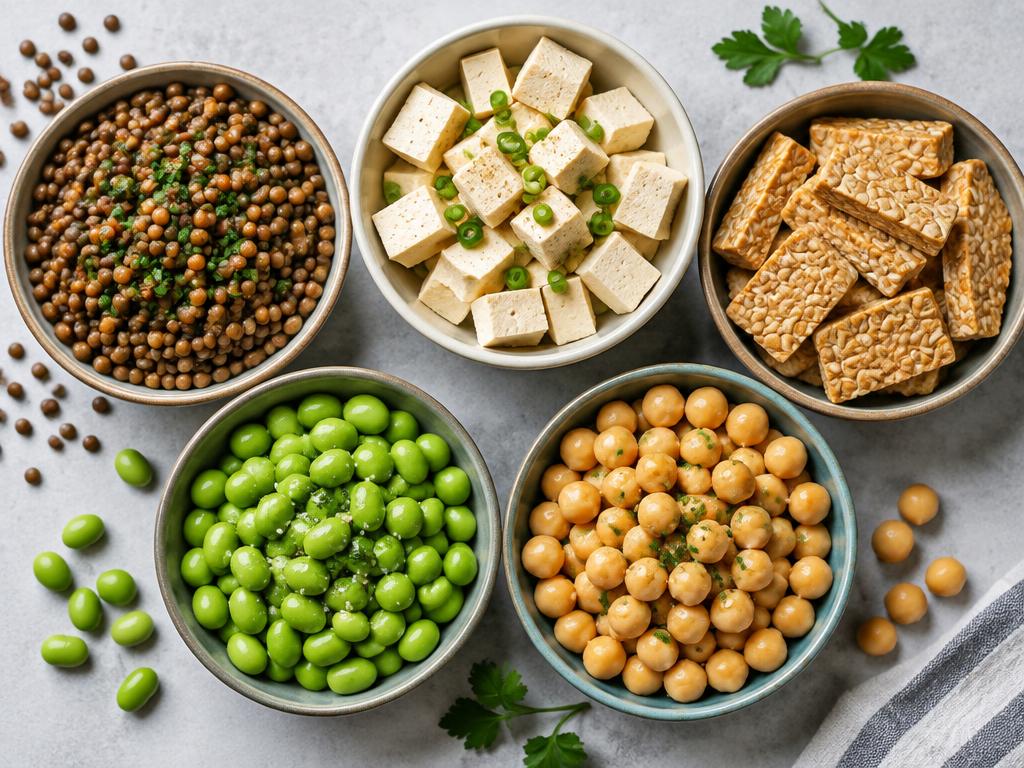
In the second week, experiment with one bean-centered meal and one seafood meal if you eat fish. White bean stew with bread and a vegetable frittata are approachable alternatives to a meat-centered plate. These are examples, not mandatory assignments. If seafood is expensive or unavailable, beans, eggs, and other proteins can still fit. The pattern matters more than reproducing the cooking of any single Mediterranean country.
Choose a habit you can observe, such as cooking one additional vegetable at dinner, rather than a promised result on the scale. At the end of two weeks, notice which meals were affordable, enjoyable, and easy to repeat. Keep those and revise the rest. A sustainable eating pattern should accommodate your work schedule, cooking ability, food traditions, and appetite instead of demanding that you reorganize your life around a rigid menu.
Build Flavor With Browning, Acidity, and Texture
Vegetable-heavy meals are more appealing when their components have distinct textures. For a tray of eggplant and peppers, dry the vegetables, cut them into similarly sized pieces, and leave room between them. A crowded pan traps steam, while a little space encourages browning. Roast until the surfaces develop color and the interiors soften, checking smaller pieces early rather than relying entirely on a fixed cooking time.
Once the vegetables are cooked, add a contrasting finish. Vinegar can brighten sweet roasted peppers; chopped parsley can freshen a warm bean dish; toasted breadcrumbs can give soft vegetables some crunch. Start with a small splash of acid, taste, and adjust. Lemon is useful but not essential: red wine vinegar, a little plain yogurt, or chopped tomatoes can create a similar contrast in suitable dishes without making every meal taste identical.
For a quick sauce, stir plain yogurt with grated cucumber, dill, and a little garlic. For a dairy-free alternative, mash white beans with water, vinegar, and herbs until spoonable. Add either sauce at serving time rather than baking it onto everything. Keeping sauces separate helps leftovers retain their character and lets different family members adjust richness and intensity. A pinch of salt may still be useful, but taste before adding more, particularly when olives or cheese are present.
Shop by Usable Portions, Not Mediterranean Branding
A package does not need a Mediterranean label to belong in your cart. Compare basic ingredients by unit price and consider how much you will actually use. A large bag of tender greens is not a bargain if half wilts before dinner. Frozen broccoli, loose carrots, and a small cabbage may offer more usable servings for the same budget, especially when your schedule changes unexpectedly during the week.
Read canned food labels for sodium and compare similar products. No-salt-added beans and tomatoes offer more control over seasoning, while rinsing regular canned beans can reduce some sodium. For bread and cereal, check the ingredient list for whole grains and compare fiber rather than relying on brown coloring or multigrain wording. Neither an imported label nor an expensive bottle automatically makes an ingredient a better everyday choice for your household.
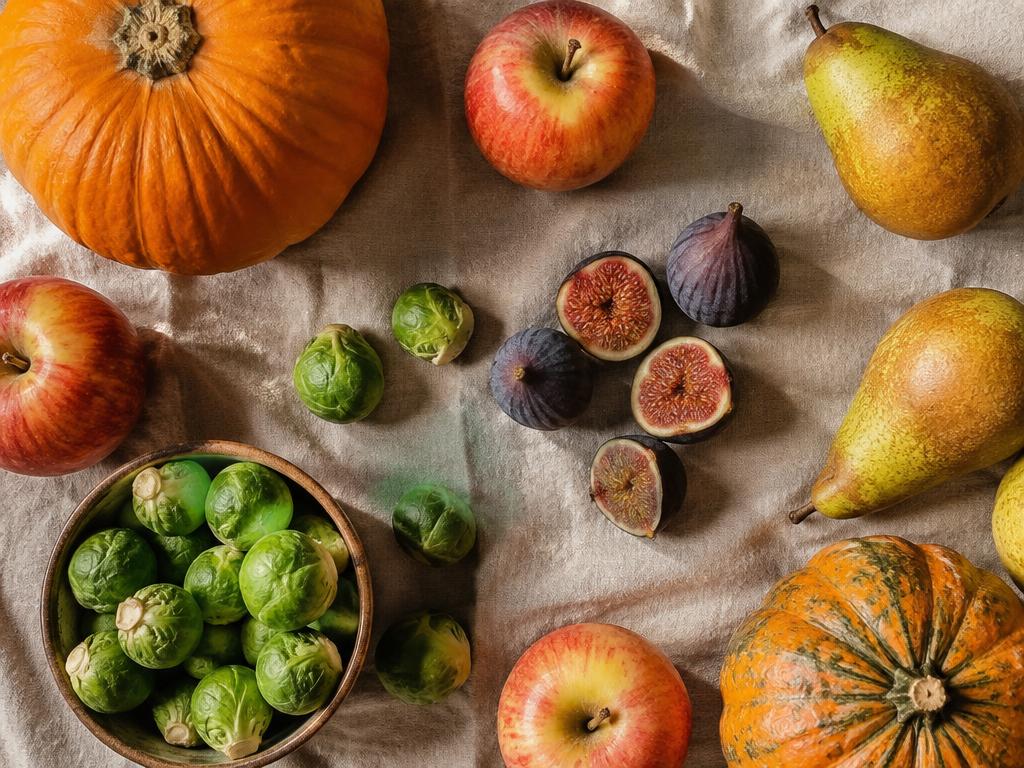
Spend selectively on ingredients whose flavor you notice. A modest bottle of olive oil kept away from heat and light is more practical than a large premium container that sits open for months. Buy nuts in an amount you can finish, or freeze extras in a tightly sealed container. Choose fruit that suits the season and your budget. Apples, oranges, frozen berries, and canned fruit packed in juice can all be useful options without requiring an expensive specialty shopping trip.
Make Three Flexible Dinners From One Prep Session
Plan overlapping components, not three identical boxed meals. Cook a pot of barley or brown rice, roast a tray of sturdy vegetables, and prepare a pot of beans or open a few cans. Set aside one simple sauce and wash some salad leaves. On the first night, serve the warm grain with vegetables and beans, allowing everyone to add sauce and crunchy toppings to their own plate.
For the second meal, turn part of the beans into a tomato-based soup with broth and chopped greens. Serve the grain on the side or stir in just enough to thicken individual bowls. On the third night, use the remaining roasted vegetables in an omelet or tuck them into a whole-grain pita with a yogurt dressing. These changes in temperature and format help the same groceries feel like different dinners rather than repeated leftovers.
Refrigerate cooked components promptly in shallow containers at 40°F or below, within two hours of cooking, or one hour when temperatures exceed 90°F. Use most cooked leftovers within three to four days, and freeze portions you will not finish in that window. Keep leafy greens separate from warm foods and add dressings shortly before eating. Reheat leftovers to 165°F, checking the center rather than assuming a steaming surface means the whole container is hot.
Adapt Shared Meals Without Cooking Two Dinners
A mixed household does not need separate menus for every preference. Choose a shared base, such as roasted vegetables, baked potatoes, or a pot of tomato sauce, and serve protein options separately. One person might add fish, another white beans, and another a small portion of chicken. The practical goal is a dinner everyone can assemble, not a debate about whether each plate perfectly matches a dietary label.
Familiar dishes can become more plant-forward without losing their identity. Add mushrooms and lentils to a meat sauce, serve a smaller amount of sausage in a large vegetable stew, or include a bean side with a family roast. If someone dislikes a vegetable, try another preparation before ruling it out: steamed cauliflower and deeply roasted cauliflower have very different textures. Avoid hiding every ingredient when a clear choice of toppings would make mealtime easier.
Children and adults may need different portions, and appetite varies from day to day. Serve food family-style when practical and let people ask for more. For food allergies, use safe substitutions and separate utensils where necessary; removing a garnish from a finished dish is not a reliable allergy precaution. A registered dietitian can help adapt shared meals for growth, pregnancy, diabetes, or other needs without turning the kitchen into several competing meal plans every evening.
Navigate Restaurants and Social Meals With Flexibility
Look for a meal structure rather than a perfect menu category. At a restaurant, a grilled entree with vegetables and bread can be as workable as a dish explicitly described as Mediterranean. Check how foods are prepared, since a vegetable dish may contain substantial butter or salt. Ask for a sauce on the side if you want more control, but remember that restaurant meals do not need to imitate your home cooking exactly.
When ordering takeout, consider adding a vegetable dish or sharing a richer entree alongside beans, rice, or a salad. If portions are large, set aside leftovers before you become uncomfortably full, provided you can refrigerate them promptly. At gatherings, enjoy the foods that matter to you rather than treating dessert as a failure. One celebration does not determine the quality of an eating pattern followed over weeks and months.
Wine is not a requirement of Mediterranean-style eating, and people who do not drink should not start for presumed health benefits. Sparkling water, unsweetened tea, and water with citrus work just as well at the table. Alcohol may be inappropriate with medications, pregnancy, certain health conditions, or driving. If drinking is part of your routine and you have questions about safety, discuss your individual circumstances with a qualified healthcare professional rather than relying on a diet's cultural associations.
Adjust for Appetite, Digestion, and Medical Needs
Increasing beans, vegetables, and whole grains all at once can cause uncomfortable gas or bloating. Begin with smaller servings, cook vegetables until tender if that suits you better, and increase fiber gradually. Drink fluids regularly unless you have been advised to restrict them. Try different beans and preparations rather than assuming one uncomfortable meal means every legume is off limits; individual tolerance and serving size both matter in practice.
Energy needs also differ. A physically active adult may need a larger grain portion and additional snacks, while someone with a smaller appetite may prefer compact meals with yogurt, beans, eggs, or nut butter. Olive oil and nuts can contribute useful unsaturated fats, but adding them without considering the rest of the meal does not guarantee any particular weight outcome. Use appetite, satisfaction, and personalized advice rather than a universal portion prescription.
People managing kidney disease, diabetes, digestive disorders, or food allergies may need modifications to otherwise nutritious ingredients. Some medications also require consistent intake of certain nutrients or avoidance of particular foods. Bring a realistic food record to your doctor or registered dietitian so recommendations fit your actual meals. Mediterranean-style cooking can be flexible, but it is not a substitute for medical treatment, and no individual food or recipe can promise to prevent or cure disease.
Mediterranean Diet for Beginners
Ingredients
- 1 cup cooked quinoa
- 1 can (15 oz) chickpeas, drained
- 1 cup cherry tomatoes, halved
- 1 cucumber, sliced
- 1 avocado, sliced
- 2 cups mixed greens
- 2 tbsp tahini
- 1 lemon, juiced
- 1 tbsp olive oil
- 1/2 tsp cumin
Instructions
- Roast chickpeas with oil and cumin at 425°F for 15 minutes.
- Whisk tahini, lemon juice and water to a drizzly sauce.
- Divide greens and quinoa between bowls.
- Top with tomatoes, cucumber, avocado and chickpeas.
- Drizzle with tahini sauce.
Nutrition (per serving, estimated)
Calories 560 · Protein 19g · Carbs 58g · Fat 29g
Nutrition estimated using USDA FoodData Central values; actual values vary by brand and portion.
Key Takeaways
- Core principles: Plenty of vegetables, fruits, whole grains, legumes, nuts, olive oil and fish; moderate dairy; limited red meat and sweets..
- A sample day: Breakfast: Greek yogurt with fruit and walnuts.
- Stocking your pantry: Extra-virgin olive oil, canned chickpeas, tomatoes, whole grains, herbs, garlic and lemons..
FAQ
Can I lose weight on it?
Many people do, but portion size still matters. Speak with a dietitian for personal goals.
Made this recipe? Rate it and share it on Pinterest!
Tag us so we can see your creations.