Food Trends & News
What's in Season This Fall: 12 Ingredients to Cook Right Now
By Sarah Mitchell · October 8, 2026 · 8 min read
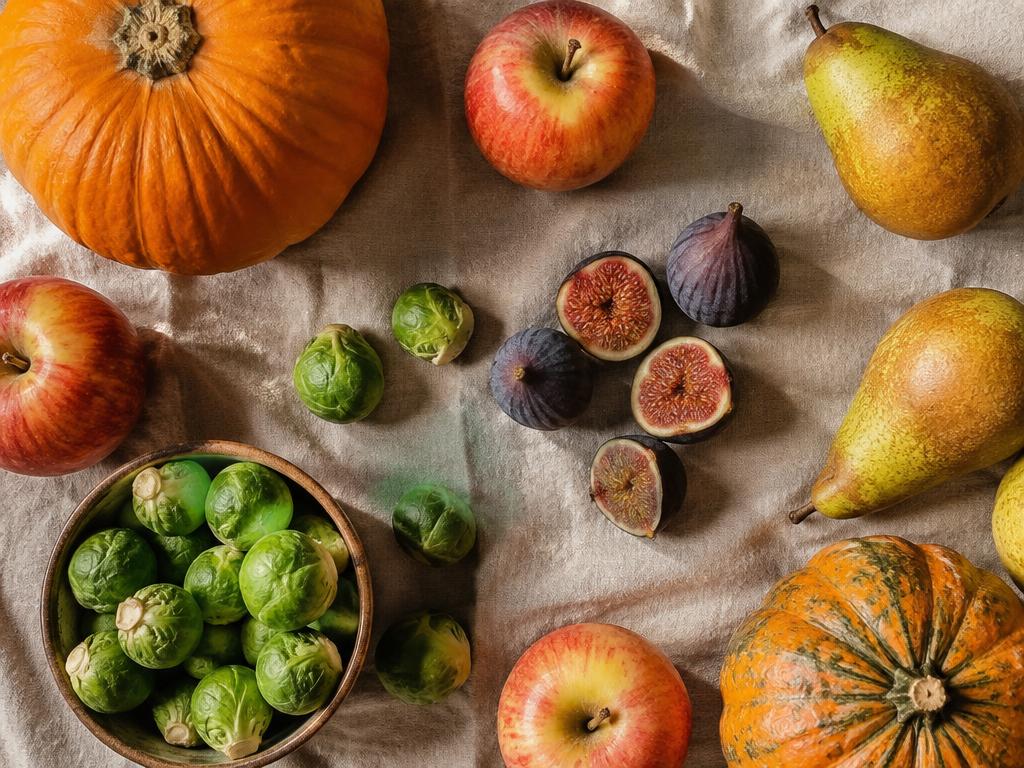
Cooking with the season is the easiest way to get better flavor for less money. Here's what's at its peak right now, and the simplest way to enjoy each one.
Winter squash
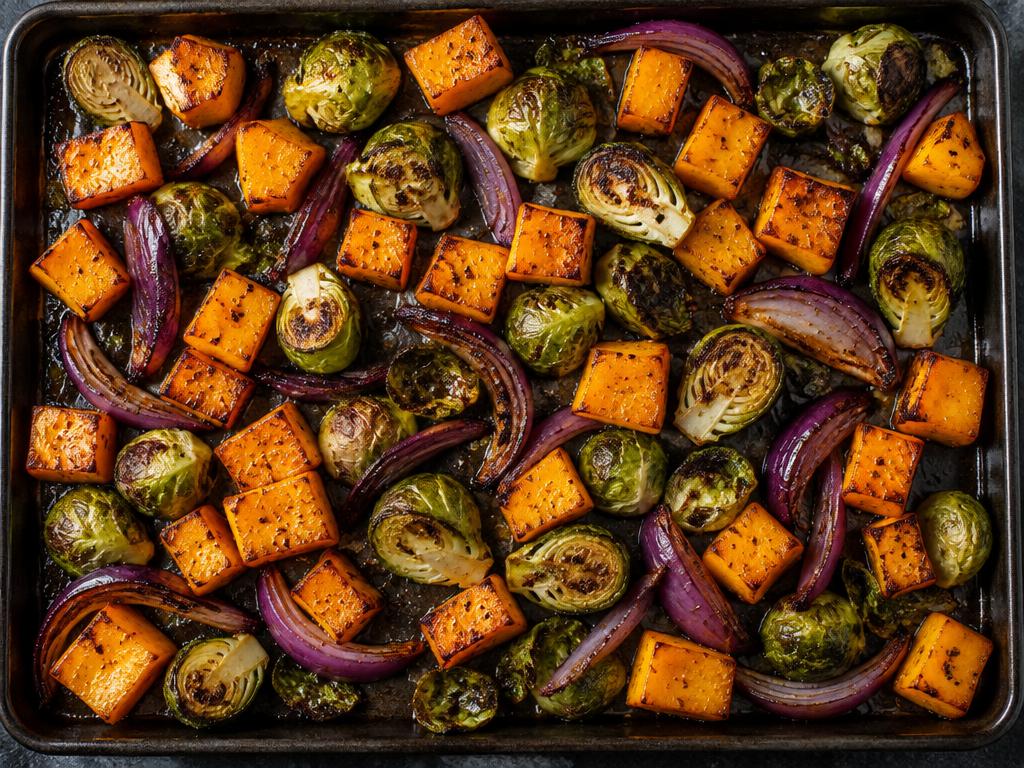
Butternut, delicata and kabocha are dense and sweet. Choose heavy squash with matte skin; roast cut-side down at 425°F for caramelized edges.
Apples and pears
Firm, fragrant fruit is best. Store apples cold and apart from other produce, since they release ethylene that speeds ripening.
Brussels sprouts and cabbage
Cold weather makes brassicas sweeter. Halve sprouts and sear cut-side down in a hot pan for deep browning.
Figs and grapes
Late-season figs are fragile — eat within two days. Pair them with salty cheese or roast with honey.
How to shop seasonally
Visit farmers markets, check grocery 'local' signage, and buy in bulk when prices dip to freeze or preserve.
Complete the fall basket with seven versatile choices
Beyond squash, orchard fruit, brassicas, figs, and grapes, seven useful autumn purchases are sweet potatoes, beets, carrots, parsnips, leeks, cauliflower, and cranberries. Their exact local season depends on climate and growing conditions, so treat a national seasonal list as a starting point rather than a promise. Ask a grower what was harvested recently and what came from storage. Stored roots can still be excellent ingredients, even when they were not pulled from the ground that morning.
Choose sweet potatoes that feel firm, without soft spots or deep cuts. Smaller beets cook faster and are convenient when you want a weeknight side; attached greens should look lively rather than slimy. Carrots and parsnips should be firm rather than rubbery. Very large parsnips can have a woody center, which is easy to trim out after quartering them lengthwise. Different carrot colors are attractive, but firmness and flavor matter more than a mixed-color package.
Look for leeks with crisp white and pale-green portions, cauliflower with tight florets, and cranberries that are firm rather than collapsed. Leeks hide grit between their layers, so their clean exterior is not evidence that they are ready to cook. Cranberries are naturally tart: buy them for sauces, relishes, and baking rather than expecting the sweetness of grapes. Frozen cranberries are a useful alternative when fresh bags are expensive or unavailable.
Clean and cut sturdy vegetables safely
Rinse produce under running water before cutting, including squash whose peel you do not plan to eat. A knife can carry surface dirt into the flesh. Scrub firm roots with a clean produce brush, and skip soap or household detergent. Remove damaged areas from otherwise sound produce; discard items with extensive decay. Use a stable cutting board with a damp towel underneath if the board slides across the counter.
Hard squash is easier to handle when it has a flat base. Trim a thin slice from one end, stand it securely, and cut downward with a sturdy sharp knife, keeping your free hand out of the blade's path. Do not twist a lodged knife sideways or strike it with another object. If cutting a large squash feels unsafe, buy pre-cut pieces or choose a smaller, thinner-skinned variety such as delicata. Convenience is worthwhile when it reduces the risk of injury.
For leeks, remove the tough dark-green tops, halve the usable stalk lengthwise, and rinse between the layers. Alternatively, slice them, swish in a bowl of water, and lift them out so grit stays behind. Dry vegetables thoroughly before roasting. Water left in leek layers or on cauliflower florets can delay browning and create unexpected steam. Keep raw produce away from cutting boards and utensils used for raw meat unless those surfaces have been properly washed.
Roast a mixed tray without burning the tender pieces
A successful mixed roast begins with matching piece size to density. Cut carrots and parsnips into roughly 1/2-inch-thick pieces, while cauliflower can remain in larger florets. Dense sweet potatoes need more time than thin leek slices. Instead of forcing everything onto one tray at once, give the roots a head start or use separate pans that can leave the oven independently. This is especially helpful when cooking vegetables of different ages and moisture levels.
For about 1 1/2 pounds (680 g) of prepared roots, start with 1 to 2 tablespoons of oil, enough to coat lightly without leaving puddles. Roast at 425°F (220°C), spreading the pieces in a single layer with some exposed pan between them. Check after 20 minutes, turn as needed, and continue until a knife enters the centers easily. Many batches take 30 to 45 minutes, but shape and oven performance matter more than the clock.
Add delicate leeks later or protect them in a separate covered dish. If the roots brown before softening, lower the heat to 375°F (190°C) and cover loosely for part of the remaining cooking time. If everything is tender but pale, spread it out more and return it uncovered briefly. Finish with seasonings after roasting: toasted cumin with carrots, mustard with cauliflower, or cider vinegar with beets. Add sweet glazes late because their sugars can scorch before the vegetables cook through.
Use fruit according to its texture, not its color
An attractive apple is not necessarily the right apple for every job. For baking, look for varieties described as holding their shape, and combine a tart apple with a sweeter one for a more rounded filling. For quick applesauce, softer cooking apples are useful rather than inferior. Cut fruit into consistent pieces so some chunks do not dissolve while others remain hard. Taste the raw fruit before deciding how much sugar a preparation needs.
Pears usually benefit from ripening at room temperature before refrigeration. Check for a little give near the stem rather than squeezing the broad body hard enough to bruise it. Firm pears can be poached or roasted; fully ripe ones suit salads and simple desserts. If pears are hard when you need them tonight, choose a cooked preparation instead of trying to rush ripening with oven heat and expecting fresh-fruit texture afterward.
For a simple warm topping, cook 2 cups of chopped apples or pears with 2 tablespoons of water over medium-low heat, covered, until they begin to soften. Uncover and let excess liquid evaporate, then season with cinnamon and a little lemon juice if needed. Spoon over oatmeal, yogurt, or pancakes. Refrigerate the cooked topping promptly and use within three to four days. Cranberries can join this mixture, but add a small handful first: their acidity can dominate before their bright color makes the amount seem excessive.
Store each purchase for the job ahead
Set refrigerator temperature to 40°F (4°C) or below and avoid packing drawers so tightly that delicate produce gets crushed. Remove beet and carrot tops before storing the roots, leaving a short stem stub; the greens draw moisture from the roots. Store usable greens separately, wash before preparation, and plan to cook them earlier than the roots. Beet greens can be sautéed like chard, while very tough stems need extra chopping and cooking time.
Whole winter squash generally prefers a cool, dry, ventilated place rather than a humid refrigerator drawer. Storage life varies greatly by variety and condition, so inspect periodically for soft spots and use damaged squash promptly if still sound. Once cut, squash belongs in the refrigerator. Sweet potatoes also do best in a cool, dark, ventilated location; do not assume every root vegetable needs the same storage environment as carrots or beets.
For freezing, prepare vegetables with a method appropriate to the ingredient. Many raw vegetables need blanching to slow quality loss from enzymes; freezing alone does not stop every deterioration process immediately. Follow a reliable extension-service blanching guide rather than using one universal time. Roasted squash puree can be frozen in meal-size portions after prompt cooling. Label containers with ingredient and date, and leave expansion room for wet mixtures. Freezing preserves usefulness, but it will not restore freshness to produce already past its best.
Build three dinners from one focused shopping trip
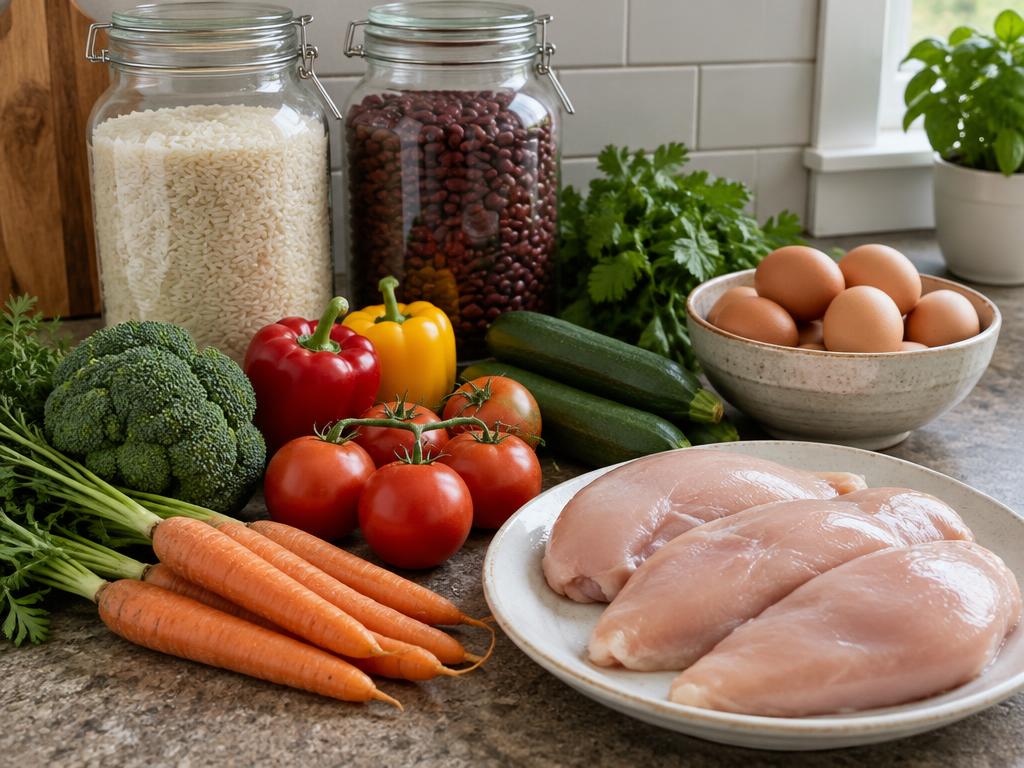
A flexible fall basket can support several meals without requiring a different recipe for each vegetable. Buy one large squash, a bunch of carrots, a cabbage, a few apples, and a bag of lentils, then add the proteins and grains your household already enjoys. The aim is shared preparation, not identical dinners. Roast only the vegetables you will use within the next few days, and keep the remaining whole produce for later in the week.
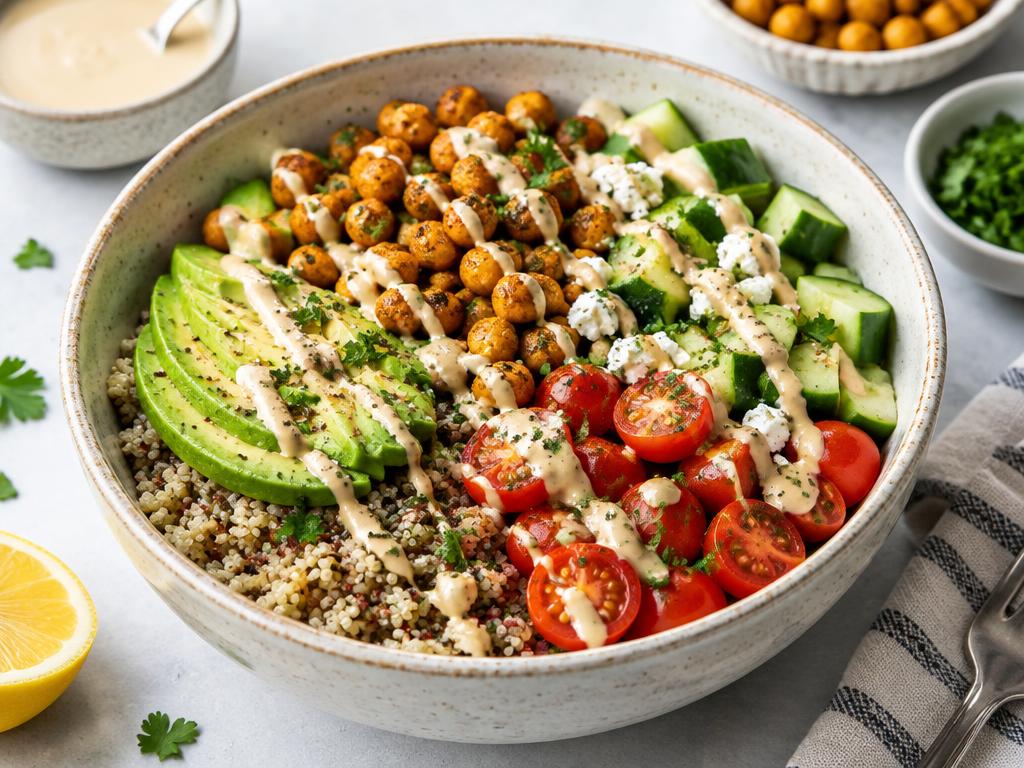
For the first dinner, serve roasted squash and carrots over cooked barley or brown rice with lentils and a mustard vinaigrette. Keep some vegetables unseasoned beyond oil and a modest amount of salt so they remain adaptable. For the second meal, warm a portion with broth and blend into soup, adding liquid gradually until the texture suits you. Add cooked beans or serve with a sandwich if soup alone would not be satisfying enough.
For the third dinner, sauté sliced cabbage and serve it with baked potatoes, eggs, or cooked chicken, with crisp apple on the side. Follow appropriate safe temperatures for the protein: egg dishes should reach 160°F (71°C), and chicken should reach 165°F (74°C). Keep dressings separate from stored grains and vegetables when possible. This preserves texture and lets each person change the flavor with mustard, herbs, lemon, or a spoonful of plain yogurt instead of feeling committed to the same bowl three nights running.
Evaluate seasonal value without chasing a nutrition halo
Seasonal shopping is useful when it improves flavor, price, or the likelihood that you will cook what you buy. It does not guarantee that every local item is cheaper or more nutritious than every frozen alternative. Nutrient content depends on the crop, maturity, storage, and preparation. Frozen cauliflower or spinach can be a sensible choice when fresh versions are costly, wilted, or likely to spoil before you use them.
Compare edible yield, not just the shelf price. A whole squash includes seeds and peel, while a bag of prepared cubes is almost entirely usable. The cubes may still cost more per serving, but they can be worth buying if time or knife confidence would otherwise prevent dinner from happening. Similarly, large bunches of roots are not bargains if half ends up discarded. Plan one immediate use and one backup use before purchasing extra quantities.
For balanced meals, combine vegetables with a satisfying protein source and a grain or other starch rather than treating roasted produce as a complete nutritional solution by itself. Cooking with some fat helps carry flavor and supports absorption of certain fat-soluble compounds, but an oil-soaked tray is not required. Keep edible peels when their texture is pleasant, use washed greens when appropriate, and compost unsuitable scraps if available. Practical waste reduction starts with realistic portions and good storage, not with forcing every stem and peel into dinner.
Key Takeaways
- Winter squash: Butternut, delicata and kabocha are dense and sweet.
- Apples and pears: Firm, fragrant fruit is best.
- Brussels sprouts and cabbage: Cold weather makes brassicas sweeter.
FAQ
Is seasonal produce more nutritious?
Produce harvested ripe and eaten soon after tends to retain more vitamins than produce shipped long distances.
Found this helpful? Share it with a friend who loves to cook.
Tag us so we can see your creations.