Meal Prep & Planning
A Weekly Meal Plan on a Budget: Feed 4 for Under $75
By Sarah Mitchell · September 26, 2026 · 7 min read
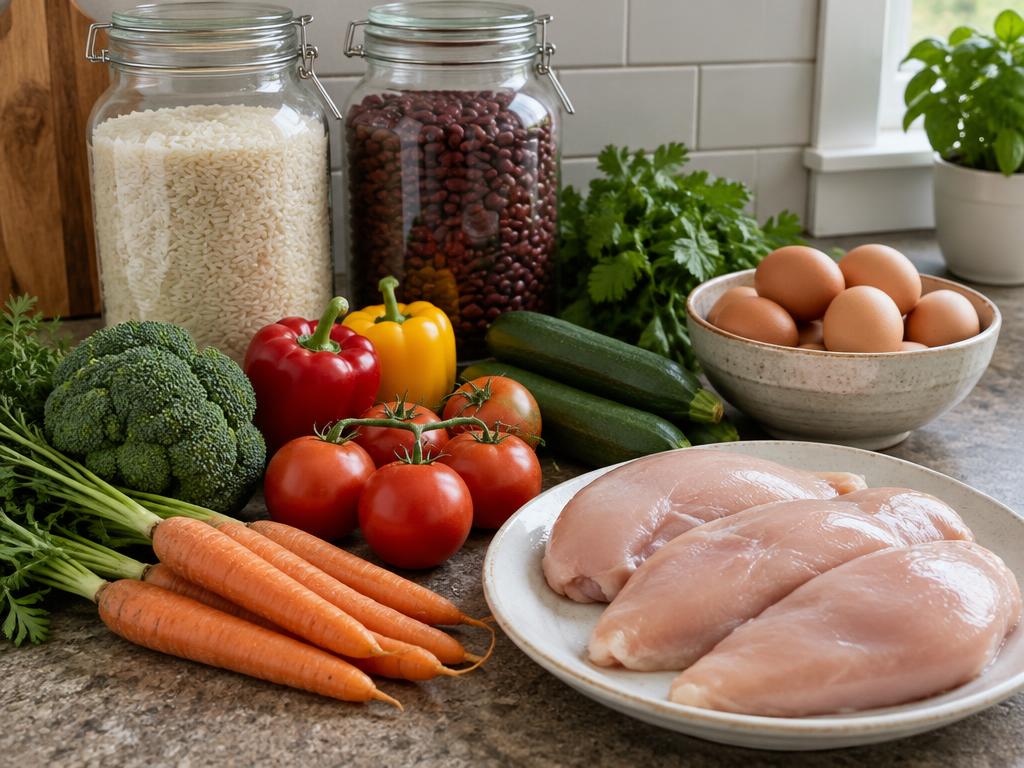
Rising grocery prices make planning more important than ever. This plan uses overlapping ingredients so nothing goes to waste.
Build around cheap staples
Rice, beans, lentils, eggs, oats, potatoes, cabbage and frozen vegetables.
Cook once, eat twice
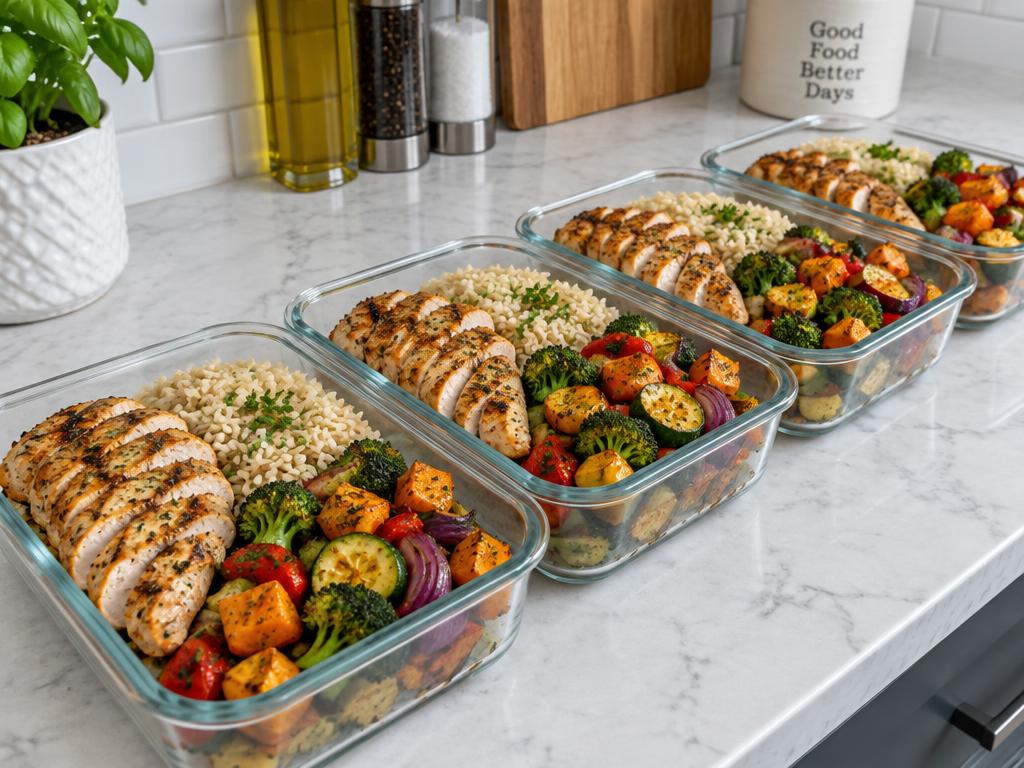
A whole roast chicken becomes dinner, then tacos, then soup stock.
Sample week
Mon: chicken & veg; Tue: chicken tacos; Wed: lentil soup; Thu: egg fried rice; Fri: homemade pizza; Sat: bean chili; Sun: leftovers night.
Reduce waste
Shop your fridge first, freeze bread and herbs, and use 'first in, first out'.
Set a realistic boundary around the seventy-five-dollar target
Treat seventy-five dollars as a planning ceiling to test against local prices, not a guaranteed national price for feeding four people every meal. Household appetites, regional food costs, dietary needs, and existing pantry supplies all change the result. Start by deciding what the budget covers: seven dinners, or breakfasts, lunches, snacks, and dinners as well. List oil, seasonings, coffee, and other staples honestly. A plan that relies on ingredients already in the cupboard should say so rather than quietly counting them as free food.
For an illustrative allocation, reserve twenty dollars for protein foods, fifteen for grains and potatoes, twenty for vegetables and fruit, ten for dairy or a suitable alternative, and ten as a buffer. These are spending limits to revise in the store, not quoted prices. If eggs are expensive locally, move more of the protein allocation toward lentils or beans. If you need to buy cooking oil that week, reduce another category or acknowledge that the total will be higher. A visible tradeoff is more useful than an unrealistic promise.
Separate checkout cost from the cost of food used. A large bag of rice may provide inexpensive servings while still taking a significant share of this week's cash. For a strict cash budget, buy sizes you can actually afford today. Save receipts and compare planned meals with what was eaten at the end of the week. Your own repeat purchases provide a more reliable benchmark than a hypothetical shopping cart that assumes every store has the same sale.
Assemble a flexible shopping basket with clear jobs
For four people, build a dinner-focused basket around foods with several uses: about 2 pounds (900 g) of dry lentils or beans in a mix you enjoy, a bag of rice, oats for breakfasts if included, several pounds of potatoes, a cabbage, carrots, onions, and frozen vegetables. Add a protein such as chicken or eggs only after checking local prices and the quantities required for your planned meals. These are building blocks, not a complete nutritionally calculated seven-day menu; scale them to appetites and other meals already covered.
Give each perishable ingredient at least two named uses. Cabbage can become crunchy taco topping and a warm skillet side. Carrots can roast for dinner and bulk out lentil soup. Plain yogurt can accompany breakfast and become a savory topping for potatoes. A bunch of herbs is less economical if most of it wilts unused; choose one herb with multiple uses, or use a pantry spice you already like. Compare frozen vegetables by edible weight, especially when fresh produce includes substantial trimming waste.
Keep a short substitution ladder on the list. If chicken exceeds your limit, choose additional beans and a smaller package of meat rather than abandoning the entire menu. If fresh peppers are expensive, use carrots or a frozen blend in cooked dishes. Check labels on canned beans and tomatoes for package size and sodium if that matters to your household. Drain or rinse as appropriate. Shop from the substitutions before adding unplanned convenience foods, which can use up the buffer without solving the meals you intended to prepare.
Map breakfasts and lunches before spending the dinner money
A dinner plan alone does not cover the week if breakfast and lunch will come from the same seventy-five dollars. Write those meals beside the dinner schedule. An inexpensive breakfast rotation might use oatmeal with fruit on several mornings and eggs with toast on others. The exact quantities depend on the family: measure what people normally eat, then multiply by the number of breakfasts. Include milk or an appropriate alternative, spreads, and fruit in the basket rather than discovering those omissions after checkout.
For lunches, reserve portions intentionally before serving dinner. A pot of lentil soup might supply four dinners and two lunches, but not four dinners and four large lunches unless the batch is sized for that yield. Use a ladle or measuring cup to learn how much your pot actually holds. Where leftovers will not stretch, plan bean sandwiches, baked potatoes with toppings, or another simple lunch using groceries already listed. Provide access to refrigeration or an insulated lunch bag with at least two cold sources for perishable packed meals.
Add room for realistic snacks, especially when feeding children or people with demanding activity levels. Fruit, yogurt, toast, and leftover cooked grains may fit, but they are still part of the food total. Avoid reducing portions merely to make the arithmetic look successful. If the full menu cannot meet your household's needs within the target, narrow the plan to dinners or raise the budget. Honest scope makes a budget tool usable; an undercounted shopping list shifts the cost into emergency trips and takeout.
Use a two-session cooking plan to protect food and time
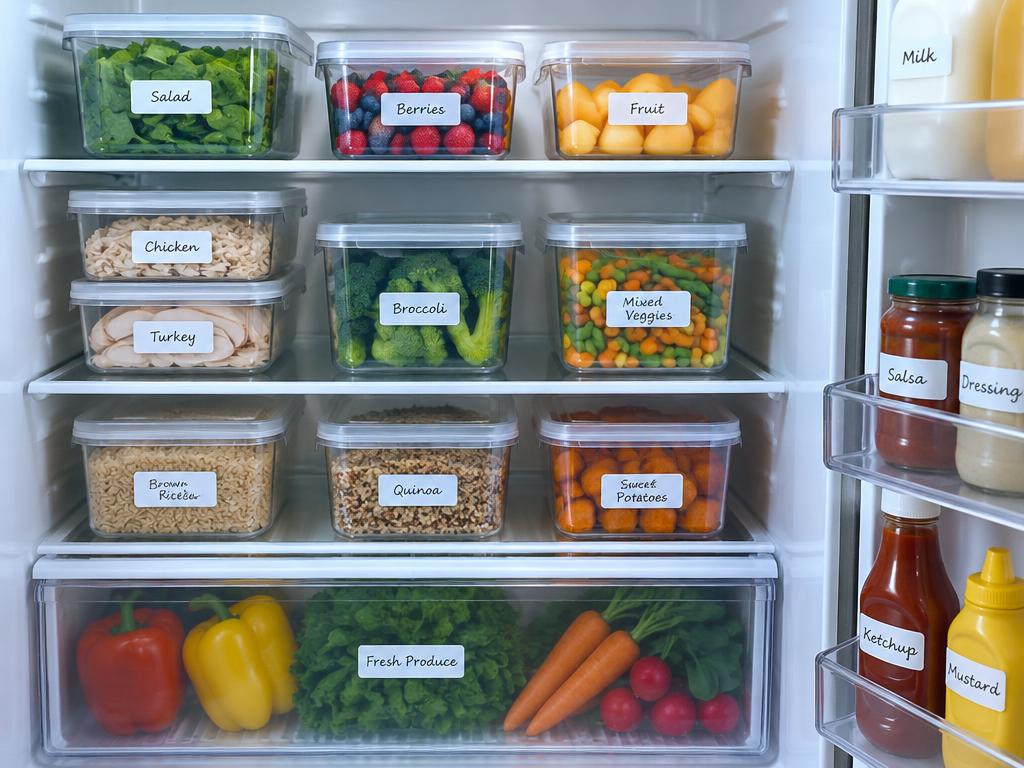
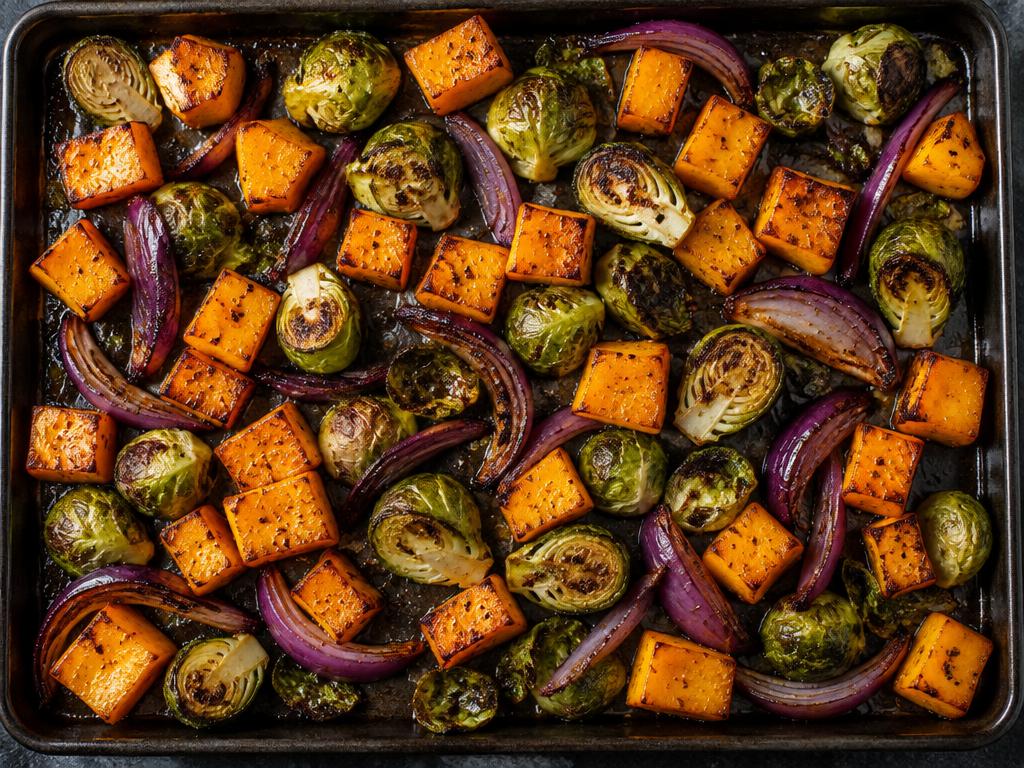
Schedule a main session on Sunday and a shorter reset on Wednesday. On Sunday, cook a pot of lentils or beans, prepare rice for early-week meals, and roast the vegetables you will eat soon. Portion only the next three to four days of cooked food for refrigeration at 40°F (4°C) or below. Freeze the rest promptly in meal-sized containers. A full week's worth of cooked chicken and rice should not sit in the refrigerator until the following weekend simply because it was prepared together.
Use Wednesday's reset to cook another grain batch, roast remaining sturdy vegetables, and move any needed frozen portions to the refrigerator. For example, freeze a portion of Monday's chicken promptly if you intend to use it in a later-week soup. Adding old chicken to newly cooked soup does not create a fresh storage window. Keep a visible label with the original cooking date, and use the oldest ingredient's limit when planning a mixed meal. Reheat leftovers to 165°F (74°C) throughout.
Prepare dried beans according to reliable package instructions, including appropriate soaking and boiling where required; do not assume a low-temperature slow cooker is suitable for every raw dried bean. Canned beans are a practical fallback when time or equipment is limited. Account for fuel, cleanup, and available freezer space as well as ingredient cost. A slightly more expensive ingredient that prevents a missed meal or a last-minute purchase can make the overall plan less costly and much easier to repeat.
Compare unit prices and usable portions instead of package appeal
A larger package is not automatically the better buy. Compare price per ounce or pound on shelf labels, then consider how much of the food you can use before it deteriorates. A whole chicken includes bones and skin; boneless meat has a different usable yield. Neither is universally cheaper per serving. If you buy a whole bird, weigh or estimate the cooked meat you actually recover, and count stock as a useful bonus rather than assuming it replaces another full meat meal.
Track a few frequently purchased staples rather than building an elaborate spreadsheet for every item. Write the package size, price paid, and meals supplied for rice, beans, oats, eggs, and whichever protein you buy most often. Calculate batch cost by adding the amounts actually used, including meaningful quantities of oil, cheese, sauces, and toppings, then divide by the number of portions the household really ate. This avoids calling an undersized bowl a bargain just because the recipe claimed an optimistic serving count.
Compare convenience by what it saves. Frozen chopped onions may be worthwhile if fresh onions repeatedly spoil or preparation time is limited. Individually packaged snacks may be less economical than portioning a larger package, but only when you will finish it. Use store brands and sales where they fit the plan, and skip promotions that require buying more than you can safely store. A discounted perishable item has no useful savings if it ends up discarded or forces you to crowd an already full refrigerator.
Create a deliberate rescue plan for the last two days
By Friday, inspect the inventory before choosing the next meal. Separate foods that are still within their safe storage windows from items that need disposal. Do not rely on smell to decide whether old leftovers are safe, and do not turn questionable cooked food into a soup in an attempt to rescue it. Check dates and handling history first. Safe, recently cooked vegetables can become a frittata or grain skillet; vegetables that were forgotten beyond the storage window are not budget ingredients anymore.
Maintain one low-effort reserve meal using shelf-stable or frozen foods. Canned beans, canned tomatoes, rice, and frozen vegetables can supply dinner without another trip. Keep that meal separate in your planning so you do not accidentally spend its ingredients earlier in the week. If using eggs in a casserole or skillet dish, cook the egg mixture to 160°F (71°C). Ground poultry needs 165°F (74°C), and reheated leftovers also need 165°F (74°C), measured with a thermometer rather than judged by surface bubbling.
At the week's end, record three things: groceries left, meals that needed extra food, and ingredients thrown away. Roll unopened pantry foods into next week's inventory before making a new list. Freeze extra bread while it is still good, and portion future cooked surpluses promptly rather than waiting for a crisis. If the total exceeded the target, identify the largest cause without blaming small pleasures automatically. An unrealistic yield, an unplanned restaurant meal, or a missing pantry staple may matter much more than the price of a single piece of fruit.
Key Takeaways
- Build around cheap staples: Rice, beans, lentils, eggs, oats, potatoes, cabbage and frozen vegetables..
- Cook once, eat twice: A whole roast chicken becomes dinner, then tacos, then soup stock..
- Sample week: Mon: chicken & veg; Tue: chicken tacos; Wed: lentil soup; Thu: egg fried rice; Fri: homemade pizza; Sat: bean chili; Sun: leftovers night..
FAQ
Are frozen vegetables as nutritious?
Yes — they're frozen at peak ripeness and are often comparable to fresh.
Found this helpful? Share it with a friend who loves to cook.
Tag us so we can see your creations.