Quick & Easy Meals
One-Pan Lemon Garlic Chicken and Vegetables (30 Minutes)
By Sarah Mitchell · October 14, 2026 · 7 min read
Jump to Recipe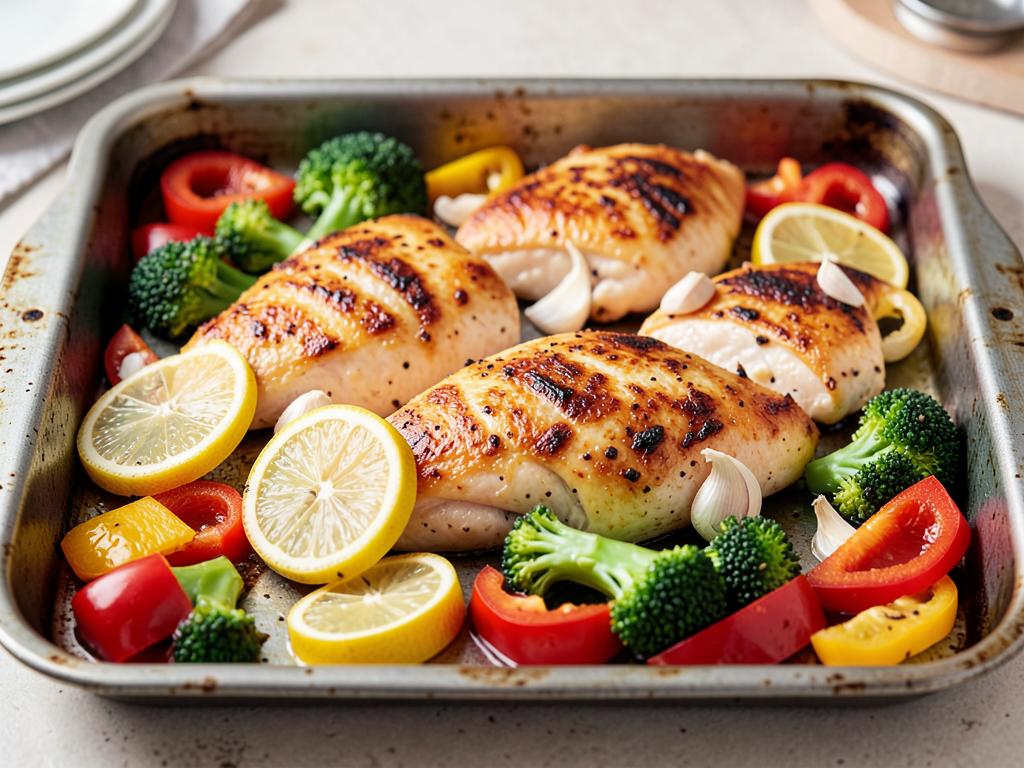
This is the dinner we make when the day has been long and the fridge is half-empty. One pan, bright flavors, and almost no dishes.
Why this recipe works
Pounding the chicken to an even thickness means it cooks in the same time as the vegetables — no dry edges.
Best vegetables to use
Broccoli, bell peppers, zucchini and red onion all roast in 20 minutes. Cut denser vegetables smaller.
Ingredient swaps
Use thighs for richer flavor (add 5 minutes), or swap lemon for lime and oregano for cumin.
Storage
Keeps 3–4 days refrigerated. Reheat in a 350°F oven or air fryer to keep the chicken juicy.
Build a pan that browns instead of braises
A rimmed metal half-sheet pan, roughly 13 by 18 inches, gives this dinner a better chance of browning than a deep casserole dish. Deep sides trap steam around the ingredients. A shallow rim contains juices while letting moisture escape. Start with a clean, dry pan, and place it on the middle oven rack so the chicken is not pressed close to either heating element.
Think of the vegetable quantity as a space requirement rather than an obligation to fit everything onto one tray. Four cups of broccoli plus peppers, onion, and chicken can overwhelm a smaller pan. Spread the vegetables first and check that much of the metal remains visible between pieces. If not, move some vegetables to a second tray rather than stacking them underneath the meat.
Parchment can simplify cleanup if its temperature rating permits 425°F (220°C), but bare metal usually gives more direct contact browning. Avoid a silicone mat when crisp vegetable edges are the priority. Do not pour water or broth into the tray at the beginning; chicken and vegetables release their own moisture. If drippings darken near the end, add a spoonful of water only to that spot, without flooding the entire surface.
Prepare chicken without spreading raw juices
For this recipe, thickness matters more than the number of breasts in the package. One very large breast may weigh as much as two smaller ones. Start with the stated 1½ pounds (680 grams), then divide thick pieces horizontally into cutlets if needed. Aim for portions of similar thickness so one person does not receive a dry, thin piece while another receives an undercooked center.
Place chicken inside a sturdy food-safe bag or between sheets of plastic wrap before pounding it gently. Work from the thicker end outward, using controlled taps rather than forceful blows that tear the flesh. Do not rinse raw chicken: splashing can spread bacteria around the sink and nearby counters. Blot excess surface moisture with disposable towels, discard them immediately, and wash your hands before handling seasonings or vegetables.
Prepare vegetables before opening the chicken package, or use a separate board and knife for the meat. Divide the seasoned oil into two bowls before touching raw poultry. That keeps the vegetable portion free from raw chicken juices. Any brush or bowl that contacts uncooked chicken needs washing before reuse. Reserve clean lemon wedges separately if you want a fresh squeeze at the table rather than using wedges that touched the raw meat.
Layer lemon flavor without a harsh sauce
Lemon zest, juice, and roasted slices contribute different things. Zest contains aromatic oils and gives the chicken a distinctly lemony smell without adding much liquid. Grate only the colored outer layer with a fine grater, turning the fruit as you work. The white pith underneath can introduce an unpleasant bitterness, especially if a thick layer ends up on the hot tray.
Juice brings acidity, but a large puddle beneath the chicken encourages steaming and dilutes the seasoned oil. Keep most additional juice for the finish. Thin lemon slices can roast alongside the vegetables; remove any seeds before cooking, and avoid piling the slices over the chicken if you want its upper surface to brown. Very thin exposed slices may darken before thicker pieces of chicken are ready.
Garlic needs protection from the same intense heat. Stir it thoroughly into the oil and spread that mixture over the food rather than leaving little heaps on bare metal. If a few garlic fragments turn black, leave them behind when serving instead of scraping them into the juices. For a gentler variation, roast a few lightly crushed, peeled cloves among the vegetables and mash them into the warm pan juices after everything is safely cooked.
Read the tray before the timer finishes
Begin checking the dinner several minutes before the earliest stated finishing time. An oven setting is a target, not a guarantee of the temperature around every piece of food. A heavily loaded tray, cold chicken, or unusually large broccoli stems can all change the schedule. Rotate the tray if one side colors noticeably faster, and inspect the vegetables without assuming that browned edges mean the chicken is ready.
Insert an instant-read thermometer sideways into the thickest part of each chicken portion, keeping the sensing area away from the pan. Poultry must reach 165°F (74°C). Color, clear juices, and a firm texture are not reliable substitutes for measuring. Wash the thermometer probe after contact with undercooked chicken before checking a finished piece or another food.
If vegetables finish first, transfer them with a clean utensil to a serving dish only if they have not been contaminated by undercooked poultry juices. Vegetables sitting in those juices should remain cooking until that contamination is safely addressed; the simplest approach is to keep them with the chicken until the affected food reaches 165°F (74°C). If chicken finishes first, move it to a clean plate and let the vegetables continue roasting. Rest the chicken briefly before slicing to reduce juice loss.
Fix pale vegetables and dry edges
Pale, soft broccoli usually points to moisture and crowding rather than too little seasoning. Next time, dry washed vegetables thoroughly, separate large florets, and use a second pan. During cooking, you can move crowded vegetables to another tray and spread them out, provided you continue cooking any food exposed to raw chicken juices safely. Merely extending the same crowded roast can dry the chicken without solving the steam problem.
If the chicken is already fully cooked but the vegetables need color, remove the chicken before continuing. A short additional roast is easier to control than putting the whole meal under a broiler. If you do broil vegetables, use a broiler-safe pan without parchment and watch constantly. Garlic and lemon slices can go from browned to bitter quickly under direct heat.
Dry chicken cannot be made uncooked again, but it can be served more pleasantly. Slice it thinly across the grain and spoon over a little warm broth mixed with clean lemon juice and olive oil. Avoid boiling the slices in the liquid, which tightens the meat further. For future batches, check smaller pieces individually and remove them as soon as they reach the safe temperature instead of waiting for the largest piece to finish.
Turn the tray into a balanced dinner
Because the pan already supplies protein and vegetables, a neutral starch is often the most useful addition. Couscous can hydrate while the chicken roasts; rice needs an earlier start unless it is already cooked. For four people, about 1 cup of dry couscous makes a practical starting quantity, following the package directions for liquid. Keep any warm grain covered so it stays fluffy until serving.
A cool sauce creates contrast without competing with the lemon. Stir plain yogurt with chopped dill, a little grated cucumber, and a pinch of salt. Make it in a clean bowl away from the raw-chicken prep area. Serve it alongside the chicken rather than pouring it over the tray, where it would soften the roasted vegetables and cool the meat before everyone sits down.
For a different flavor direction, replace oregano with dried thyme and add rinsed canned white beans to a separate vegetable tray near the end, allowing them to heat through. A small handful of olives can add saltiness, so taste before adding extra salt at the table. Avoid adding delicate spinach at the beginning of the roast; fold it into hot, safely cooked vegetables afterward so it wilts without becoming scorched or papery.
Plan tomorrow’s lunch before serving tonight
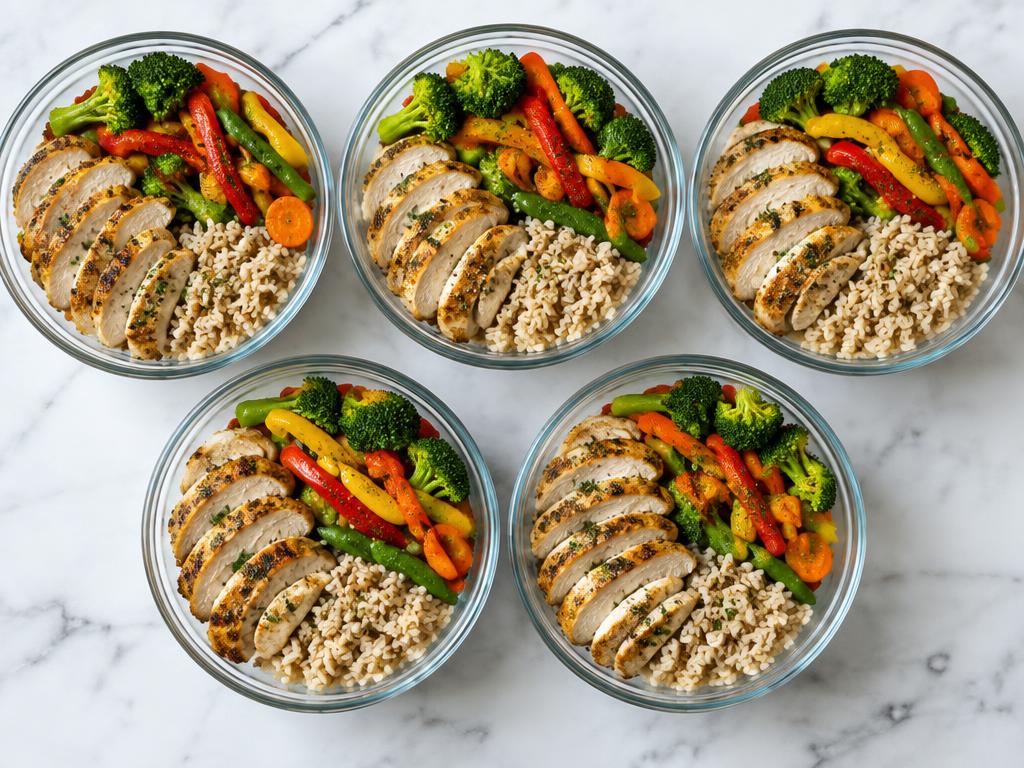
Separate the portions intended for leftovers before bringing the platter to the table. Put chicken and vegetables into shallow containers so heat can escape promptly, and refrigerate within two hours of cooking, or within one hour when the surrounding temperature exceeds 90°F (32°C). Keep the refrigerator at 40°F (4°C) or below. Do not leave a full sheet pan on the counter until it feels completely cold.
For best texture, store any yogurt sauce, fresh herbs, and cooked grains separately. The vegetables will soften as they sit, so plan to use them in wraps, chopped salads, or grain bowls rather than expecting freshly roasted crispness. Refrigerated cooked chicken should be used within three to four days. Freeze meal-size portions sooner if that window will not work for your schedule, labeling containers with the cooking date.
To reheat, place the chicken in a covered oven-safe dish with a small splash of broth and warm at 350°F (175°C), checking the center rather than relying on a fixed time. Leftovers should reach 165°F (74°C). Heat vegetables separately if you want to give them a drier finish. Reheat only what you need, and keep the remaining portions refrigerated rather than warming and cooling the entire batch repeatedly.
One-Pan Lemon Garlic Chicken and Vegetables (30 Minutes)
Ingredients
- 1.5 lb (680g) chicken breasts, pounded to 3/4 inch
- 4 cups broccoli florets
- 2 bell peppers, chopped
- 1 red onion, cut in wedges
- 3 tbsp olive oil
- 4 garlic cloves, minced
- 1 lemon, zested and sliced
- 1 tsp dried oregano
- 1 tsp salt, 1/2 tsp pepper
Instructions
- Heat oven to 425°F (220°C).
- Whisk oil, garlic, lemon zest, oregano, salt and pepper.
- Toss vegetables with half the mixture and spread on a sheet pan.
- Rub chicken with remaining mixture and nestle on the pan with lemon slices.
- Roast 18–22 minutes until chicken reaches 165°F (74°C).
- Rest 5 minutes and squeeze roasted lemon over everything.
Nutrition (per serving, estimated)
Calories 340 · Protein 38g · Carbs 14g · Fat 15g
Nutrition estimated using USDA FoodData Central values; actual values vary by brand and portion.
Key Takeaways
- Why this recipe works: Pounding the chicken to an even thickness means it cooks in the same time as the vegetables — no dry edges..
- Best vegetables to use: Broccoli, bell peppers, zucchini and red onion all roast in 20 minutes.
- Ingredient swaps: Use thighs for richer flavor (add 5 minutes), or swap lemon for lime and oregano for cumin..
FAQ
Can I use frozen vegetables?
Yes — roast them straight from frozen and add 5 minutes; they'll be softer.
Made this recipe? Rate it and share it on Pinterest!
Tag us so we can see your creations.