Healthy & Special Diets
15 Healthy Breakfast Ideas That Keep You Full
By Sarah Mitchell · August 30, 2026 · 8 min read
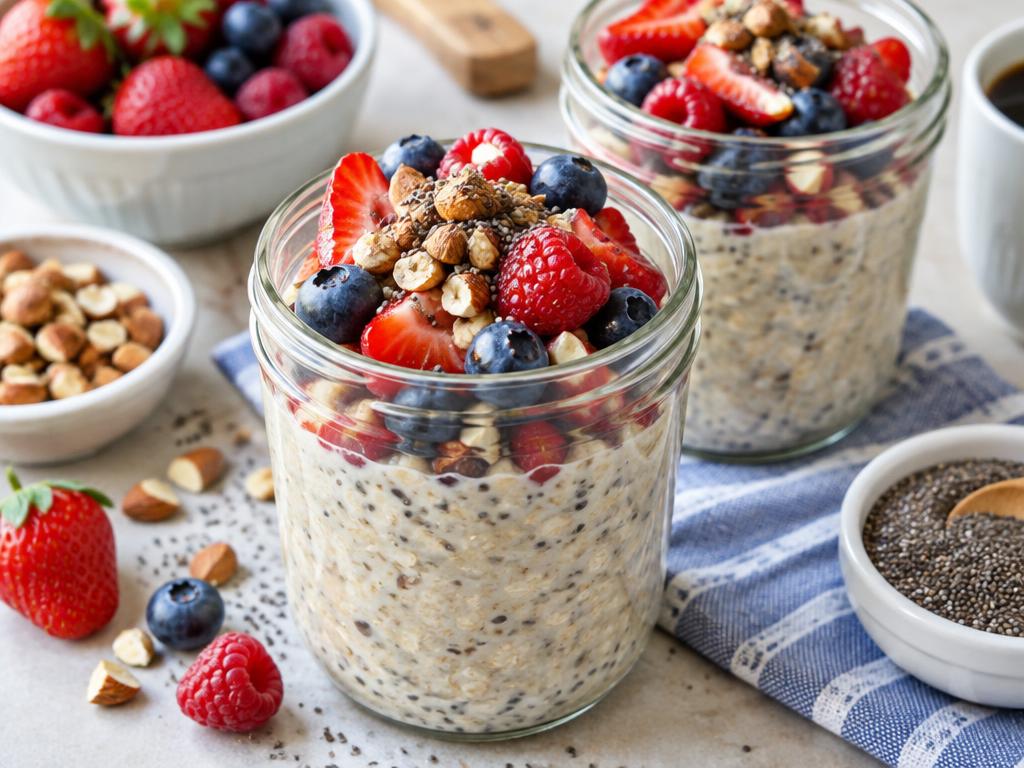
The best breakfast combines protein, fiber and healthy fat so you stay full until lunch.
Overnight oats
Oats, Greek yogurt, milk and chia seeds prepped the night before.
Veggie egg scramble
Eggs with spinach, peppers and feta in 10 minutes.
Smoothie formula
1 cup fruit, a handful of greens, a protein source and liquid.
Savory toast
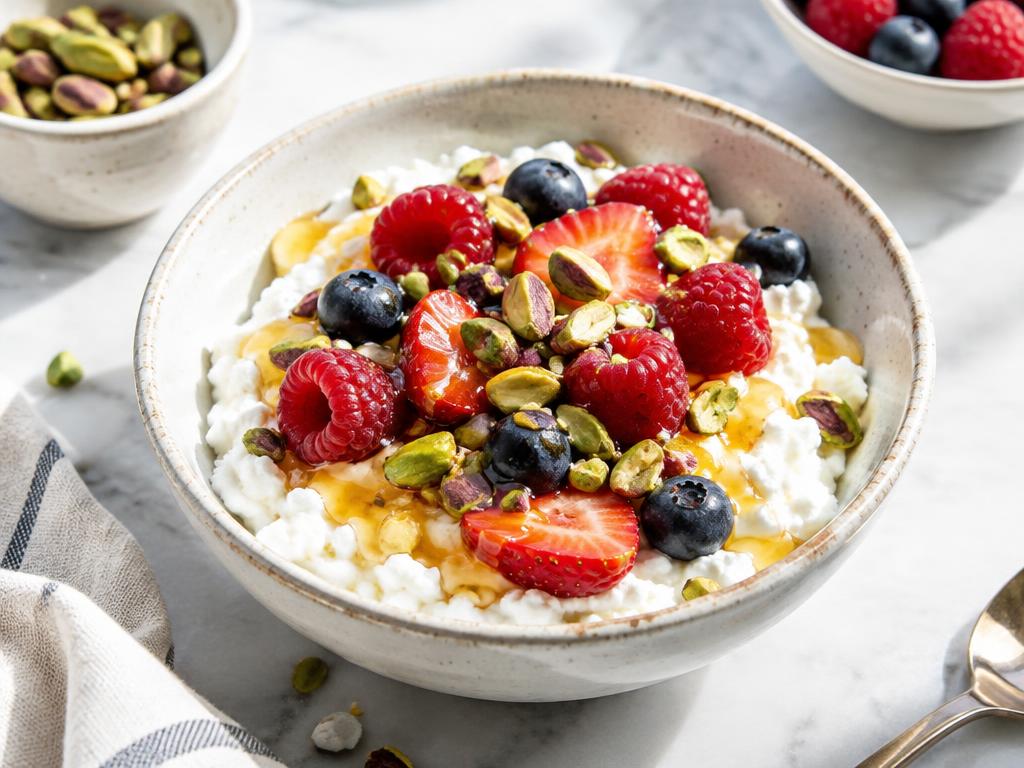
Whole-grain toast with avocado, eggs or whipped cottage cheese.
Choose Breakfast Around Your Actual Morning
A useful breakfast fits the time you have, the foods you enjoy, and your appetite after waking. Someone leaving home before dawn may prefer a small portable meal, while a person working from home may want a larger sit-down breakfast later. There is no single breakfast schedule that everyone needs to follow. Start by noticing when you become hungry and what your morning demands, then choose a realistic option instead of copying someone else's routine.
Build meals with a meaningful protein source, a fiber-containing food, and enough overall energy for your needs. This might mean beans with a tortilla and fruit, or yogurt with cereal and nuts. The combination can support satisfaction, but it does not guarantee that every person will stay full until lunch. Sleep, activity, portion size, medication, and individual appetite also matter. If you are hungry again, consider whether breakfast was simply too small rather than assuming you chose the wrong food.
People managing diabetes, pregnancy-related nausea, digestive conditions, or medications that must be taken with food may need specific timing or composition advice. A doctor or registered dietitian can help with those decisions. For everyone else, think of the ideas below as flexible options rather than rules. If eating early is difficult, a smaller first meal and a later snack may be more comfortable than forcing down a large plate before you are ready for it.
Five No-Cook Choices for Rushed Days
A yogurt parfait is a straightforward first option: combine plain dairy or soy yogurt with berries and a cereal you enjoy. Check the yogurt label if protein is a priority, since coconut and almond versions may contain little. A second option is cottage cheese with peaches or sliced tomatoes, served with whole-grain crackers. Choose fruit packed in juice or water when using canned fruit, and adjust sweetness to taste rather than assuming you need a heavily sweetened yogurt base.
For a third choice, spread peanut or sunflower seed butter on a whole-grain tortilla, add sliced banana, and roll it tightly. A fourth is a simple breakfast plate of hummus, whole-grain pita, cucumber, and fruit. Neither needs to be styled like a traditional American breakfast to be useful. Use an allergy-safe spread when needed, and include enough food for your appetite rather than treating a very small portion as a complete meal simply because it looks tidy.
The fifth option is a cereal-and-milk combination with a deliberate label check. Choose a cereal with whole grains and useful fiber, then pair it with milk or a fortified plant beverage that supplies meaningful protein if that is part of your goal. Add nuts or fruit as desired. Compare added sugars across similar products without assuming that zero sugar is the only acceptable choice. Keep the cereal dry until eating, particularly when packing breakfast for a commute or school drop-off.
Five Warm Breakfasts Beyond Eggs and Oats
First, microwave a small baked potato until tender, split it, and add warm black beans and salsa. Use leftover potato only if it has been stored safely. Second, make buckwheat porridge according to the package directions and serve it with milk or fortified soy milk, chopped pear, and walnuts. These breakfasts show how a familiar starch can become a more substantial meal when you include a protein-containing component and flavorful toppings rather than serving the base alone.
Third, sauté crumbled tofu with turmeric, garlic, and chopped vegetables, then serve it with bread or a tortilla. Add the seasoning in modest amounts and taste; turmeric adds color but does not replace salt, acidity, or other flavors. Fourth, warm leftover lentil soup and serve it with toast. Breakfast does not have to be sweet, and soup can be especially practical when you want something warm without preparing an entirely new dish from scratch before work.
Fifth, heat a bean-and-cheese quesadilla in a skillet until the tortilla is crisp and the filling is hot. Use a safe dairy-free alternative if necessary, recognizing that some substitutes provide little protein, so keep the beans substantial. Serve with fruit or vegetables according to preference. For all five ideas, cook fresh ingredients appropriately and reheat leftovers to 165°F. A warm breakfast can be quick, but rushing should not mean eating reheated food that remains cold in the middle.
Five Make-Ahead Options Worth Freezing or Refrigerating
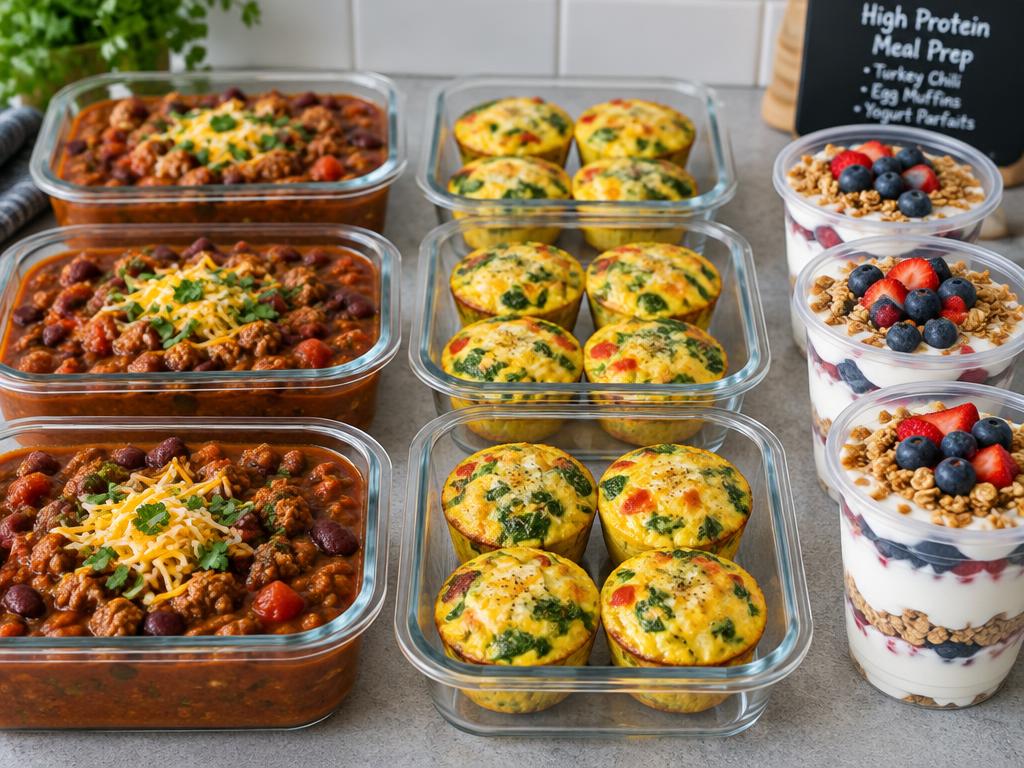
Breakfast burritos are one option: fill tortillas with cooked eggs or tofu, beans, and well-drained vegetables, then cool and wrap them individually. Skip watery toppings until serving so the tortillas do not become soggy. A second option is a tray of vegetable egg cups baked in a muffin pan. Cook egg dishes to 160°F, cool promptly, and refrigerate or freeze portions rather than leaving the tray on the counter for the rest of the morning.
Third, bake whole-grain waffles and freeze them with separators. Reheat until hot and serve with yogurt or nut butter and fruit for a more substantial meal. Fourth, prepare chia pudding using milk or fortified soy milk, then add fruit when serving. Chia thickens considerably, so stir well and allow enough time for hydration. Adjust the liquid to the texture you enjoy, and remember that the beverage you choose affects the meal's protein and other nutrient content.
Fifth, make a baked oatmeal dish with fruit and serve it in reheatable portions, adding yogurt or another protein-containing side as desired. This is different from cold overnight oats and may suit people who prefer a warm, cake-like texture. Refrigerate perishable prepared foods promptly at 40°F or below and use most cooked leftovers within three to four days. Freeze extra portions earlier if you will not finish them, label the contents and date, and reheat leftovers to 165°F before serving.
Read Breakfast Labels Without Getting Lost in Marketing
Start with the serving size, especially for granola, cereal, and packaged muffins. The amount you pour may be larger than the amount used for the Nutrition Facts panel. Compare similar foods using a similar portion, then consider protein, fiber, added sugars, and sodium together. A cereal with a little added sugar and substantial whole grains can still fit, while a product advertised as natural may not provide the nutrients you expect from its packaging or front-label claims.
Whole-grain wording is most useful when supported by the ingredient list. Look for whole oats, whole wheat, or another named whole grain among the main ingredients rather than relying on brown color. For yogurt, distinguish naturally occurring milk sugar from added sugars on the label. You can mix plain and sweetened yogurt if that makes a less-sweet option more enjoyable. Food choices do not have to jump from a familiar favorite to an unsweetened alternative overnight to be worthwhile.
Breakfast bars can serve as a backup, but their composition varies widely. Some are closer to a sweet snack than a complete meal. Pair one with milk, soy milk, yogurt, fruit, or another food if needed to make breakfast adequate. For plant beverages, examine protein and fortification rather than assuming all nondairy cartons are nutritionally interchangeable. If a product must also be gluten-free, nut-free, or otherwise allergy-safe, verify those requirements separately; a high-protein claim says nothing about whether it is safe for your particular needs.
Pack Breakfast for Commuting, School, or Shift Work
Choose foods that survive transport and are easy to eat where you will actually be. A tortilla roll, a sturdy sandwich, or a leakproof yogurt container may work better than a delicate open-faced meal. Separate wet and dry components when texture matters. Pack a spoon or napkin before bed, and keep a backup item in your bag when practical so an early meeting or delayed bus does not leave you with no realistic opportunity to eat.
Perishable breakfasts need temperature control. Use an insulated bag with adequate cold packs for yogurt, cooked eggs, tofu fillings, and other refrigerated foods. Keep them at 40°F or below, and do not leave them in a warm car. Hot foods should be kept at 140°F or above in an appropriate preheated insulated container. If safe holding temperatures cannot be maintained, respect the two-hour limit for perishable foods at room temperature, shortened to one hour when the surroundings exceed 90°F.
For shift workers, breakfast may happen in the afternoon rather than at sunrise. Plan around waking, work demands, and available breaks instead of judging the meal by the clock. If your workplace has only a microwave, test a portion at home so you know how to reheat it evenly and avoid cold centers. People whose work makes regular meals difficult may benefit from smaller planned eating opportunities. If symptoms or medication complicate the schedule, ask a healthcare professional for advice tailored to that routine.
Troubleshoot Hunger, Boredom, and Morning Food Waste
If breakfast leaves you hungry soon afterward, examine the whole meal. A small piece of fruit or a thin slice of toast may not provide enough energy, even though it can be part of a nutritious breakfast. Add a protein-containing food, increase the main portion, or include a satisfying side. Avoid assuming hunger is a lack of discipline. Bodies and schedules differ, and some people simply need another eating opportunity before lunch despite having a well-composed morning meal.
If you are bored, rotate formats before replacing every ingredient. The same beans can become a quesadilla, a potato topping, or a savory breakfast plate. Yogurt can accompany waffles one day and cereal another. Choose two dependable breakfasts for weekdays and leave more involved cooking for days when you want it. A short rotation often wastes less food than planning seven unrelated recipes that require several types of fresh fruit, multiple dairy products, and ingredients used only once.
Use a weekly check to identify what is consistently left behind. Freeze ripe banana pieces for later use, buy smaller yogurt containers if large tubs spoil, and store bread in the freezer when you cannot finish it fresh. Never use freezing to rescue food that is already spoiled. Persistent loss of appetite, unintentional weight change, or difficulty swallowing deserves medical attention rather than another meal-planning workaround. For ordinary busy mornings, aim for a breakfast you can prepare safely, afford regularly, and genuinely look forward to eating.
Key Takeaways
- Overnight oats: Oats, Greek yogurt, milk and chia seeds prepped the night before..
- Veggie egg scramble: Eggs with spinach, peppers and feta in 10 minutes..
- Smoothie formula: 1 cup fruit, a handful of greens, a protein source and liquid..
FAQ
Is skipping breakfast bad?
It depends on the person; focus on overall diet quality.
Found this helpful? Share it with a friend who loves to cook.
Tag us so we can see your creations.