Kitchen Gear Reviews
Best Air Fryers: What to Look For Before You Buy
By Sarah Mitchell · October 9, 2026 · 7 min read
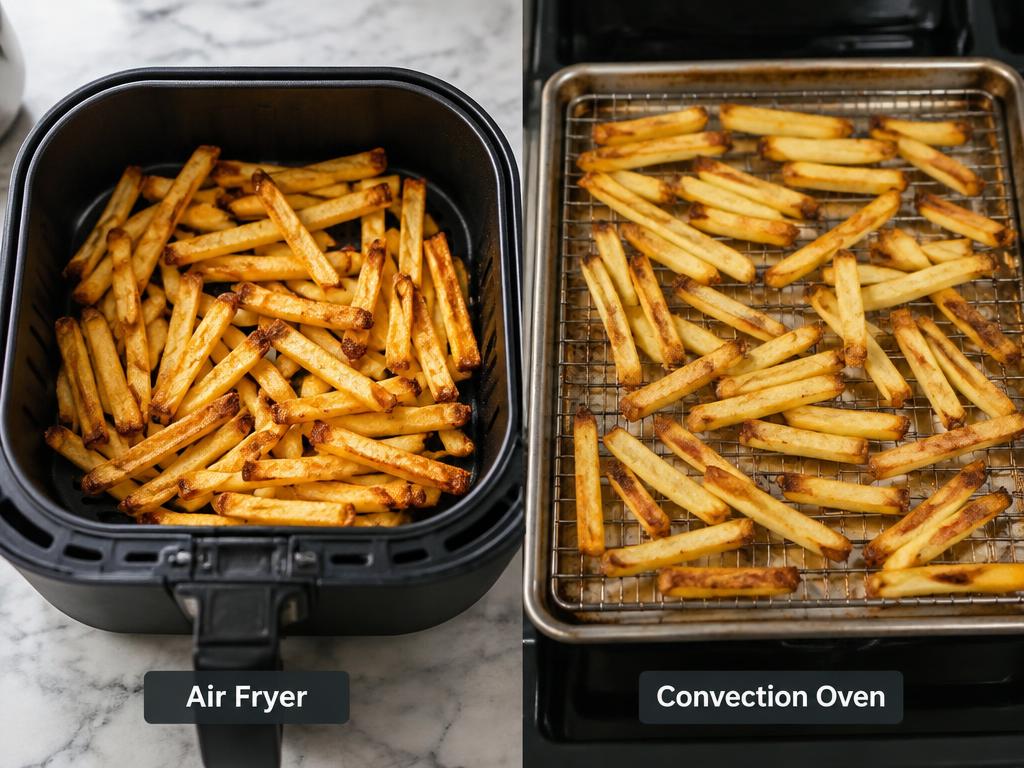
Air fryers are compact convection ovens. The right one depends on your household size, counter space, and what you cook most.
Basket vs. oven-style
Basket models crisp faster; oven-style units hold more and can toast and dehydrate.
Capacity
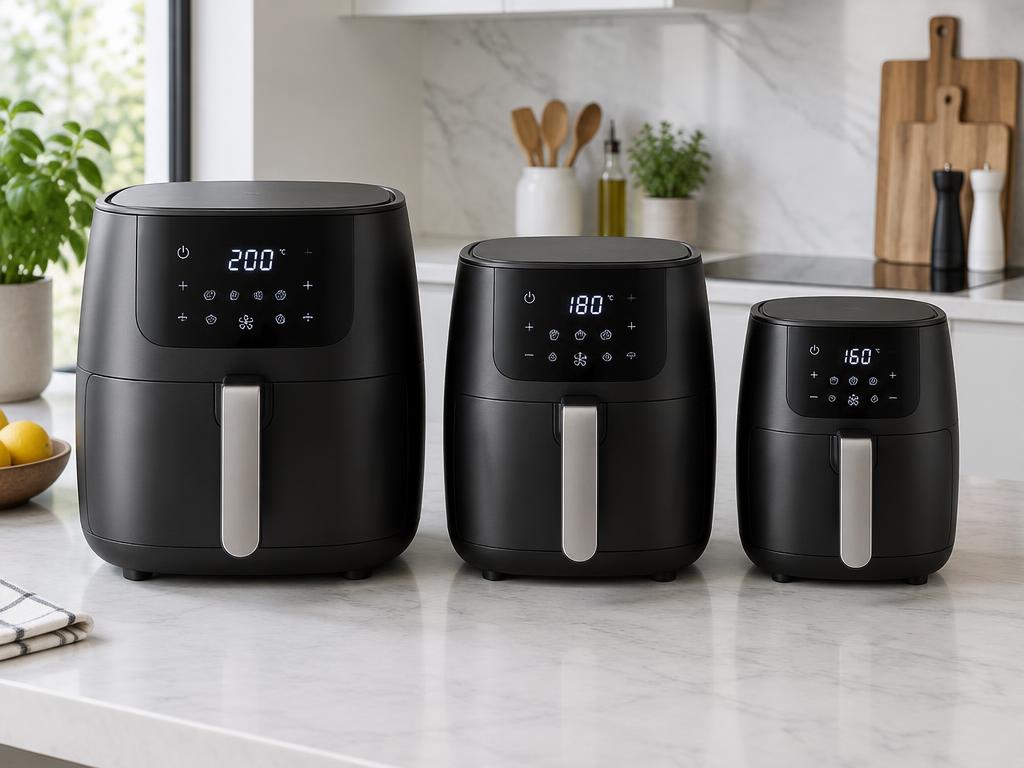
2–3 qt for one person, 4–6 qt for couples, 6+ qt or dual-basket for families.
Features that matter
Accurate temperature, a non-stick basket that's dishwasher-safe, and a shake reminder.
Features you can skip
Dozens of presets — most people use 'air fry' at a set temperature.
Measure the food footprint, not just the advertised volume
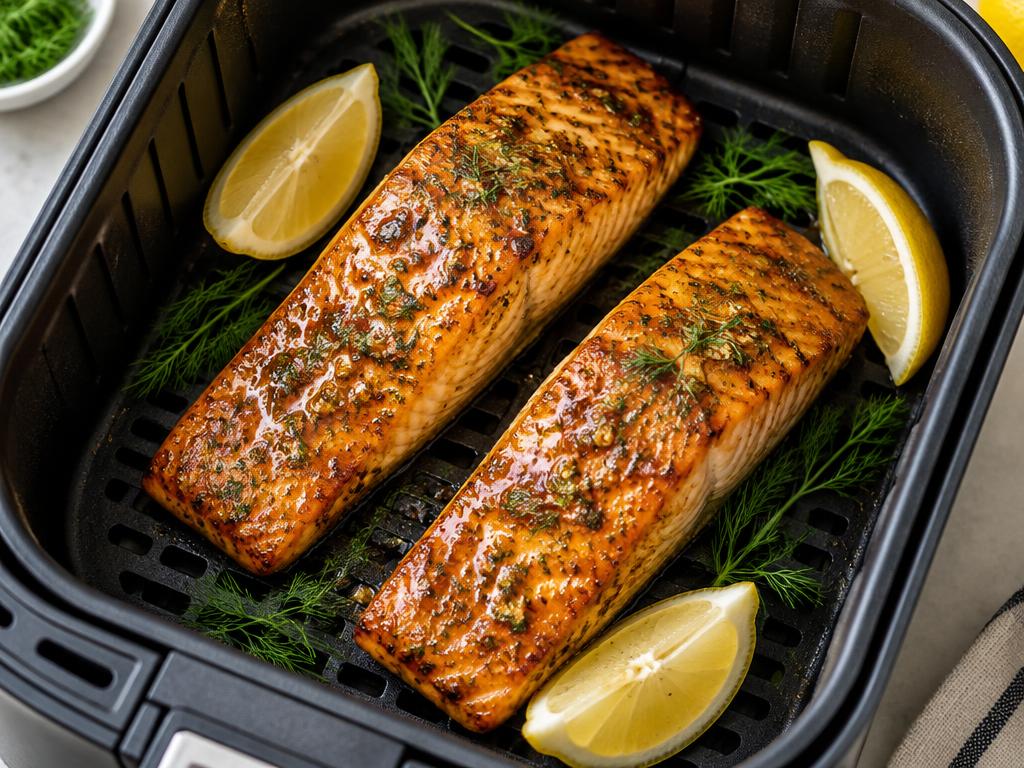
A tall basket can have an impressive quart rating without providing much room for a single layer of chicken or vegetables. Before buying, look for the usable basket dimensions or a clear photograph of its base. Compare that footprint with the foods you actually serve: two broad fish fillets need a different shape than a handful of small potato wedges. Rounded corners and sloping walls can further reduce the space available at the bottom.
Think through one complete dinner rather than an isolated snack. If your household wants both breaded chicken and roasted broccoli, decide whether you can cook them together without crowding, cook sequentially, or use another appliance for one component. Cooking multiple batches can erase the convenience that attracted you to a smaller machine. A larger basket only helps if it fits your counter and sink comfortably.
Dual drawers deserve particular scrutiny because their combined capacity is divided. A whole item that fits one broad basket may not fit either narrow drawer. Conversely, separate drawers can be useful when one diner wants a different seasoning or the foods require different temperatures. Check the current listing and manual for whether both drawers operate independently, how synchronized finishing works, and whether any advertised accessories reduce usable cooking space.
Make a safe landing zone before choosing a machine
Measure the location where the fryer will operate, including the clearance required by its manual. The appliance needs space for intake and exhaust airflow, not merely enough room to squeeze between other objects. Avoid placing the exhaust toward heat-sensitive finishes or using the unit inside an enclosed storage nook. Upper cabinets, nearby curtains, and stored packaging can all make an apparently convenient spot unsuitable for cooking.
Pulling out a hot drawer also requires a clear route and a heat-resistant landing surface. Imagine holding the loaded basket while someone else is working nearby. A door-opening oven design needs room in front, while a deep drawer may extend farther than expected. If you intend to store the fryer after every meal, consider whether its weight and shape make that realistic without lifting a warm or greasy appliance.
Check the electrical requirements against the outlet and the manufacturer's instructions. Do not assume a power strip or an extension cord is appropriate for a high-draw cooking appliance. Sharing a circuit with another heating appliance may cause problems even when both plugs physically fit. Keep the cord away from hot surfaces and the counter edge, and choose a position that does not require reaching across the exhaust to operate controls.
Judge controls by a normal weeknight routine
Useful controls make adjustments easy when your hands are busy and dinner is changing course. Look for readable temperature and time displays, straightforward pause and resume behavior, and settings that do not require repeatedly cycling through unrelated programs. A tactile dial may suit some cooks better than a touch panel; others value clearly labeled buttons. These are usability choices, not reliable signs that one machine cooks better than another.
Consider what happens when you open the drawer to turn food. Does the timer pause, does the appliance resume automatically, and can you add a little cooking time without resetting everything? Read the manual rather than guessing from a product photograph. An audible reminder is only useful if you can hear it in your kitchen, while loud button tones may be annoying in a shared home or during early breakfasts.
Connected features deserve a practical question: what task will they remove? A phone notification may help someone working in another room, but an app should not be necessary to set a basic cooking temperature. Check whether ordinary operation remains available without an account or wireless connection. Also consider accessibility, including display contrast and button size, before paying for a control system that looks impressive but complicates daily use.
Evaluate the cleanup path before the first meal
Inspect how the crisper plate comes out and whether the basket has seams, exposed fasteners, or tight corners that catch crumbs. These details affect how long cleanup takes after sticky marinades or breaded foods. A removable plate should be secure during cooking yet manageable once cool. Read care directions for each component separately: a dishwasher-safe basket does not automatically mean every insert or accessory belongs in the dishwasher.
Nonstick surfaces need gentler tools than bare metal. Use utensils appropriate for the coating, avoid abrasive scrubbers, and let hot parts cool before washing as instructed. If cooked-on residue remains, soften it using the manufacturer's recommended method rather than scraping aggressively. Check the current availability of replacement baskets and plates; being able to replace a worn component can matter more over time than an extra cooking preset.
The main housing and heating area need attention too, but they should never be immersed. Unplug the appliance and follow the manual for removing crumbs or grease near the element once everything is cool. Neglected residue can contribute to smoke and unpleasant flavors. If several people share kitchen chores, choose a design whose cleaning steps are simple enough that they will actually happen after dinner rather than being postponed indefinitely.
Match accessories to airflow and food behavior
An accessory can make a particular task easier while making ordinary crisping worse. Deep pans and solid liners block some airflow and change how moisture escapes. Before buying a bundle, identify a specific use for each piece and verify compatibility with the exact appliance. An insert that technically fits may still leave inadequate clearance around food or place it too close to the heating element.
Loose parchment presents a separate problem: a fan can lift it toward the heater. Follow the appliance's guidance on liners, and never preheat with unsecured parchment inside. Keep any permitted liner weighted by food and within the intended cooking area. Silicone inserts also need evaluation beyond their heat rating; a solid, high-sided insert may collect liquid under vegetables instead of allowing the drying that produces a browned surface.
Some foods need a different cooking method altogether. Loose wet batter can drip before it sets, and very lightweight ingredients may move in the airflow. Sauces containing sugar can darken before the food beneath is ready, so applying them near the end often works better. Buy accessories to support meals you already make, not to force every cooking task into the air fryer simply because an attachment exists.
Build a repeatable first-week cooking routine
Start with familiar foods so you can recognize what the appliance changes. Dry vegetables well, cut pieces to similar dimensions, and distribute a modest coating of oil over their surfaces rather than pouring oil into the basket. Leave gaps where practical, and turn or shake food when needed. Record the food quantity alongside time and temperature; the same setting can behave differently when the basket is much fuller.
Treat package directions and recipes as starting points, not promises. Check food earlier while learning the appliance, particularly with thin pieces or sugary coatings. For meat and fish, use an appropriate food thermometer and follow current safe internal-temperature guidance; browned breading alone cannot tell you whether the center is cooked. Keep raw-food utensils separate from the clean plate and utensils you will use for serving.
If results are pale, consider crowding and surface moisture before increasing the temperature. If the outside burns while the center lags, smaller or more evenly cut pieces and a lower setting may help. Troubleshoot one change at a time. A short note about basket load, turning, and doneness gives you more useful information for the next meal than repeatedly choosing a different preset and hoping it solves the problem.
Decide whether the purchase will earn its space
The strongest reason to buy an air fryer is a recurring job your current equipment handles inconveniently. That could be reheating a single portion of breaded food, cooking vegetables while the oven is occupied, or making lunch without heating a large cavity. List several meals from your actual week. If the appliance improves only an occasional snack, its storage and cleaning demands may outweigh its appeal.
Evaluate ownership costs without assuming the least expensive listing is the best value. Look at the warranty, return conditions, replacement-part availability, and whether the accessories you need are included. Product families can contain visually similar versions with different baskets or controls, so confirm the precise listing before ordering. Avoid relying on a model name alone when comparing dimensions or replacement parts across sellers and manufacturing revisions.
Finally, distinguish a useful complement from a redundant appliance. Someone with a compact convection toaster oven may gain little from another countertop cooker, while a person with only a large range oven may appreciate the smaller cooking space. Renting, sharing a kitchen, or having limited hand strength can change the answer as much as household size. The best choice is the one that fits your food, workflow, and maintenance habits consistently.
Comparison
| Type | Best for | Capacity | Typical price |
|---|---|---|---|
| Compact basket | 1–2 people | 2–4 qt | $50–80 |
| Large basket | Families | 5–7 qt | $90–150 |
| Dual basket | Two dishes at once | 8–10 qt | $150–200 |
| Oven-style | Batch cooking, toasting | 10–25 qt | $120–250 |
Pros
- Fast preheat and cooking
- Crispy results with less oil
- Doesn't heat the kitchen
Cons
- Limited capacity
- Takes counter space
- Can be noisy
Key Takeaways
- Basket vs. oven-style: Basket models crisp faster; oven-style units hold more and can toast and dehydrate..
- Capacity: 2–3 qt for one person, 4–6 qt for couples, 6+ qt or dual-basket for families..
- Features that matter: Accurate temperature, a non-stick basket that's dishwasher-safe, and a shake reminder..
FAQ
Are air fryers healthier?
They use much less oil than deep frying, which reduces fat and calories.
Found this helpful? Share it with a friend who loves to cook.
Tag us so we can see your creations.