Kitchen Gear Reviews
Instant Pot Buying Guide: Which Model Is Right for You?
By Sarah Mitchell · September 2, 2026 · 7 min read
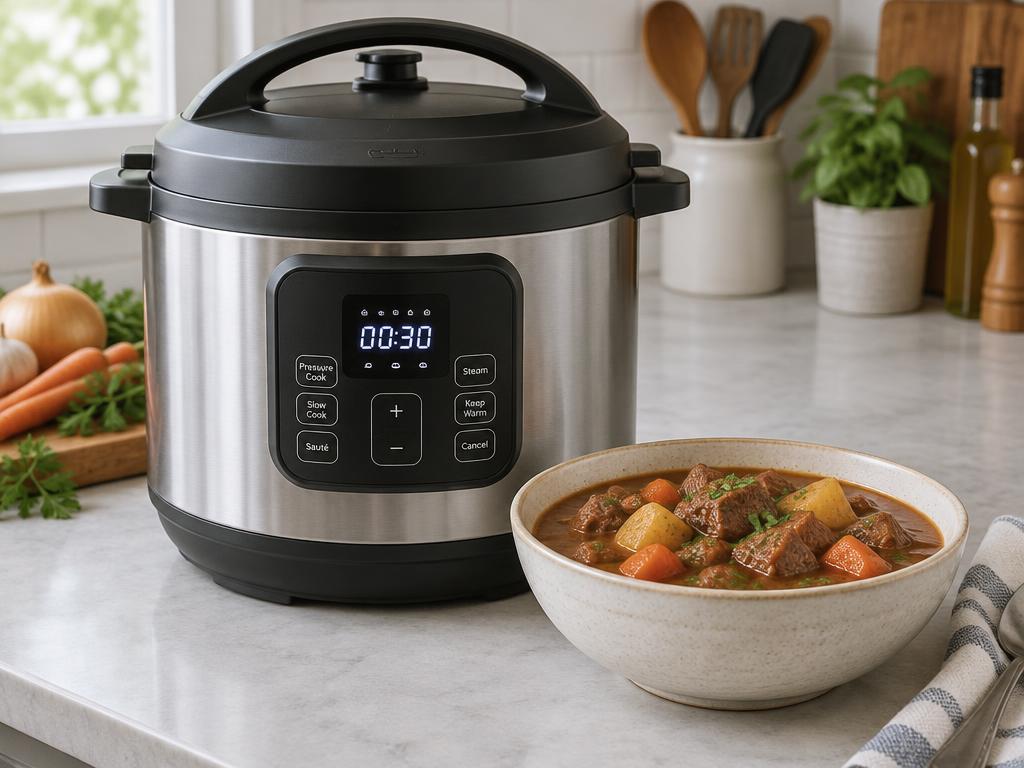
Electric pressure cookers turn tough cuts tender and dried beans creamy in a fraction of the time.
Size
3-qt for 1–2 people, 6-qt for most families, 8-qt for batch cooking.
Key features
Pressure cook, sauté and slow cook matter most; yogurt and sous vide are bonuses.
Safety
Modern models have multiple pressure safety mechanisms; always follow the manual.
Compare exact functions instead of program counts
A pressure cooker listing can advertise many cooking programs without offering equally many distinct capabilities. Several buttons may simply provide suggested times and pressure settings for familiar foods. Start with the tasks you want to perform, then read the current manual for the exact version under consideration. Product families change, and a similar-looking panel does not guarantee identical temperature options, lid behavior, or compatible accessories across different revisions.
For pressure cooking, convenient manual adjustments matter more than having a dedicated button for every ingredient. Check how you set time, select any available pressure levels, cancel a cycle, and disable automatic warming if desired. If you want yogurt or a temperature-controlled specialty function, verify that it is explicitly included and understand how the process works. Do not assume a general warm setting can substitute for a missing food-preparation mode.
Combination appliances deserve an additional practicality check. Extra lids, heating attachments, or inserts may expand what the unit can do, but they also require storage and cleaning. Ask whether the combined appliance replaces equipment you actually use or merely adds another complicated workflow. A simpler pressure cooker can be the better choice when beans, grains, soups, and braises are the main jobs, even if a more elaborate version has a longer feature list.
Distinguish nominal volume from safe recipe yield
The pot's stated capacity is not the amount you can fill with every recipe. Pressure cooking requires headspace, and ingredients that foam or expand need particular attention. Read the manual's maximum-fill rules for both general cooking and expanding foods such as beans or grains. Treat marked limits as safety boundaries rather than goals to approach whenever you want one more serving from a batch.
A larger pot does not automatically make small recipes better or faster. It may require different minimum liquid amounts and can take a different amount of time to reach pressure. Look for recipes developed for the capacity you intend to buy. If you regularly cook tiny portions, consider whether smaller batches will work within the manufacturer's requirements without producing more leftovers than you can safely store and realistically eat.
For batch cooking, think beyond what fits in the pot. You need suitable containers, refrigerator space, and a plan to cool food promptly after cooking. A large volume of soup or beans can be inconvenient if you have nowhere to divide it for storage. Plan the portions you will refrigerate or freeze before starting. Choosing capacity around usable meals and safe handling is more useful than selecting the biggest pot your counter can accommodate.
Read the full timeline from sautéing to serving
The programmed pressure-cooking time is only one stage of dinner. Preparing ingredients, browning in batches, bringing the contents to pressure, releasing pressure, and finishing the sauce can all add time. Recipes with a large quantity of cold liquid or dense ingredients may behave differently from a small warm batch. Compare complete workflows rather than expecting a short time on the display to equal a short wait until serving.
Natural pressure release can be part of the cooking process rather than an optional delay. It may help protect texture and control foaming for recipes that need it. Follow the recipe and manual for the release method instead of choosing the fastest option automatically. If a dish requires a long release followed by reduction with the lid off, start it earlier or choose a different meal on a tightly scheduled evening.
Pressure cooking is often most useful when it replaces a long, relatively moist cooking task, not when it competes with a quick sauté. Delicate vegetables and thin fish may cook rapidly enough by conventional methods that pressurizing adds inconvenience. A tough cut of meat or dried beans can make better use of the enclosed environment. Build your buying decision around those recurring tasks rather than assuming every dinner becomes faster inside the pot.
Understand liquid requirements and sauce finishing
Pressure depends on generating steam, so sufficient suitable liquid is essential. The amount and type required depend on the appliance and recipe. Thick purées, dense sauces, and mixtures with substantial starch may scorch before enough steam develops if handled incorrectly. Follow a reliable pressure-cooker recipe and the manufacturer's minimum-liquid guidance rather than translating a stovetop dish by intuition alone, especially during your first several uses.
After sautéing, browned deposits on the bottom need to be loosened as directed before pressure cooking. This deglazing step both incorporates flavor and helps avoid a scorched base. Some recipes specify layering ingredients without stirring because the arrangement affects scorching risk. Respect those instructions rather than mixing everything together out of habit. Dairy, flour-thickened sauces, and other additions may belong after pressure cooking, depending on the recipe and appliance guidance.
Unlike an uncovered simmer, the sealed stage does not allow much evaporation. A finished braise may therefore need reduction or another appropriate thickening step after pressure is safely released. Remove delicate or fully cooked ingredients first if continued simmering would overcook them. Consider this finishing work when judging convenience: a pressure cooker can tenderize efficiently, but it does not automatically produce the final sauce consistency you would get from a long uncovered reduction.
Inspect the lid and pressure-release workflow
Before buying, review the lid instructions closely enough to understand normal operation. You should be able to identify the sealing ring, steam-release control, float indicator, and any other parts the manual requires you to inspect or clean. Different versions arrange these components differently. Choose an interface you can read and operate confidently rather than assuming a more automated-looking lid removes the need to understand the pressure system.
Steam release needs a safe location with clearance as directed by the manufacturer. Keep hands and face away from the steam path, and do not place the cooker where exhaust will strike cabinets or people passing nearby. Never cover the release valve with a towel or improvise a steam-diverting setup unless explicitly approved. Release foamy or starchy foods only by the method the recipe and manual permit to reduce the risk of hot contents escaping.
Never force the lid open. Follow the manufacturer's indicators and opening procedure, and wait until pressure has fully released as instructed. If something seems wrong, stop and consult the manual rather than trying to defeat a lock or valve. Safety features support correct operation; they do not replace it. For secondhand appliances, missing manuals, damaged parts, uncertain repair history, or unavailable compatible replacements are good reasons to decline the purchase.
Budget for cleaning and replaceable components
The removable inner pot is only part of cleanup. The lid, sealing ring, steam components, and condensation collection areas may also need attention according to the manual. Food residue can interfere with normal operation, so cleaning is more than a cosmetic concern. Read whether parts are dishwasher-safe individually, how they should be disassembled, and how to reassemble them correctly before deciding that the appliance fits your daily routine.
Sealing rings can retain food aromas and eventually need replacement when worn or damaged. Some cooks keep separate compatible rings for strongly savory foods and milder preparations, but verify that any replacement is approved for the exact appliance. Do not rely on a part that merely appears close in size. Check the availability of rings, inner pots, and other user-replaceable components before purchase, especially for an older or discounted version.
Protect the base from water and never immerse electrical components. Dry the exterior of the inner pot before placing it back in the housing, following the manufacturer's instructions. Store the appliance in a way that keeps its parts clean and allows drying; the manual may recommend a particular lid position. Straightforward access to the ring and valve components can matter more over years of ownership than an extra program you rarely select.
Set boundaries for specialty cooking and meal prep
An electric pressure cooker should not be treated as a pressure canner simply because it seals and reaches pressure. Safe shelf-stable canning requires appropriate equipment and validated procedures for the specific food and container. Use current USDA or extension guidance rather than improvising a canning cycle on a multicooker. This distinction matters especially for low-acid foods, where an unsafe process can create risks that appearance and smell will not reliably reveal.
Likewise, keep-warm mode is not a substitute for every storage or reheating task. Follow the appliance instructions and food-safety guidance, verify safe holding temperatures where relevant, and do not assume a large chilled batch will reheat safely on a warming setting. After cooking, divide leftovers into appropriate shallow containers and refrigerate promptly. Reheat leftovers to 165°F using a suitable method, checking temperature rather than relying on a lit indicator.
Finally, choose a realistic first set of meals before buying. A dependable bean recipe, a braise, and a grain or soup you make regularly will reveal whether the cooker solves genuine problems. If your preferred meals depend on crisp surfaces and quick last-minute adjustments, other cookware may remain more useful. The right purchase is a pressure cooker whose capacity, upkeep, and cooking process support your routine, not the one promising to replace the most appliances.
Comparison
| Size | Serves | Best for |
|---|---|---|
| 3 qt | 1–2 | Small kitchens, sides |
| 6 qt | 3–5 | Most households |
| 8 qt | 6+ | Batch cooking, stock |
Pros
- Dramatically faster braises and beans
- One-pot cleanup
Cons
- Pressure-up time adds 10–15 min
- Bulky
Key Takeaways
- Size: 3-qt for 1–2 people, 6-qt for most families, 8-qt for batch cooking..
- Key features: Pressure cook, sauté and slow cook matter most; yogurt and sous vide are bonuses..
- Safety: Modern models have multiple pressure safety mechanisms; always follow the manual..
FAQ
Is it the same as a slow cooker?
It can slow cook, but its main strength is pressure cooking.
Found this helpful? Share it with a friend who loves to cook.
Tag us so we can see your creations.