Quick & Easy Meals
20 Quick Weeknight Dinners Ready in 30 Minutes
By Sarah Mitchell · September 12, 2026 · 7 min read
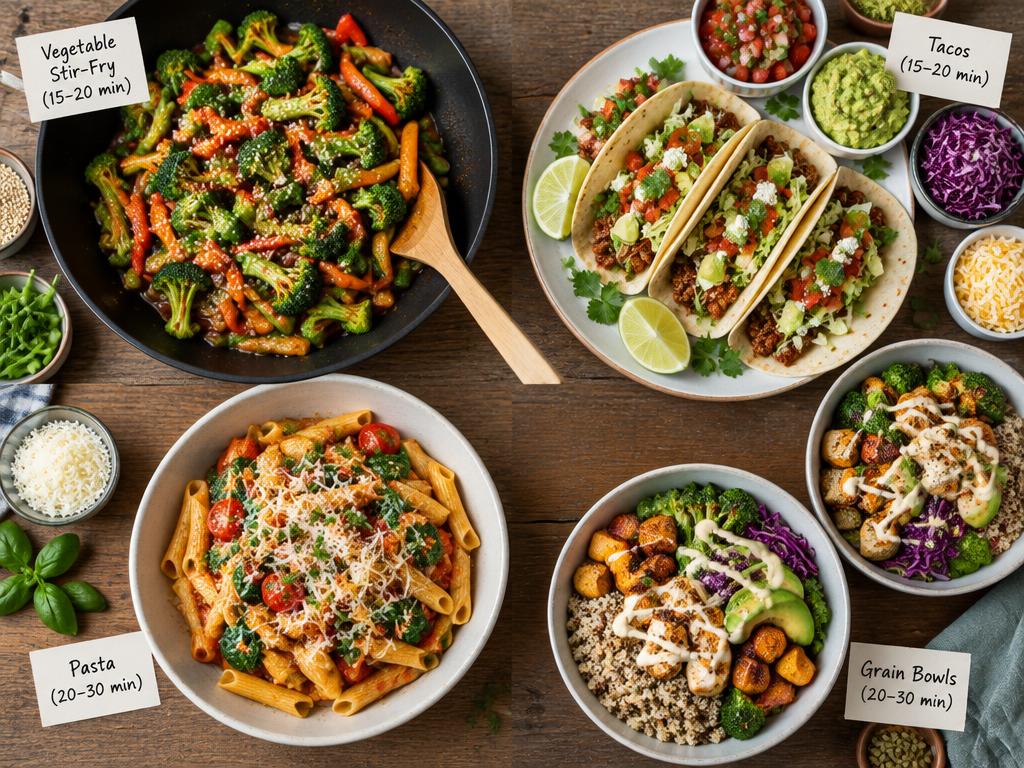
A good weeknight dinner is fast, uses what you have and doesn't leave a mountain of dishes. These are our go-to formulas.
Stir-fries
Prep everything before you turn on the heat; cooking takes under 10 minutes.
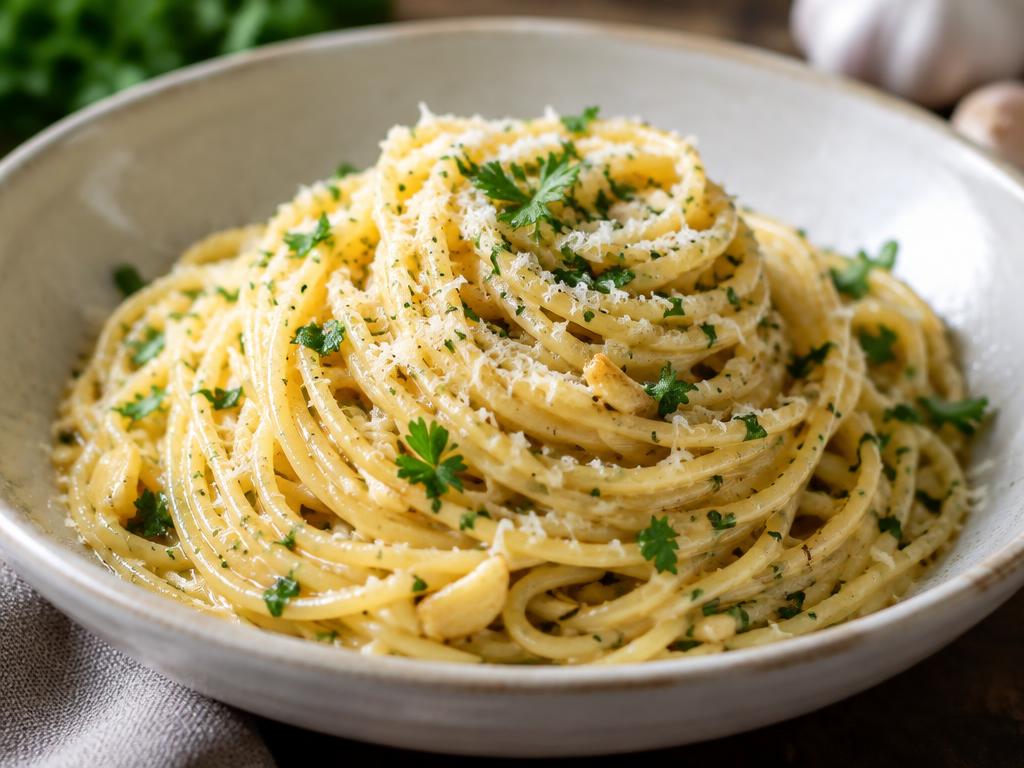
Pasta
Garlic butter pasta, baked feta pasta and pesto pasta with peas.
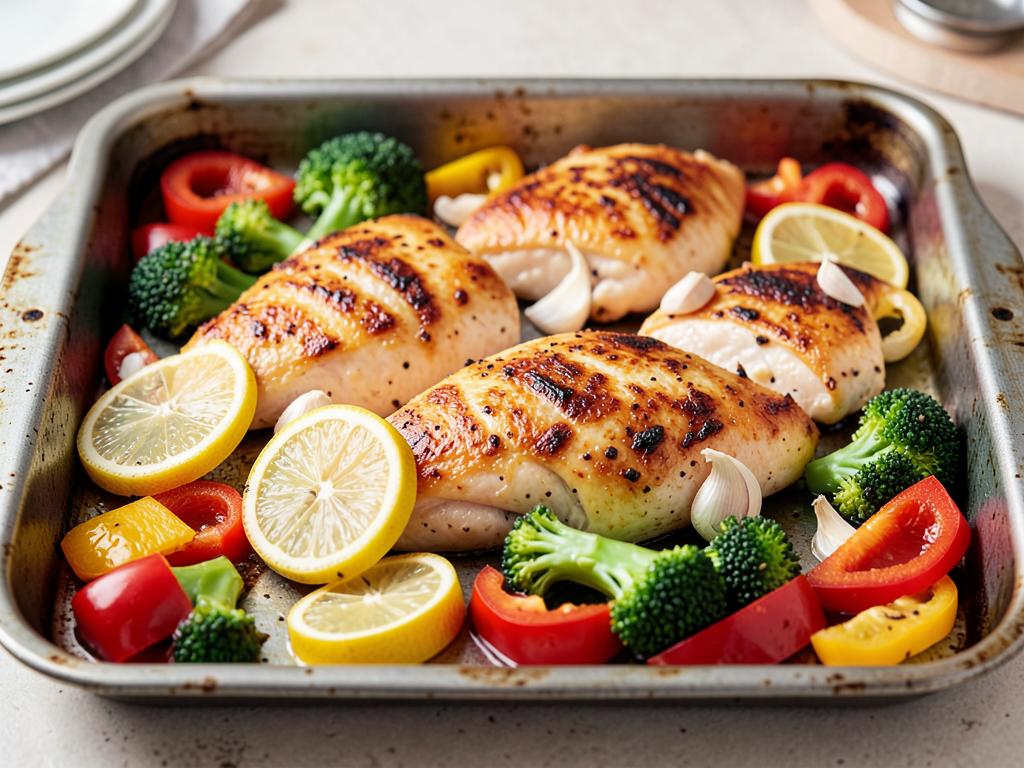
Sheet pans
Lemon garlic chicken, sausage and peppers, or gnocchi with vegetables.
Bowls and tacos
Use leftover grains and quick-cooked proteins for endless combinations.
The 30-minute mindset
Start water boiling and the oven preheating the moment you walk in.
Audit the clock before choosing dinner
A recipe’s cooking time is not always its total time. Before choosing tonight’s meal, count thawing, chopping, water heating, appliance preheating, and any resting period. A dinner that roasts for twenty minutes can still take forty if the vegetables need peeling and the chicken is frozen. Choose a recipe that fits the state of your ingredients, not just the number printed beside its title.
Use the first two minutes for a quick reality check. Identify the longest task and start it first, whether that is heating a pot, cooking rice, or preheating an oven. Then gather the remaining ingredients and equipment. If an essential component is missing, substitute before cooking starts rather than abandoning a hot skillet halfway through to search the pantry.
A useful thirty-minute sequence is five minutes of setup, ten minutes of overlapping prep and initial cooking, ten minutes of finishing, and five minutes for final seasoning and serving. This is a planning framework, not a guarantee for every appliance or skill level. Give yourself more time when learning a new knife technique or handling unfamiliar seafood. Speed should come from reducing unnecessary steps, not from ignoring safe temperatures, rushing raw-poultry cleanup, or using heat so high that food scorches before its center cooks.
Keep a small set of genuinely useful shortcuts
A practical quick-dinner pantry contains components that can become several different meals. Keep a few cans of beans, canned tomatoes, quick-cooking noodles, broth, and a grain you enjoy. In the freezer, plain vegetables are more adaptable than heavily sauced mixtures. Buy small quantities that you will actually rotate through rather than collecting specialty ingredients for imagined emergencies.
Convenience ingredients work best when you understand what they replace. Bagged slaw eliminates shredding for tacos, while trimmed green beans reduce vegetable prep. Microwave-ready rice replaces a long grain-cooking step, but it still needs heating according to the label. A jarred sauce replaces sauce-making, not necessarily seasoning: taste the complete dish before adding salt, especially if broth, cheese, or cured meat is also involved.
Keep one flexible refrigerated flavor booster, such as pesto or plain yogurt, and use it across the week within its labeled storage guidance. Pesto can coat potatoes or noodles; yogurt can become a lemon sauce or a taco topping. Check allergen labels rather than treating shortcuts as interchangeable. Pesto commonly contains nuts and dairy, and some sauces contain wheat or fish. Choosing a shortcut should simplify the meal without introducing an unnoticed dietary problem for someone at the table.
Four fast skillet dinners with distinct textures
For turkey lettuce cups, cook 1 pound (450 grams) ground turkey in a wide skillet, breaking it into small pieces. Add finely chopped mushrooms early so their moisture can evaporate, then finish with ginger and a modest splash of soy sauce. Ground poultry must reach 165°F (74°C). Spoon into washed lettuce leaves and add shredded carrots. The filling can be hot while the leaves stay cool and crisp.
For chickpea tomato skillet bowls, soften a small chopped onion, add a drained can of chickpeas and a can of crushed tomatoes, and simmer until the sauce thickens enough to cling. Season with cumin and smoked paprika, then serve with quick couscous. For black bean quesadillas, mash drained beans with salsa, spread thinly inside tortillas with grated cheese, and cook over moderate heat until the centers are hot and the tortillas are crisp. Excess filling makes them harder to turn and slower to heat.
For pork-and-cabbage skillet dinner, brown thin pork strips in batches, then cook shredded cabbage in the same pan. Return the pork and check that whole-muscle pork reaches 145°F (63°C), followed by a three-minute rest. Serve with mustard and bread. These four options use similar equipment but different finishing textures, which keeps a short weekly menu from feeling like the same dinner repeated.
Four quick seafood and egg options
Shrimp and white beans make a useful pantry-and-freezer pairing. Thaw shrimp safely, pat dry, and cook briefly with olive oil and paprika, then add drained beans and chopped tomatoes. Bring the shrimp to 145°F (63°C), with pearly, opaque flesh, and ensure the beans are hot. Serve with toast instead of starting a separate grain. Avoid simmering the shrimp for a long time after they are done.
For salmon salad wraps, use canned salmon, checking for bones and following the label, then mix with plain yogurt, mustard, and chopped celery. Roll into tortillas with lettuce just before serving. For spinach omelets, wilt spinach first and let excess liquid evaporate before adding it to beaten eggs. Cook until the eggs are firm rather than leaving a runny center; egg dishes should reach 160°F (71°C). Add toast and sliced tomatoes for a complete plate.
For tomato-and-egg skillet supper, simmer canned tomatoes with peppers and onions until thick, make shallow wells, and add eggs. Cover to help the tops set, and cook until whites and yolks are firm, checking the egg dish reaches 160°F (71°C). Use pasteurized eggs if a recipe calls for an undercooked preparation, particularly for vulnerable diners. None of these options requires an elaborate sauce, but each needs its own doneness check.
Four meatless dinners that do not feel unfinished
For peanut noodles, whisk peanut butter with warm water, lime juice, and a little soy sauce until pourable. Toss with cooked noodles, shredded carrots, and thawed edamame heated according to the package. Start with less water than you think you need and add gradually. For diners with peanut allergies, use an appropriate safe alternative and check the other ingredients rather than assuming a seed butter substitution resolves every allergy concern.
For white bean toast, heat drained beans with olive oil, minced rosemary, and a splash of broth, mashing a few beans to thicken the mixture. Spoon over sturdy toast and finish with lemon. For tofu lettuce bowls, pat firm tofu dry, cube it, and brown in a hot skillet without constant stirring. Add a simple ginger sauce near the end, then serve with bagged slaw and ready-cooked grains. Wet tofu needs more time to brown, so drying is part of the method rather than an optional flourish.
For a quick red lentil soup, simmer rinsed red lentils in broth with finely diced carrots and canned tomatoes until the lentils soften, following the package timing. Choose small carrot pieces so they finish on the same schedule. Add spinach at the end and serve with bread. Red lentils work here because they break down quickly; larger whole lentils are not a direct timing substitute.
Four more dinners built from reliable components
For chicken pita pockets, use safely stored cooked chicken rather than trying to roast a whole bird inside the thirty-minute window. Reheat the chicken to 165°F (74°C), then fill pitas with cucumber and yogurt sauce. For sausage and white bean soup, slice fully cooked sausage and heat it with drained beans, broth, and kale. Follow the sausage label, especially when it distinguishes fully cooked products from raw ones.
For vegetable fried rice, use properly refrigerated cooked rice, not rice left out overnight. Cook diced vegetables first, add rice in a manageable quantity, and stir until the leftovers reach 165°F (74°C). Cook any added egg thoroughly. A crowded skillet steams the rice, so divide a large batch or choose a wider pan rather than increasing heat indefinitely. Keep soy sauce modest and adjust after everything is hot.
For potato-and-tuna plates, microwave scrubbed potatoes according to your appliance’s guidance, turning and checking until tender, then split and top with canned tuna, plain yogurt, and chopped scallions. Small to medium potatoes fit a quick schedule better than giant baking potatoes. These four dinners complement the skillet, seafood, and meatless options above with practical uses for prepared ingredients. Their speed depends on having the cooked components ready, so include that assumption when planning the shopping list.
Make one prep session support several evenings
Prep ingredients that serve more than one dinner without committing them all to a single flavor. Wash sturdy vegetables, mix a small jar of lemon dressing, or cook a batch of grain for planned meals. Keep raw proteins separately contained in the refrigerator so juices cannot drip onto prepared foods. Label cooked components with the date, and portion them into shallow containers for prompt cooling.
Refrigerate perishable food within two hours, or within one hour when the air temperature exceeds 90°F (32°C). Keep the refrigerator at 40°F (4°C) or below. Most cooked leftovers should be used within three to four days, so freeze portions intended for later in the week rather than treating Sunday prep as permission to refrigerate everything until Friday. Thaw frozen portions in the refrigerator or by another safe method, not on the counter.
Plan a leftover night around compatible components instead of reheating every container. Beans can become toast toppings, roasted vegetables can fill wraps, and cooked chicken can join a grain bowl. Reheat leftovers to 165°F (74°C) and heat only what you need. Finish with fresh herbs, crunchy vegetables, or a little clean dressing to restore contrast. A short cleanup pass while food cooks also makes the next evening faster, provided you keep attention on hot pans and never leave high-heat cooking unattended.
Key Takeaways
- Stir-fries: Prep everything before you turn on the heat; cooking takes under 10 minutes..
- Pasta: Garlic butter pasta, baked feta pasta and pesto pasta with peas..
- Sheet pans: Lemon garlic chicken, sausage and peppers, or gnocchi with vegetables..
FAQ
How do I cook faster?
Read the recipe first, prep ingredients, and use high heat.
Sources
Found this helpful? Share it with a friend who loves to cook.
Tag us so we can see your creations.