Kitchen Gear Reviews
Cast Iron Skillets: Buying, Seasoning and Care Guide
By Sarah Mitchell · September 10, 2026 · 7 min read
A cast iron skillet is inexpensive, nearly indestructible, and gets better with age. Here's how to make it last generations.
Why cast iron?
It holds heat exceptionally well, making it ideal for searing and baking.
What size to buy
A 10- or 12-inch skillet is the most versatile.
Seasoning
Wipe on a very thin layer of oil and bake upside down at 450°F for an hour.
Cleaning
Mild soap is fine. Avoid soaking; dry on the stove and wipe with a drop of oil.
Compare cooking surfaces rather than rim measurements
Skillet sizes commonly describe the opening near the rim, not the flat area where food sits. Two pans with similar advertised diameters can hold different amounts in a single layer because their walls slope differently. Look for the base dimensions and consider the shape of your usual ingredients. Broad fish fillets or several sandwiches may need more flat space than a meal of chopped vegetables, even when the total food volume is similar.
The shape of the sides changes how the pan behaves in use. Lower, more open sides make it easier to slide a spatula underneath food and let moisture escape. Higher sides can contain bulky ingredients and some splatter, but they may make delicate turning more awkward. Think about whether you primarily sear, shallow-fry, bake, or prepare mixed skillet dinners before choosing a silhouette based only on its appearance.
Compare the pan with your burner and oven as well as your serving needs. A broad skillet on a small heat source may develop a much hotter center than outer edges, particularly during early preheating. A pan that fits the oven cavity may still be awkward to lift past the door or rack. Measure with the handles included, and make sure you have a safe place to set the hot pan down.
Evaluate handles while imagining a full pan
An empty skillet can feel manageable in a store yet become difficult when loaded with food. Consider the combined weight of the pan and a casserole, a batch of potatoes, or hot cooking liquid. A helper handle can make a two-handed lift more controlled, but only if it has enough room for an oven mitt. Check whether both handles remain accessible in your oven and at your planned stovetop position.
Handle length affects leverage, storage, and how much space the pan occupies over neighboring burners. Shorter handles can fit compact spaces but bring your hand closer to the heat. Bare cast iron handles can become very hot, including during stovetop cooking. A removable cover is not a guarantee of protection in every situation; verify its temperature limits and use proper dry oven mitts when moving hot cookware.
If lifting feels marginal, a lighter or smaller pan may be the better choice even when a large skillet offers appealing capacity. Do not assume you must be able to toss food in it; a spatula can do the turning. Still, you need enough control to move the pan safely for washing and storage. Mobility and grip limitations are legitimate buying criteria, not inconveniences to ignore in pursuit of a particular cookware style.
Distinguish bare iron from enameled construction
Bare cast iron develops a cooking surface through maintained seasoning, while enameled iron has a glass-like coating with different care requirements. They are related cookware categories, not interchangeable maintenance projects. Enameled surfaces generally do not need the same oil-baking routine, and their makers may specify different utensils, heat limits, and cleaning methods. Identify the construction before following advice about restoring or seasoning a pan you are considering buying.
Enamel can be useful for cooks who want iron's substantial heat retention while preparing sauces or acidic dishes more frequently. It still needs thoughtful handling: impacts and thermal shock can damage the coating. Bare iron avoids an enamel layer but requires attention to drying and seasoning. Neither option eliminates sticking automatically. Proper heat, appropriate fat, and the timing of turning food remain important regardless of the surface you select.
Surface appearance can also distract from practical differences. A smoother bare pan may feel different under a spatula, but rougher new iron can still cook well as seasoning develops. Do not assume a visibly polished interior is necessary for successful food release. Compare weight, handle design, fit, and care expectations before paying more for finish alone. The right construction is the one whose routine matches both your recipes and your willingness to maintain it.
Learn gradual preheating for more predictable browning
Cast iron retains substantial heat, but that does not mean heat spreads instantly or evenly through it. Starting a cold pan over the strongest flame can create a very hot patch while other areas lag behind. Begin with moderate heat and allow time for warming, adjusting for your stove and the manufacturer's instructions. For some baking tasks, oven preheating can warm the pan more uniformly, though handling then requires particular care.
Match preheating to the food rather than following one dramatic searing ritual for every meal. Eggs, pancakes, and thick cuts of meat do not need identical conditions. Watch the cooking fat and reduce heat if it begins smoking excessively. An overheated pan can scorch food before its interior cooks, and adding ingredients does not instantly cancel the stored heat. It is often easier to raise heat gradually than to recover from overshooting badly.
During batch cooking, allow the pan to recover between additions without leaving it unattended. Cold, wet ingredients absorb heat and release moisture, so dry them where appropriate and avoid packing the cooking surface. If the first pieces brown but later ones steam, crowding or inadequate recovery may be responsible. Make small adjustments and observe the food. Consistent preparation and spacing usually teach you more than repeatedly turning the burner straight to its highest setting.
Diagnose sticking, residue, and patchy surfaces
Sticking is not always a sign that the pan needs to be stripped and rebuilt. Food may be too wet, the temperature may be unsuitable, or you may be trying to turn it before its surface has set. For protein, gentle patience can help it release as browning develops. Delicate foods may also need more usable fat or a better-established cooking surface than a brand-new skillet currently provides.
A sticky surface after oiling often points to too much oil or incomplete curing rather than too little seasoning. Thick layers can remain tacky instead of forming a thin, durable film. Before adding another layer, clean off residue using an appropriate method and consult reliable care directions for your pan. A uniform glossy appearance is not the only sign of function; cosmetic variation can exist on a skillet that cooks perfectly well.
Flaking material needs attention because loose residue can transfer to food. Determine whether it is baked-on food, carbon buildup, or unstable seasoning, then clean accordingly before rebuilding thin layers if needed. Avoid treating every discoloration as a reason for aggressive restoration. Regular cooking, sensible cleaning, and restrained oiling are usually a more sustainable routine than repeatedly chasing a flawless black finish that will change again with the next meal.
Handle rust and storage without creating more work
Moisture is the main storage problem for bare iron. After washing and drying, make sure water is not hiding around the handle, pour spouts, or any attached components. If you use gentle stovetop heat to finish drying, remain nearby and turn the burner off promptly. Let the pan cool safely before storing it. A very light protective oil film may be useful, but a wet-looking layer is not necessary.
For a small area of surface rust, remove the rust with an appropriate cleaning method, wash, dry thoroughly, and restore seasoning as needed. Extensive corrosion, cracks, or uncertain damage deserve closer evaluation rather than automatic cooking use. Avoid casual advice involving harsh chemicals or improvised high-heat cleaning routines without understanding the hazards and manufacturer guidance. Restoration is a separate project from ordinary maintenance and may not be worthwhile for every secondhand pan.
Store cookware where it can stay dry and avoid trapping moisture beneath a tight cover. If stacking, a suitable dry separator can protect surfaces, but it should not hide a damp pan. Infrequently used iron benefits from periodic inspection, especially in humid homes. If care repeatedly becomes burdensome, consider using a different pan for wet or acidic tasks and reserving the skillet for jobs that fit its strengths and your routine.
Choose recipes that reward the pan's strengths
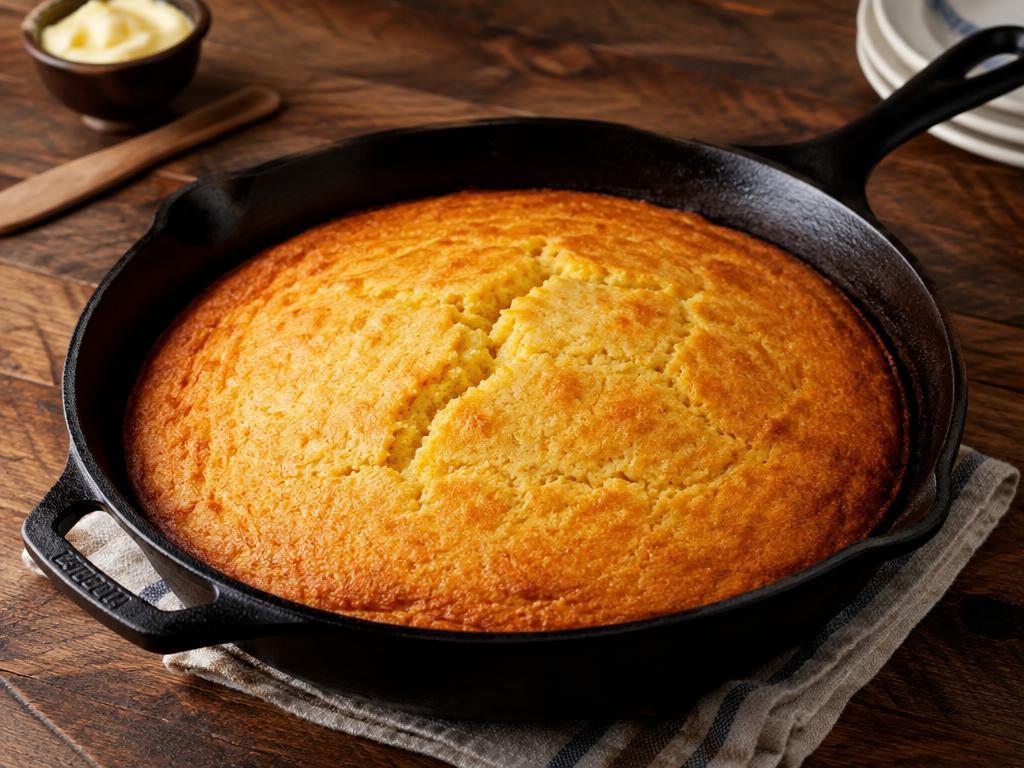
Cast iron is especially useful when a substantial hot surface improves the food, as with cornbread, browned potatoes, or a well-seared chop. It can also move from stovetop to oven when the entire pan and any accessories are approved for that use. Plan for carryover heat after cooking: a hot skillet keeps affecting food even off the burner, so transfer delicate items when they have reached their intended doneness.
Long acidic simmers are better assigned to less reactive cookware, particularly when seasoning is young or damaged. Brief contact with an acidic ingredient is a different situation from simmering tomato sauce for an extended period, but monitor the surface and the food rather than treating all recipes alike. Likewise, a heavy skillet is not always the most responsive tool for a sauce that needs rapid temperature changes or careful reduction control.
For a first purchase, prioritize a manageable pan you can use regularly over collecting several specialized sizes. Add a larger or differently shaped piece only after a recurring cooking problem makes the need clear. Check current manufacturer care instructions, oven restrictions, and return terms before buying. A useful cast iron skillet should make familiar meals easier and more satisfying, not require you to reorganize every recipe around protecting or displaying the cookware.
Pros
- Excellent heat retention
- Affordable and durable
- Oven-safe
Cons
- Heavy
- Reactive with long-simmered acidic foods
- Needs maintenance
Key Takeaways
- Why cast iron?: It holds heat exceptionally well, making it ideal for searing and baking..
- What size to buy: A 10- or 12-inch skillet is the most versatile..
- Seasoning: Wipe on a very thin layer of oil and bake upside down at 450°F for an hour..
FAQ
Can I use soap on cast iron?
Yes, modern dish soap won't remove polymerized seasoning.
Sources
Found this helpful? Share it with a friend who loves to cook.
Tag us so we can see your creations.