Cooking Guides & Masterclasses
Flavor Pairing 101: How to Balance Salt, Fat, Acid and Heat
By Sarah Mitchell · September 15, 2026 · 8 min read
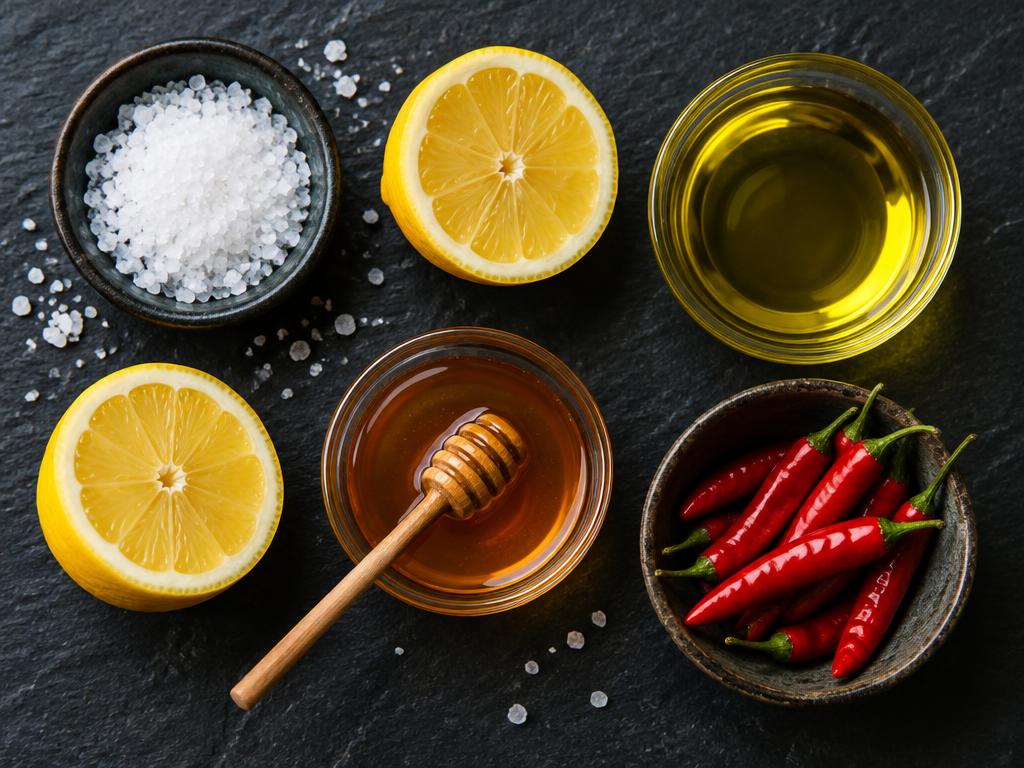
When a dish tastes 'flat', it's usually missing one element. Learn to diagnose it and you'll rarely need a recipe.
Salt amplifies
Salt doesn't just make food salty; it suppresses bitterness and lifts other flavors.
Acid brightens
A squeeze of lemon or splash of vinegar wakes up rich, heavy dishes.
Fat carries flavor
Many aroma compounds are fat-soluble, so a drizzle of good oil makes flavors bloom.
Heat and sweetness
A pinch of sugar tames acidic tomatoes; chili adds excitement to sweet dishes.
Classic pairings
Tomato + basil, lamb + mint, pork + apple, chocolate + orange, carrot + cumin.
Build a Tasting Experiment Before Changing the Pot
When a sauce seems wrong, take three small samples instead of immediately seasoning the whole batch. Put about 2 tablespoons in each cup and leave one unchanged as a control. Add a drop of vinegar to the second and a tiny pinch of salt to the third. Taste them at the temperature at which the food will be served. This separates two common problems: muted seasoning and a rich dish that needs contrast. Keep a clean spoon for every taste rather than returning a used spoon to the pot.
If the acid sample wins, add vinegar to the main batch in small increments, stirring thoroughly before tasting again. For four servings of soup, a starting adjustment might be 1/2 teaspoon of vinegar, not several tablespoons. If neither sample improves, investigate concentration, bitterness, aroma, or texture rather than adding more seasoning blindly. A watery sauce often needs gentle reduction; a scorched sauce needs transferring to a clean pan without scraping the bottom.
Write down the change that helped, including the approximate batch size. These notes become useful reference points rather than universal formulas. Different brands of broth, canned tomatoes, and mustard bring different amounts of salt and acidity. Repeating the small-sample test is more reliable than assuming yesterday's successful quantity will work in a different dish today.
Pair Aromas Through a Shared Ingredient
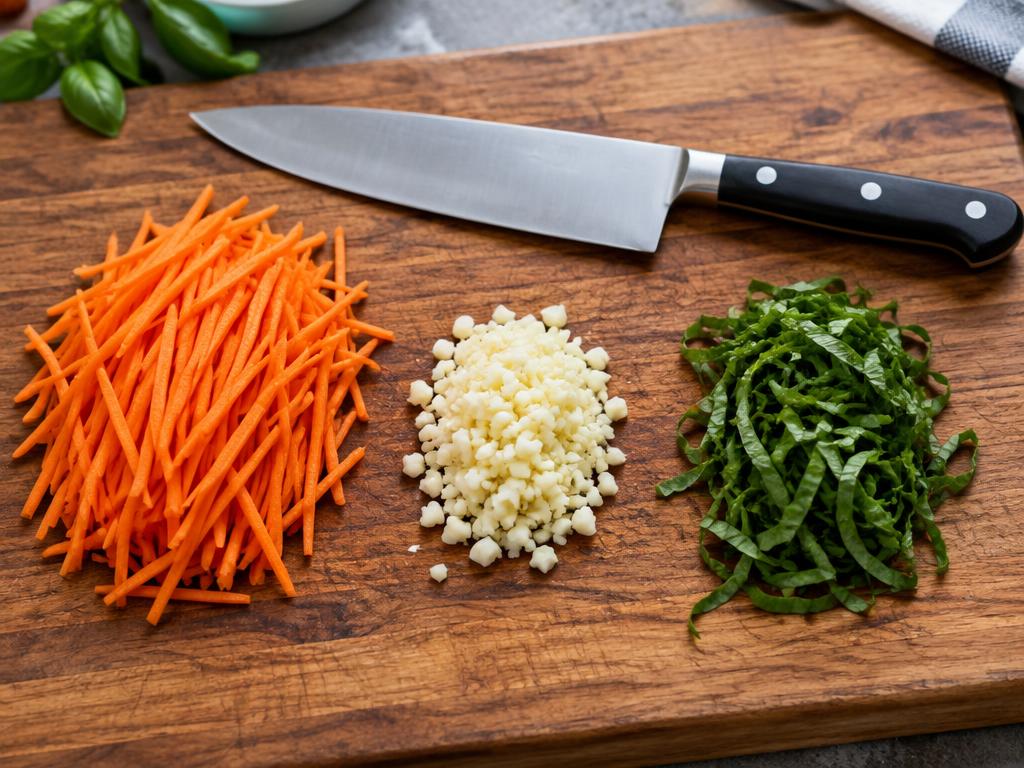
A practical way to develop combinations is to choose one ingredient that connects two others. Roasted carrots and plain yogurt can feel disconnected until toasted cumin links the carrots' earthy sweetness with the yogurt's tang. Start with 1 pound (454 g) of carrots, 1/2 cup (120 g) of yogurt, and 1/4 teaspoon of ground cumin. Roast the carrots separately and season the yogurt separately so neither component has to compensate for the other.
Think in terms of a dominant flavor, a supporting flavor, and an accent. Mushrooms might provide the main earthy character, barley a mild toasted background, and parsley a fresh finish. Giving all three equal intensity can obscure the dish rather than make it more interesting. When experimenting with an unfamiliar spice, season a spoonful first. A small amount of clove or smoked paprika can change the entire character of a sauce, and removing it afterward is not practical.
Shared aromas are a useful starting point, not a rule that guarantees a good meal. Two ingredients may smell compatible but clash in bitterness, sweetness, or texture. Coffee and cocoa can work beautifully in a braise, yet excessive quantities of both may make it harsh. Build the combination in stages and keep the main ingredient recognizable. The goal is a clear, pleasant bite, not the largest possible collection of related flavors.
Plan Contrast Across the Entire Bite
Consider what actually lands on the fork rather than tasting each element only in isolation. A sharp dressing may seem too aggressive by itself but become balanced when spread over mild potatoes. Conversely, a perfectly seasoned sauce can make a meal unpleasantly salty when combined with olives, feta, and cured meat. Taste a representative bite containing the main component, sauce, and garnish before making the final adjustment.
Texture changes how a combination feels even when its seasoning stays the same. A creamy bean soup benefits from something crisp, such as toasted breadcrumbs or thinly sliced radishes. Start with about 1 tablespoon of crunchy garnish per bowl so it remains an accent rather than turning every mouthful dry. Keep toppings separate until serving; moisture quickly softens croutons and toasted nuts. If nuts are involved, tell diners and keep an alternative available for anyone with an allergy.
Temperature also contributes contrast. Warm roasted vegetables can be served with cool herb sauce, but the sauce should not be so cold or abundant that the vegetables arrive lukewarm. For a composed salad, let refrigerated components lose their extreme chill briefly while preparing the rest of the meal. This is a serving adjustment, not permission to leave perishable ingredients out indefinitely. Return unused portions to refrigeration promptly rather than keeping a large serving bowl on the counter throughout the afternoon.
Choose When to Add Each Aromatic
Timing can matter as much as quantity. Sturdy aromatics such as onion and chopped rosemary tolerate cooking, while delicate herbs such as basil and dill usually retain a fresher character when added near serving. Divide an herb between stages when you want both effects: simmer parsley stems in broth, remove them, and finish with chopped leaves. This creates depth without requiring several unrelated seasonings or a heavier hand with salt.
Ground spices can be stirred into warm oil briefly before adding liquid, but watch the pan rather than relying on an exact timer. At moderate heat, 15–30 seconds may be enough for the aroma to become noticeable. Add the next ingredient as soon as the spices smell fragrant. Smoke, black flecks, or an acrid smell indicate scorching, not extra flavor. If the spice mixture burns badly, discard it and restart; broth will distribute the burnt taste rather than repair it.
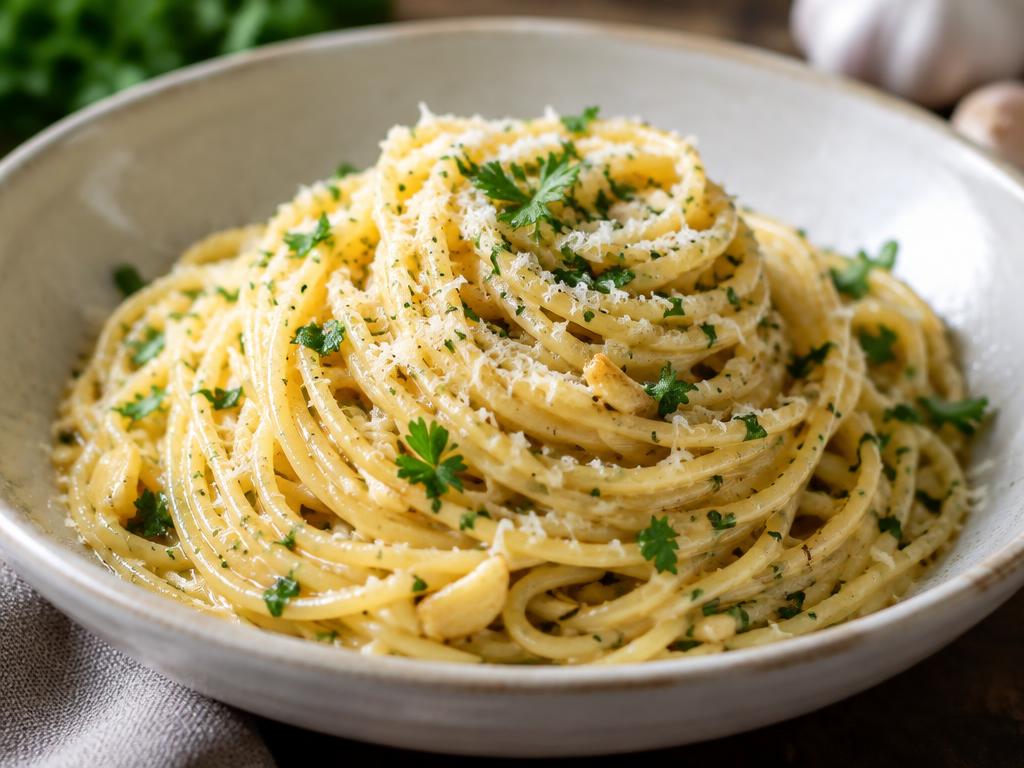
Raw garlic, cooked garlic, and roasted garlic are not interchangeable finishing ingredients. Raw minced garlic delivers a sharp bite, gently cooked garlic becomes mellower, and deeply roasted cloves add sweetness and body. In a yogurt sauce for four people, begin with half a small raw clove and allow several minutes before deciding whether to add more. Garlic intensity develops after chopping, so an immediate second addition can overshoot the intended flavor by the time dinner reaches the table.
Repair Imbalances Without Creating New Ones
When food is too salty, distinguish reducing salt concentration from disguising its perception. Lemon juice may make a dish taste livelier, but it does not remove sodium. The dependable repair is adding an appropriate unsalted component: water or unsalted broth for soup, cooked unsalted beans for chili, or extra vegetables for a stew. Remove some salty liquid first if dilution would otherwise create far more food than you need. Recheck consistency and other seasonings after the adjustment.
For a sauce that tastes too sour, try a spoonful with a little additional fat or an unsweetened, mild component before reaching for sugar. Blending extra cooked carrots into a tomato sauce adds body and natural sweetness, while cream changes both richness and flavor. Sugar can soften the perception of acidity but does not make an acidic food suitable for preservation. Never improvise canning adjustments from a flavor-balancing exercise; preservation requires a tested recipe with its original safety controls.
Excess chile heat is difficult to reverse because adding liquid does not destroy capsaicin. Increase the amount of the unseasoned base or serve smaller portions with plain rice and an appropriate dairy accompaniment. Avoid adding several corrective ingredients at once. Sugar, vinegar, cream, and broth together can turn a recognizable curry into a confusing sauce. Make one change, taste a complete bite, and stop as soon as the food is enjoyable rather than chasing an abstract idea of perfect balance.
Adapt a Pairing to Different Cooking Methods
The same ingredient needs different partners depending on how it is cooked. A raw cabbage salad has peppery crunch and can handle a creamy dressing with a restrained sweet note. Slowly cooked cabbage becomes softer and sweeter, so mustard or a bright finishing vinegar may be more useful. Before substituting an ingredient into a familiar combination, ask whether its moisture, texture, and browning will resemble the original. Botanical similarity alone is not enough to predict the result.
Roasting concentrates flavors as water evaporates and creates browned surfaces where conditions permit. For a practical comparison, divide 1 pound (454 g) of mushrooms between two pans. Cook one batch crowded and the other with space between pieces, using comparable amounts of oil. The crowded batch releases liquid and steams longer; the spaced batch can brown more readily. Their different textures and aromas may call for different finishing touches even though the starting ingredient is identical.
Sauce thickness changes distribution too. A thin vinaigrette runs into the bottom of a vegetable bowl, while a thicker yogurt dressing clings to the surface. If a dish tastes unevenly seasoned, check coverage before adding more salt. Dry washed greens thoroughly, toss in a roomy bowl, and add dressing gradually. For roasted vegetables, coat while warm when appropriate, then reserve fresh herbs and crisp garnishes for serving. Good distribution often solves what first appears to be a flavor-pairing problem.
Keep Experiments Useful for Tomorrow's Meal
Build a small set of versatile components rather than seasoning every leftover in the same way. Plain cooked grains, roasted vegetables, and a separately stored dressing can become several meals because their flavors have not been locked together. One day, combine them with lemon and parsley; another day, use a measured spoonful of miso dressing and sliced scallions. Account for salty condiments before adding separate salt, and check ingredient labels when cooking for someone with food allergies.
Refrigerate perishable leftovers within two hours, or within one hour when the surrounding temperature is above 90°F (32°C). Use shallow containers so large quantities cool more quickly, and keep the refrigerator at 40°F (4°C) or below. Most cooked leftovers should be used within three to four days. Do not rely on a pleasant smell as proof of safety, and do not taste questionable food to decide whether to keep it. Flavor adjustments cannot make mishandled leftovers safe.
When reheating cooked leftovers, bring them to 165°F (74°C), checking with a food thermometer. Add fresh herbs, delicate oils, and crunchy toppings afterward so their character remains distinct. Keep a short record of useful combinations: the main ingredient, cooking method, condiment, and final adjustment. Note failures as specifically as successes, such as too much raw garlic after standing or soggy topping after storage. Those observations make the next meal easier to improve than a vague instruction to add more flavor.
Key Takeaways
- Salt amplifies: Salt doesn't just make food salty; it suppresses bitterness and lifts other flavors..
- Acid brightens: A squeeze of lemon or splash of vinegar wakes up rich, heavy dishes..
- Fat carries flavor: Many aroma compounds are fat-soluble, so a drizzle of good oil makes flavors bloom..
FAQ
How do I fix an over-salted soup?
Add more unsalted liquid or acid; a potato doesn't truly absorb salt.
Sources
Found this helpful? Share it with a friend who loves to cook.
Tag us so we can see your creations.