Healthy & Special Diets
Gluten-Free Baking: How to Get Soft, Fluffy Results
By Sarah Mitchell · September 4, 2026 · 8 min read
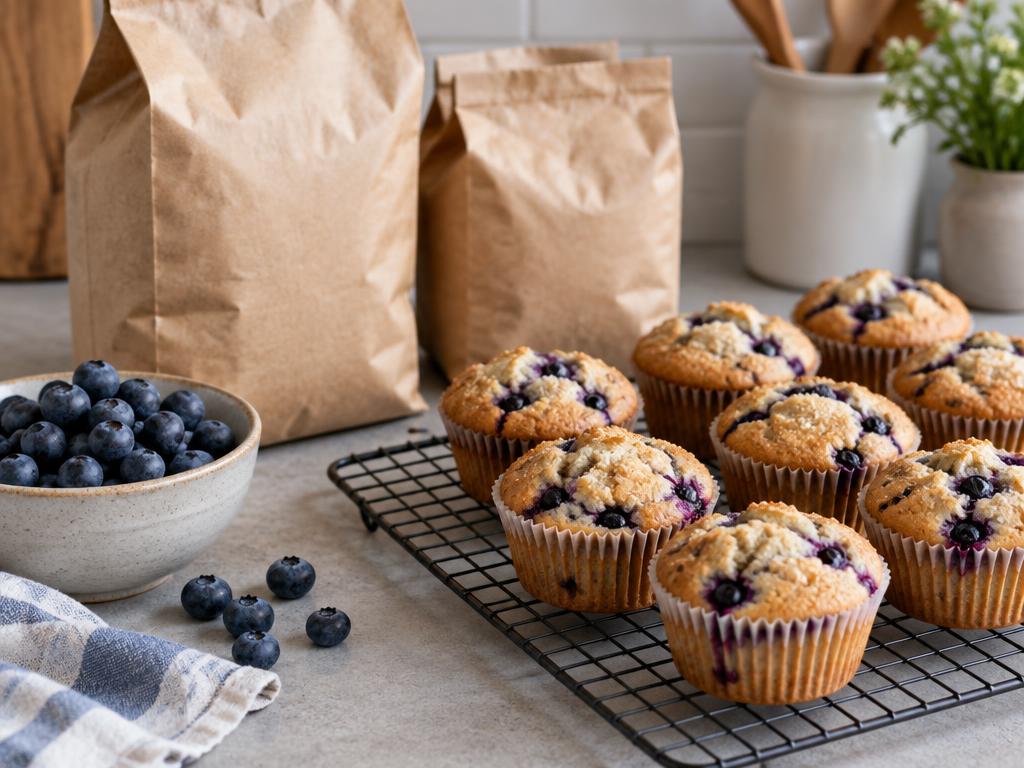
Without gluten's stretchy structure, baked goods need a little extra help. These tips make the difference.
Use a blend
A mix of rice flour, starches and a binder like xanthan gum mimics wheat best.
Add moisture
Gluten-free flours absorb more liquid; let batters rest 20 minutes.
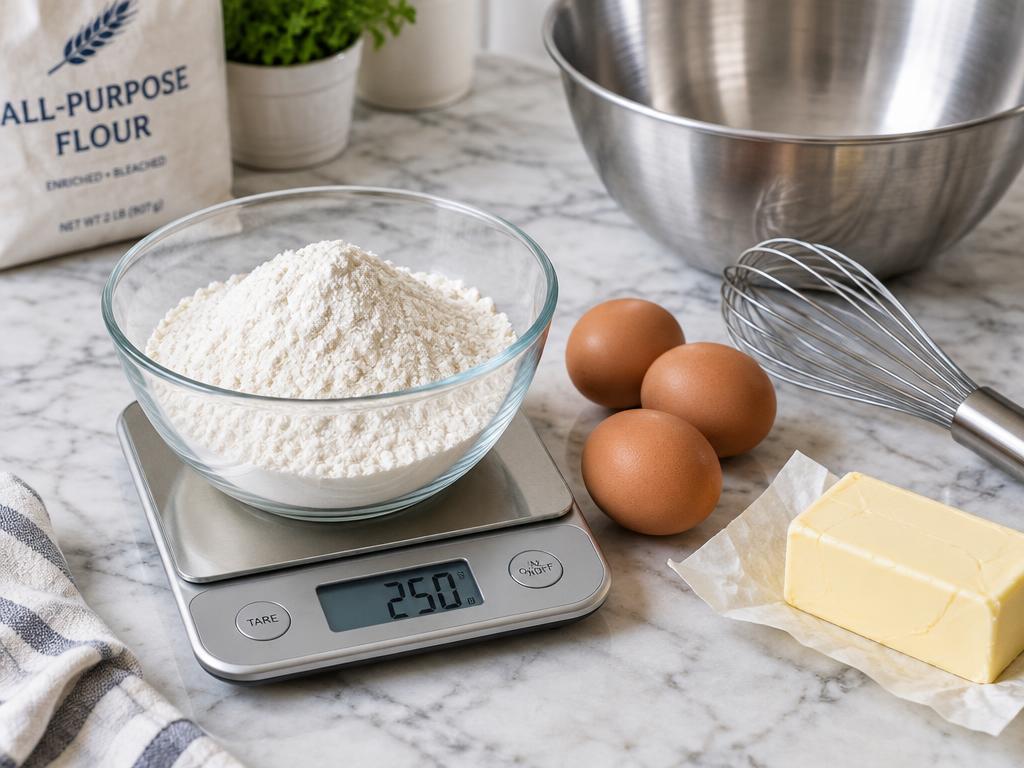
Weigh ingredients
Gluten-free flours vary widely in density.
Avoid cross-contact
For celiac disease, use clean equipment and certified gluten-free ingredients.
Choose a Recipe Built for the Bake You Want
Begin with a recipe developed for the specific type of gluten-free baked good you want, not a wheat recipe with an improvised substitution. A delicate cake, chewy cookie, and yeast loaf require different structures. A flour blend that works in one may produce a dense or fragile result in another. Read the entire recipe, including any notes about the brand of flour, before buying ingredients or setting the oven temperature for your first attempt.
For beginners, muffins, brownies, and simple drop cookies often offer a more manageable starting point than a lofty sandwich loaf or laminated pastry. That does not mean they are interchangeable: a fudgy brownie can tolerate a texture that would seem underbaked in a cake. Choose a recipe with clear pan dimensions, ingredient weights, and visual cues. If it gives only a vague baking time, look for additional guidance before committing an expensive bag of flour to the project.
Make the first batch as written when ingredients are safe for you. Replacing flour, eggs, dairy, and sugar simultaneously makes it hard to identify what went wrong. Keep a short note of the flour used, pan material, oven setting, and final texture. Once the baseline works, change one variable at a time. This practical record is more useful than assuming every gluten-free bake needs the same extra spoonful of gum, splash of liquid, or adjustment to the oven.
Understand What Individual Flours Contribute
Rice flour can provide a relatively neutral base, while finely milled versions generally feel less gritty than coarse ones. Sorghum and buckwheat bring more noticeable flavor; despite its name, buckwheat is not wheat and is naturally gluten-free, though sourcing and cross-contact still matter. Almond flour contributes fat and a tender, sometimes dense texture, while coconut flour absorbs substantial liquid. These ingredients have different roles and should not be swapped cup for cup simply because each is gluten-free.
Starches such as potato starch, tapioca starch, and cornstarch can lighten a blend or affect chew and tenderness. Potato starch is not the same ingredient as potato flour, which is made from the whole potato and behaves differently. Likewise, cornmeal is not cornstarch. Check the exact product name before measuring. Small wording differences on a package can change a recipe much more than an extra minute in the oven, especially when the ingredient makes up a large proportion of the blend.
Nut flours introduce allergen considerations, and oat flour requires particular care when baking for someone with celiac disease. Use oats specifically labeled gluten-free, and recognize that some people with celiac disease may still need individualized advice about oats. Store flours as directed; whole-grain and nut flours can turn rancid, particularly in a warm kitchen. Smell older ingredients before using them, and discard anything musty, stale, or otherwise suspect rather than trying to disguise the flavor with chocolate or spices.
Use Binders According to Their Job, Not by Habit
Xanthan gum, psyllium husk, and eggs can all support structure, but they do not perform identically. A bread recipe designed around psyllium may depend on its ability to form a hydrated gel, while a cookie recipe may need only a small amount of gum or none at all. Before adding a binder, inspect your flour blend: many already contain xanthan gum. Doubling up can create a sticky or gummy texture that extra baking will not necessarily fix.
Psyllium husk and finely ground psyllium powder can behave differently by weight and volume, and brands may vary. Follow the form specified in the recipe rather than assuming a spoonful of one equals a spoonful of the other. If the instructions call for making a gel first, allow it to develop as directed. Adding dry psyllium at the last moment may not reproduce the structure that the recipe developer intended or the handling cues shown in the method.
Egg replacements require the same care. A flax mixture may help bind a cookie but cannot automatically reproduce the lift and structure of several whipped eggs in a cake. For egg-free baking, choose a recipe already designed for that constraint, especially when baking for an allergy. Do not interpret a successful substitution in one small batch as proof that it will work in a large celebration cake. Structure depends on the entire formula, not one ingredient working in isolation from the others.
Control Mixing, Hydration, and Leavening
Gluten-free batter often looks different from wheat batter, so resist correcting it simply because it seems unfamiliar. Some bread doughs are closer to a thick batter and cannot be kneaded conventionally. Some cookie doughs become firmer after chilling as the flour hydrates and the fat cools. Follow the recipe's resting and mixing instructions, and use its visual description as your reference rather than adding flour until it resembles a dough from a different style of baking.
Check baking powder and baking soda for freshness and measure accurately. Baking soda needs an appropriate acidic component, while baking powder includes its own acid system; they are not interchangeable spoon for spoon. More leavener is not a reliable solution to a dense bake. Too much can leave an unpleasant taste or produce a rapid rise followed by collapse before the structure sets. If a recipe consistently fails, review ingredient choices and oven conditions before changing the leavening amount.
Mix thoroughly enough to eliminate dry pockets and distribute binders, but follow any special instructions for whipped eggs or folded mixtures so you do not deflate them. Scrape the bottom and sides of the bowl, where dry flour often hides. If the recipe specifies a hydration rest, plan it into your schedule rather than skipping it to save a few minutes. Additions such as fruit or chocolate should also match the method, since extra moisture and weight can alter how the batter rises and sets.
Read Pan and Oven Signals Before Changing the Formula
Pan size determines batter depth, which affects how quickly the center sets. A smaller pan can leave the middle underdone while the edges darken; a larger pan can produce a thin, dry result. Use the specified dimensions and note whether the recipe assumes metal, glass, or another material. Dark pans may brown surfaces more aggressively. Line the pan when instructed so you can remove a delicate bake without tearing it while the structure is still fragile.
An inexpensive oven thermometer can help reveal whether the oven runs hotter or cooler than its setting. Preheat fully and avoid opening the door repeatedly during the early rise. Use the rack position given in the recipe, usually near the center for many cakes and muffins. If the top colors too quickly, a loose foil tent may help late in baking, but it will not repair a formula that is too wet or an oven set far above the intended temperature.
Check more than one cue for doneness. A cake may spring back lightly and show a tester with a few moist crumbs, while brownies may intentionally remain fudgy. Bread recipes sometimes provide an internal temperature, but that target is recipe-specific rather than a universal number for all gluten-free baking. Let the bake cool for the stated time before judging texture. Slicing a hot loaf can compress its center and make a fully baked recipe appear gummy even when the real problem is impatience.
Create a Reliable Celiac-Safe Baking Workflow
For someone with celiac disease, ingredient safety and preparation practices matter as much as texture. In the United States, a gluten-free label is regulated and indicates less than 20 parts per million of gluten; third-party certification may add another layer of assurance, but programs differ. Naturally gluten-free ingredients are not automatically protected from cross-contact during processing. Read labels on flour, oats, chocolate chips, baking powder, extracts, and decorations rather than checking only the main flour bag.
In a shared kitchen, clean counters thoroughly, wash hands, and use clean bowls, beaters, measuring tools, and cooling racks. Replace or dedicate hard-to-clean items when necessary, such as a flour sifter with trapped residue or a toaster with persistent crumbs. Do not bake with loose wheat flour nearby while preparing a gluten-free batch. Keep gluten-free ingredients sealed and positioned so wheat flour or crumbs cannot fall into them, and use clearly labeled containers rather than relying on memory.
Shared butter, jam, and nut butter can collect crumbs from a knife used on ordinary bread. Use uncontaminated portions and clean utensils when baking or serving for someone who must avoid gluten. At gatherings, provide a separate serving utensil and protect the finished food from crumb-covered platters. Ask the person about their needs before making the food, and be honest about your kitchen's limitations. A homemade gluten-free ingredient list is not a guarantee of safety if preparation and serving introduce cross-contact afterward.
Diagnose Texture Problems and Store Successful Batches
A sandy crumb may point to coarse flour or insufficient hydration, while a gummy center can reflect underbaking, too much binder, an unsuitable blend, or cutting before cooling. A crumbly cookie may have too little binding or too much flour relative to fat and liquid. These are possibilities, not a diagnosis from appearance alone. Compare your process with the recipe and change one likely cause at a time so you can identify what actually improves the next batch.
For dry muffins, first check whether they baked too long, sat uncovered, or used a different blend from the one specified. Adding a large amount of liquid without understanding the cause can create a gummy interior instead. If a batch is safe but imperfect, repurpose it: dry cake can become a layered dessert with fruit and yogurt, while a crumbly plain loaf may become breadcrumbs. Do not salvage food showing mold, spoilage, or uncertain storage conditions by toasting or reheating it.
Cool baked goods completely before sealing to avoid trapped condensation. Freeze extra bread in slices with separators so you can toast only what you need, using a clean or dedicated toaster when required. Follow recipe-specific storage advice for cream, custard, fresh dairy, or other perishable fillings, which generally require refrigeration. Date your containers and keep a note of which formulas freeze well. A dependable small rotation of successful recipes is more useful than continually buying new blends without learning how your existing ingredients behave.
Key Takeaways
- Use a blend: A mix of rice flour, starches and a binder like xanthan gum mimics wheat best..
- Add moisture: Gluten-free flours absorb more liquid; let batters rest 20 minutes..
- Weigh ingredients: Gluten-free flours vary widely in density..
FAQ
Is gluten-free healthier?
Only for people with celiac disease or gluten sensitivity.
Found this helpful? Share it with a friend who loves to cook.
Tag us so we can see your creations.