Healthy & Special Diets
Easy Keto Dinners: 8 Low-Carb Meals Under 10g Net Carbs
By Sarah Mitchell · September 25, 2026 · 7 min read
Keto cooking is easiest when you focus on whole foods rather than processed substitutes.
What is net carbs?
Total carbohydrates minus fiber. Most keto plans target 20–50g net carbs per day.
Dinner ideas
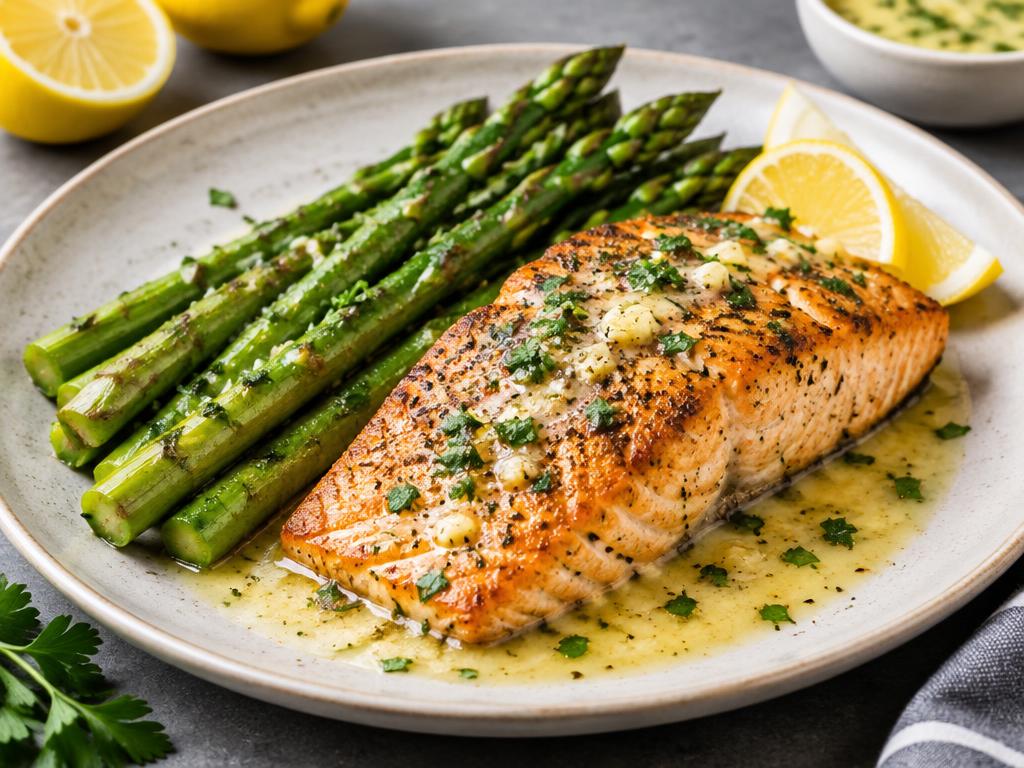
Lemon butter salmon with asparagus, zucchini noodle bolognese, chicken thighs with creamy spinach, and cauliflower fried rice.
Keep it balanced
Prioritize non-starchy vegetables and unsaturated fats.
Who should be cautious
People with certain medical conditions should consult a doctor before starting keto.
Set Realistic Boundaries Before Planning Dinner
A low-carbohydrate dinner and a ketogenic eating pattern are not necessarily the same thing. Whether someone develops nutritional ketosis depends on their overall intake and individual physiology, not the name of a recipe. A dinner can be lower in carbohydrate without meeting a particular daily target. Decide with a healthcare professional whether carbohydrate restriction is appropriate before building a week of meals around an online list or a promised result.
This is especially important for people taking insulin, sulfonylureas, or SGLT2 inhibitors, because substantial dietary changes can raise safety concerns, including hypoglycemia or ketoacidosis in relevant circumstances. Do not adjust medication on your own. Pregnancy, breastfeeding, a history of eating disorders, and kidney, liver, or pancreatic conditions also call for individualized guidance. A medically supervised ketogenic diet used for a specific condition is different from casually choosing low-carbohydrate dinners at home.
Do not assume an unpleasant reaction is something you must tolerate to make progress. Persistent weakness, vomiting, confusion, or feeling seriously unwell warrants medical attention rather than an internet electrolyte remedy. There is no need to chase ketone readings as a home cooking goal. If a strict approach becomes difficult to sustain, discuss a less restrictive pattern that still emphasizes vegetables, appropriate protein, and minimally processed ingredients. Dinner should support your needs, not become a test of endurance.
Calculate Carbohydrates From the Portion You Actually Eat
Start with the serving size on the Nutrition Facts panel. A sauce may list a modest carbohydrate amount for one tablespoon, while your recipe uses half a cup. Multiply the amount per serving by the number of servings added, then divide the finished dish by the portions you actually serve. Include meaningful contributions from onions, tomatoes, dairy, nuts, dressings, and garnishes rather than counting only the obvious starchy ingredients.
Net carbohydrate is not a standardized term on US food labels, so front-of-package claims deserve scrutiny. Subtracting dietary fiber from total carbohydrate is a common calculation, but sugar alcohols and other ingredients complicate some packaged products. Do not automatically subtract every gram of sugar alcohol simply because a label suggests doing so. Different products and individual responses vary, and large amounts of certain sweeteners can also cause digestive discomfort for some people.
Use the same ingredient form when looking up nutrition: raw weight and cooked weight are not interchangeable because water changes during cooking. Recipe estimates are useful planning tools, not laboratory measurements. Brand differences, vegetable sizes, and the amount of sauce left in the pan all affect the result. The ideas below therefore need calculation with your own ingredients before being described as under a specific carbohydrate threshold; no recipe name alone guarantees a total below ten grams.
Two Seafood Suppers With Crisp Vegetable Sides
For mustard-dill cod, pat fillets dry and place them in a lightly oiled baking dish. Stir a little Dijon mustard with olive oil, dill, and lemon zest, then spread a thin layer over the fish. Roast alongside green beans on a separate tray so the vegetables can stay in the oven if they need longer. Check the fish with a thermometer; fin fish should reach 145°F in the thickest part before serving.
For a different flavor profile, make smoky shrimp with cabbage ribbons. Sauté thinly sliced cabbage until just tender, then transfer it to a serving dish. Cook peeled shrimp in the same pan with olive oil, smoked paprika, and garlic, adding a splash of water if the garlic begins to scorch. Shrimp should become pearly or white and opaque throughout. Finish with lime and chopped cilantro, using a fresh utensil rather than one that touched raw seafood.
Buy plain seafood rather than breaded or sweet-marinated versions when you want control over the ingredients. Frozen fillets and shrimp are practical options; thaw them safely in the refrigerator and follow package directions. Mustard, spice blends, and prepared sauces vary, so inspect labels before calculating the meal. Add enough vegetables to make a satisfying dinner, and adjust the protein portion to your needs instead of relying on a large amount of butter to supply the meal's substance.
Two Poultry Dinners That Do Not Depend on Cream
Turkey-stuffed portobello mushrooms offer a different format from a bowl or skillet. Remove the stems, roast the caps briefly to release some moisture, and drain the liquid. Meanwhile, cook ground turkey with chopped mushroom stems, oregano, and a measured amount of crushed tomatoes. Fill the caps, add a light sprinkle of cheese if desired, and return them to the oven. Verify that the ground turkey reaches 165°F rather than judging safety by its color.
For chicken with warm radish salad, roast halved radishes with a little olive oil until tender and lightly browned. Cook seasoned chicken breasts or thighs separately, checking for 165°F in the thickest part without touching bone. Toss the warm radishes with arugula and a mustard-vinegar dressing, then serve alongside sliced chicken. Roasting softens the radishes' peppery flavor, while the greens provide contrast without requiring a creamy sauce or a specialty low-carbohydrate substitute.
Keep raw poultry and its utensils away from ready-to-eat salad ingredients. Prepare the vegetables first if you have only one board, then wash the board and work surface thoroughly after handling chicken. Do not rinse raw poultry, which can spread contamination through splashes. When planning leftovers, store the salad separately and refrigerate cooked poultry promptly. Both dishes can be portioned for another meal, but dressed greens will lose texture faster than the cooked meat or vegetables.
Two Plant-Forward Options for a Meatless Evening
Make baked tofu with sesame broccoli by choosing firm or extra-firm tofu and drying its surface well. Cut it into even pieces, toss with a little neutral oil, and roast on a lined sheet pan. Roast broccoli separately or leave generous space between components. Finish with a small amount of toasted sesame oil, rice vinegar, and reduced-sodium soy sauce. Add chili flakes or ginger for interest without relying on a sweet bottled glaze.
For an egg-based dinner, cook sliced zucchini and mushrooms until their released moisture evaporates, then combine them with beaten eggs in an oven-safe skillet. Bake gently until the center is set; egg dishes should reach 160°F. Add herbs and a modest amount of crumbled cheese, or omit the cheese if preferred. Serve wedges with cucumber salad dressed with vinegar and olive oil, keeping the vegetable portion substantial rather than using it only as decoration.
Plant-forward does not automatically mean low in carbohydrate, and tofu brands differ in both protein and carbohydrate content. Check labels and calculate the actual meal. A vegan variation should use tofu rather than eggs and include attention to the broader day's nutrition. Avoid making dinner mostly oil, avocado, and lettuce without a meaningful protein source. If you are combining strict carbohydrate restriction with vegan eating, a registered dietitian can help assess whether the resulting plan is practical and nutritionally adequate for you.
Two Skillet Dinners With Bold Seasoning
For pork tenderloin medallions with mustard cabbage, slice the tenderloin into evenly thick pieces and sear them in a hot skillet with a little oil. Remove the pork, add shredded cabbage, and cook until tender, using a splash of broth to loosen browned bits. Return the pork and finish cooking. Whole cuts of pork should reach 145°F followed by a three-minute rest. Stir a small amount of mustard into the cabbage just before serving.
For beef and bok choy, thinly slice a suitable steak across the grain, then cook in small batches so the pan stays hot. Set it aside while you stir-fry sliced bok choy stems, followed by the leaves. Add ginger, garlic, and a measured splash of soy sauce, then return the beef briefly. Whole-cut beef should reach 145°F with a three-minute rest; ground beef is different and requires 160°F if you adapt the dish with crumbles.
These dinners benefit from strong seasoning, but salty condiments can accumulate quickly. Choose lower-sodium broth where practical, taste before adding salt, and check spice blends for added sugar if it affects your calculation. Use leaner cuts when you prefer them and round out the plate with vegetables rather than automatically adding cheese or bacon. For household members who want more carbohydrate, serve rice or potatoes separately so a shared dinner does not require everyone to follow the same restriction.
Keep the Weekly Rotation Practical and Nutritionally Varied
Choose two or three of the dinners rather than buying ingredients for all eight immediately. Reuse cabbage in a shrimp meal and a pork meal, or use mushrooms in both stuffed caps and an egg skillet. Buy only the fresh herbs you will finish, using dried herbs when appropriate. This reduces waste and avoids the common problem of spending more on specialty products than on the foods that make up most of dinner.
Plan for fiber and overall dietary quality across the day. Non-starchy vegetables, suitable portions of nuts and seeds, and other tolerated foods can help, but a restrictive plan can still crowd out useful food groups. Favor olive oil, nuts, seeds, and fish more often than making butter, cream, and processed meats the default. If constipation or other symptoms persist, review the whole eating pattern with a clinician instead of assuming more fat or an unsupervised supplement is the answer.
Cool cooked food promptly in shallow containers and refrigerate within two hours, or one hour above 90°F. Keep the refrigerator at 40°F or below, use most cooked leftovers within three to four days, and reheat leftovers to 165°F. Freeze extra portions early when possible, labeling the contents and date. Track which dinners you enjoy and which leave you dissatisfied; an eating plan that requires constant effort or causes distress may need adjustment, even if every recipe meets a numerical carbohydrate target.
Key Takeaways
- What is net carbs?: Total carbohydrates minus fiber.
- Dinner ideas: Lemon butter salmon with asparagus, zucchini noodle bolognese, chicken thighs with creamy spinach, and cauliflower fried rice..
- Keep it balanced: Prioritize non-starchy vegetables and unsaturated fats..
FAQ
Is keto safe long-term?
Research is mixed; talk to a healthcare professional.
Found this helpful? Share it with a friend who loves to cook.
Tag us so we can see your creations.