Meal Prep & Planning
How to Freeze Soup in Portions You Will Actually Use
By Flavor Feast Kitchen · October 22, 2026 · 9 min read
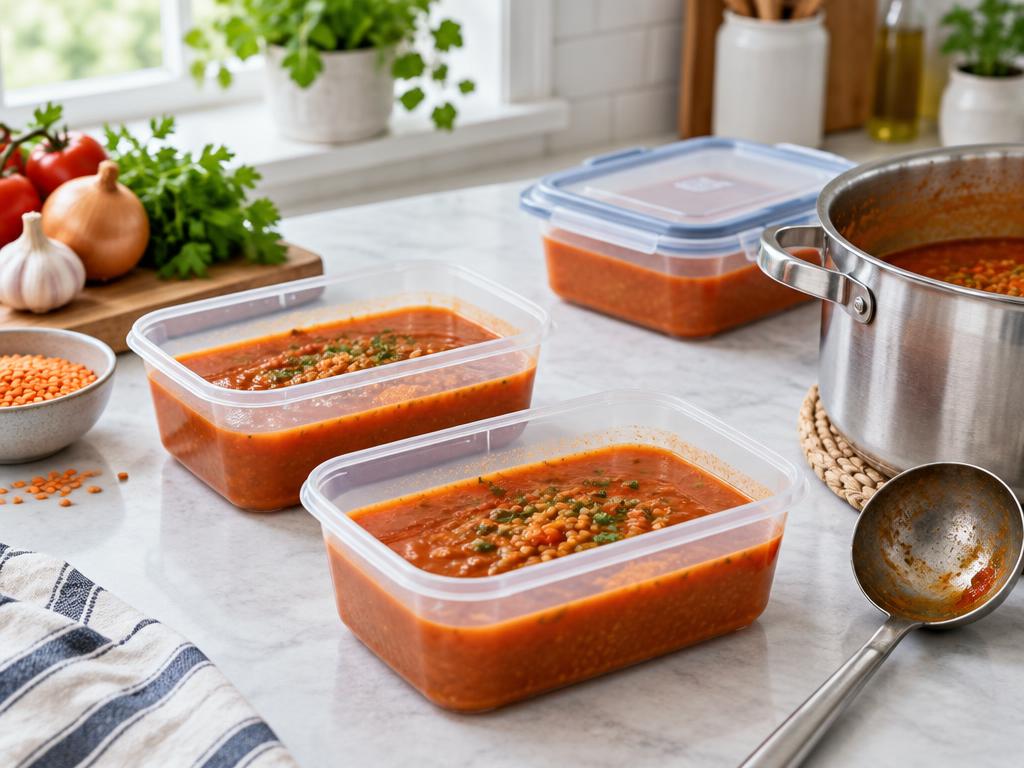
A frozen block of soup can be technically usable and still be a poor dinner plan. If the block is too large for your saucepan, takes too long to thaw, or contains noodles that fall apart, it may sit in the freezer while you buy something else. Good soup freezing starts with the meal you expect to eat later. This guide walks through choosing a base, cooling it safely, selecting portions and containers, and reheating without losing sight of food safety. It does not treat freezing as a cure for soup that has already spent too long on the counter, and it separates changes in texture from actual safety limits.
Quick Decisions and Fixes
| Planning decision | Practical choice |
|---|---|
| Large hot stockpot | Divide into shallow containers and refrigerate promptly; do not counter-cool the whole pot. |
| Soup contains noodles or cream | Freeze the base separately when the recipe permits; add texture-sensitive ingredients later. |
| Container is difficult to empty | Use freezer-approved shapes and follow headspace and temperature-change instructions. |
| Reheating a thick frozen portion | Stir, bring soup to a boil and verify 165°F (74°C) throughout, including chunks. |
Pick a soup base with the later meal in mind
Broth-based soups, bean soups and many blended vegetable soups are useful freezing candidates. That does not mean every recipe behaves identically. A tomato-lentil base may become thicker as it sits, while a cream soup can separate and a potato-heavy soup can change texture. Start by asking which part of the recipe will tolerate reheating comfortably. If the base is good on its own, you have more options when assembling the final bowl.
Read the whole recipe before making a batch specifically for freezing. If it allows noodles, cream or fresh herbs to be added near serving, consider leaving those components out of the freezer portion. Do not rewrite an unfamiliar recipe's food-safety steps simply to save time. The aim is to make the later meal easier, not to improvise a new preservation process. This is freezer meal planning, not canning or producing shelf-stable soup.
Separate safety problems from texture problems
Cream separation or soft noodles may be disappointing, but those changes do not automatically prove a safely handled soup is dangerous. Conversely, soup can look normal after being held unsafely. Its storage history matters. Freezing stops further microbial growth while food remains frozen, but it does not reliably remove hazards created by poor handling before freezing. A pot left out too long should not be saved just because there is space in the freezer.
General USDA guidance is to refrigerate perishables within two hours, or within one hour when the surrounding temperature is above 90°F (32°C). Keep the refrigerator at 40°F (4°C) or below. These are handling limits, not suggestions to wait until the final minute. Divide the soup promptly so it can cool efficiently. If you cannot account for the time a pot spent warm on a counter, do not use its smell as a substitute for that missing information.
Cool a large batch by dividing it
The center of a deep stockpot cools slowly. Rather than leaving the whole pot on the counter until it feels cold, divide the soup into smaller, shallow containers and refrigerate promptly. USDA says hot food can go directly into the refrigerator; for large quantities, shallow containers are the important part of getting heat out efficiently. Avoid tightly crowding a refrigerator with one huge hot mass that prevents useful circulation.
Use clean utensils and suitable containers, and protect other food from spills. An ice-water bath around a suitable pot can help bring the temperature down while you stir, but it should not become an excuse for a long counter wait. Keep the bath water out of the soup. When using glass, follow the container maker's instructions about hot filling and temperature changes. A dish that is freezer-safe is not necessarily safe to expose to every sudden thermal shock.
Work backward from a real serving
Before portioning, ladle the amount you would normally eat into your usual bowl, then measure that amount in a suitable jug. This gives you a starting serving that matches your appetite rather than a generic freezer label. A bowl eaten as a light lunch may need a different portion from soup served with bread, beans or another side. If you feed several people, make both individual and shared portions only when you know you will use both.
Leave room for additions. A concentrated lentil base may need water during reheating, while noodles cooked separately take up extra bowl space. It is better to freeze a sensible portion and add a side than to create enormous blocks that repeatedly leave leftovers. Small portions also give you flexibility when one person is unexpectedly away. Portion size is an everyday convenience decision, not a nutritional prescription; adjust it to the actual meal.
Choose containers for both freezing and reheating
Use containers explicitly marked or described as freezer-safe. For liquids, a reliable seal and adequate headspace matter because expansion can force lids off or crack unsuitable containers. Follow the maker's fill guidance rather than applying one headspace measurement to every shape. Straight-sided containers are often easier to empty than narrow-neck jars. If using glass, check that the design is approved for freezing liquids and avoid improvised reuse of unsuitable jars.
Freezer bags can save space if they are made for freezing and sealed properly. Support the bag in a bowl while filling, avoid overfilling, and lay it on a tray to freeze flat once it is safely chilled. Never heat soup inside an ordinary storage bag unless the manufacturer explicitly permits that use. A freezer-safe lid, base and seal may still have different microwave rules. Read all the instructions before moving a container directly from storage to reheating.
Label more than the name of the soup
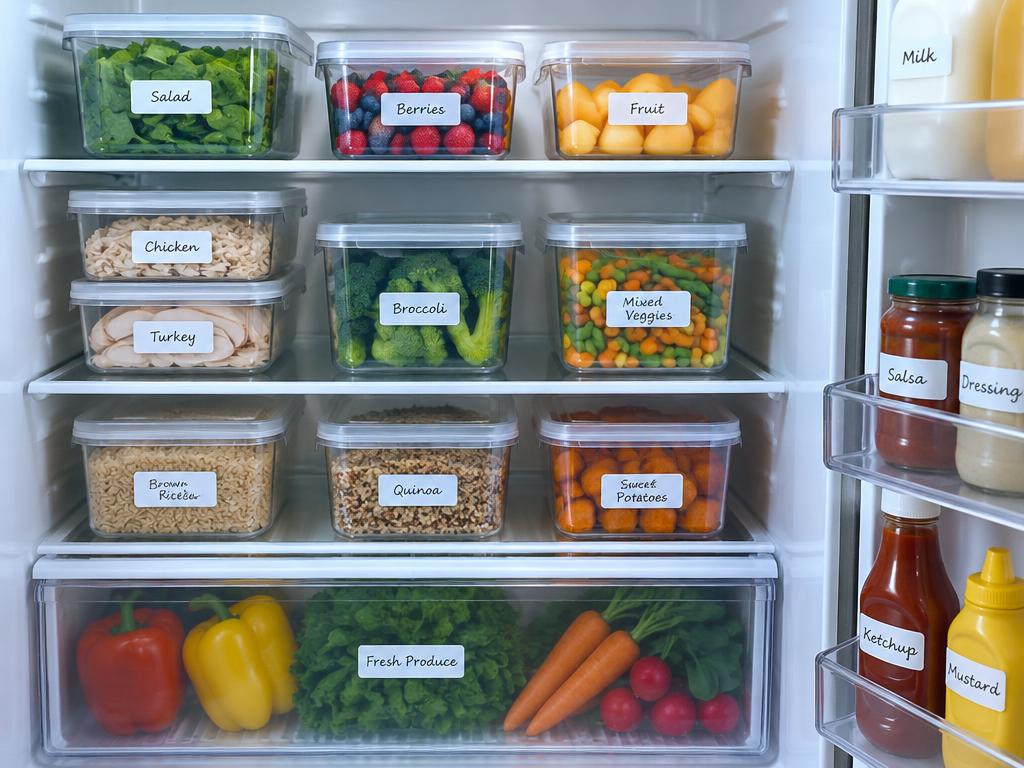
At minimum, write the soup name and freezing date. If several similar bases share the freezer, add the portion size and a short serving note such as add noodles after reheating. Ingredient or allergen notes can be useful when different household members eat from the same stash. Do not rely on remembering whether the orange soup contains dairy a month later. Labels are most helpful when they answer a real dinner question quickly.
Keep an informal freezer list on paper or your phone if it helps you use older portions first. The list does not need to be a complex system: name, quantity and date are enough. Update it when you take a portion out. Repeatedly discovering mystery containers is a planning problem that a very simple inventory can solve. Do not invent expiry dates with false precision; distinguish a quality target from a safety limit under continuous correct freezing.
Freeze in a way that prevents awkward blocks
After safe cooling, leave space around new portions so cold air can circulate, then consolidate them once frozen. A flat bag should rest on a tray until solid to contain possible leaks. With rigid containers, avoid stacking warm portions into a dense tower. Also make sure the lids are properly fitted and the headspace matches the container instructions. The goal is practical, efficient freezing rather than squeezing every portion into the last available gap.
Keep the freezer at 0°F (-18°C) or below. FoodSafety.gov lists roughly two to three months as a quality guide for soups and stews, while continuously frozen food can remain safe beyond that window if it was safely handled first. A freezer burn patch is primarily a quality issue, but unexpected thawing is a separate concern. A door left open or a power interruption calls for temperature-based guidance, not an assumption that every remaining ice crystal tells the whole story.
Handle noodles, rice and dairy intentionally
Noodles and rice often soften as they sit in liquid and can soften further during freezing and reheating. For planned freezer batches, freeze the base without them when the recipe allows, then cook and add them for the meal. This preserves more control over both texture and portion. If the soup already contains them, it can still be worth freezing, but expect a softer bowl and avoid promising a fresh-cooked texture afterward.
Dairy-containing soups may separate; some can be improved by gentle stirring or blending after reheating, but results vary. Add cream or yogurt later when a suitable recipe supports it. If you add a cold dairy ingredient after heating, make sure the final dish still meets safe reheating requirements rather than checking only the base beforehand. Fresh herbs can be reserved for serving, where their aroma and color do more work than after a long freezer stay.
Thaw safely, or reheat directly from frozen
The refrigerator is a straightforward place to thaw a portion. Put it on a tray or in a bowl to catch leaks and allow enough time for the actual size of the block. A large portion may not thaw overnight. Do not leave frozen soup on the counter all day so it is ready for dinner. The outside can warm into unsafe conditions while the center is still icy, which makes the visual presence of ice a misleading reassurance.
USDA also permits reheating soup directly from frozen. Remove packaging using its approved handling method, put the soup in an appropriate saucepan and add a little water if needed to prevent the base from scorching. Begin gently so the block loosens, then stir as it melts. Do not force a stuck frozen glass container under very hot water or onto a burner. Choose a safe removal method from the container's instructions, even if another package would have been faster.
Reheat the whole portion, not just its edges
Reheat leftovers to 165°F (74°C) throughout; USDA also advises bringing soups, sauces and gravies to a boil. Stir thoroughly and check with a food thermometer so a hot edge does not hide a cool center or cold chunks. Thick soups can bubble and spit before every part is equally hot, so take care with steam and splashes. Lower the heat as needed to avoid scorching while the portion finishes warming.
For a microwave, use an approved container and a vented microwave-safe cover, stir partway through and check multiple areas. Follow the appliance's standing-time guidance because it helps temperatures equalize. A fixed two-minute instruction cannot suit every portion and machine. If the soup thickens, add suitable liquid gradually and recheck the final temperature. Taste for seasoning only after it is safely reheated, using a clean spoon and avoiding repeated dipping.
A freezer plan for a small household
Suppose a recipe makes six portions and two will be dinner tonight. Divide the other four promptly into shallow containers. Keep only what you expect to eat within the general three-to-four-day refrigerated leftover window, and freeze the rest while it is still within that safe handling period. Label any freezer portions with the actual freezing date, not an invented future use-by date. Pair one portion with bread or a separately stored grain when serving.
Freezing does not reset food into a permanently fresh state once thawed. Plan to use thawed soup promptly under USDA leftover guidance, keep it cold before reheating, and avoid cycling the same communal portion through repeated meals. Reheat the amount you expect to eat rather than the whole stash. If a portion was held beyond safe room-temperature limits, discard it instead of sending it back to the freezer. A useful freezer meal should make dinner calmer, not make the storage history harder to track.
Key Takeaways
- Pick a soup base with the later meal in mind: Broth-based soups, bean soups and many blended vegetable soups are useful freezing candidates.
- Separate safety problems from texture problems: Cream separation or soft noodles may be disappointing, but those changes do not automatically prove a safely handled soup is dangerous.
- Cool a large batch by dividing it: The center of a deep stockpot cools slowly.
FAQ
Can hot soup go straight in the refrigerator?
Yes, general USDA guidance permits it. Divide large batches into shallow containers and refrigerate promptly rather than chilling one deep pot slowly on the counter.
How long can soup stay frozen?
FoodSafety.gov gives soups and stews a two-to-three-month quality guide. Continuous storage at 0°F (-18°C) keeps safely handled food safe longer, but quality can decline.
Can I thaw soup on the counter?
No. Use the refrigerator or another USDA-approved method, or reheat directly from frozen with thorough stirring and temperature checks.
Sources
Questions or a correction? Contact Flavor Feast Kitchen with the article title and what you noticed.